


The Familiar Art of Line-Drying
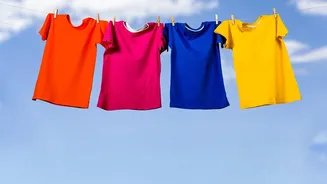
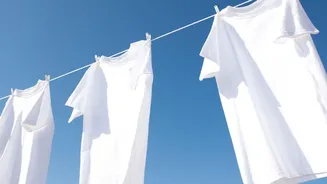
When a care label says 'line-dry', it means you should hang the damp garment on a clothesline or drying rack to let it air dry. Crucially, this happens after the washing machine's spin cycle has removed most of the excess water, or after you have gently
wrung the water out. This method is perfect for sturdy fabrics that can handle their own weight without distortion. Think of your everyday cotton kurtas, jeans, durable polyester blends, and bed linens. Giving them a good shake before hanging helps to minimise wrinkles and stiffness. For shirts, it's often best to pin them by the bottom hem to avoid creating dents on the shoulders from the clothespins.
Decoding the Drip-Dry Method
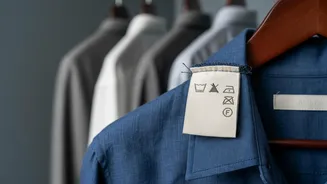
The instruction 'drip-dry' requires a completely different approach. It means you should hang the garment while it is still soaking wet, without any wringing or spinning. The item is hung, often on a hanger, and left to dry with the water dripping out naturally. The purpose of this method is to protect extremely delicate or easily wrinkled fabrics from the stress of wringing or the high-speed agitation of a spin cycle. The weight of the water gently pulls the fabric downwards, which can actually help in removing creases and ensuring the garment dries in its intended shape. This is why it’s often recommended for fabrics that are prone to wrinkling or distortion.
Why the Difference is Crucial
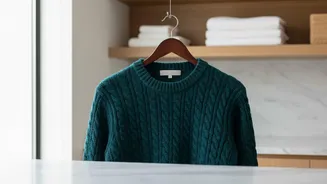
Using these terms interchangeably can lead to laundry mishaps. If you wring out and line-dry a delicate rayon blouse that calls for drip-drying, you risk setting deep wrinkles or even damaging the fibres. Conversely, if you drip-dry a heavy woollen sweater that should be dried flat, the immense weight of the water can stretch it out of shape permanently. The instructions are designed to respect the fabric's structure when it's at its most vulnerable—when wet. Drip-drying is for items that need gravity's gentle pull, while line-drying is for more robust materials that have already had the bulk of the water removed. Ignoring the label is a gamble with your favourite clothes.
A Quick Fabric Guide
To make it simpler, here is a general guide to which fabrics suit each method. For drip-drying, think of delicate synthetics, rayon, and some silks or lightweight knits that lose their shape easily. These materials can be damaged by the force of a spin cycle. For standard line-drying, you can confidently hang most of your cottons, linens, and sturdy synthetics like polyester. However, always remember the golden rule: the care label on the garment is the ultimate authority. For very heavy items like wool or cashmere sweaters, neither method is ideal; the label will almost always instruct you to 'dry flat' to prevent any stretching at all.
Best Practices for Air-Drying Success
Regardless of the method, a few tips can improve your results. To prevent colours from fading, try to dry bright or dark clothes in the shade or turn them inside out. Ensure there's good air circulation, especially when drying indoors, by opening a window or using a fan. When drip-drying inside, place a towel or a basin underneath to catch the water. Using good quality, non-staining pegs or smooth hangers can also prevent marks and snags on your clothes. A quick shake before hanging and after drying can make clothes feel softer and less stiff.