




A Land Reborn and Repainted
After months of harsh summer sun, the first monsoon showers signal a dramatic rebirth. Dust that has settled on every surface is washed away, instantly revealing the true colours underneath. This is the most visible change: a world that seemed muted and
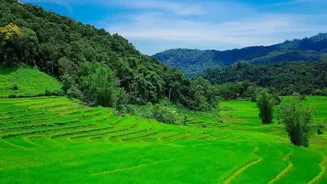
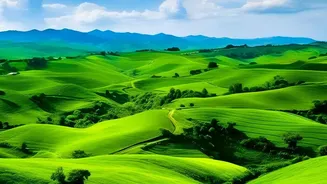
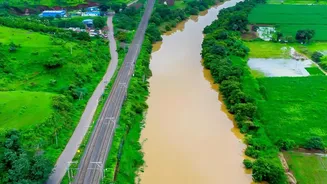
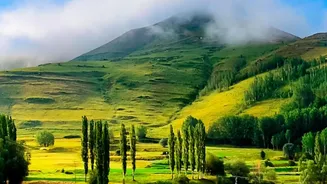
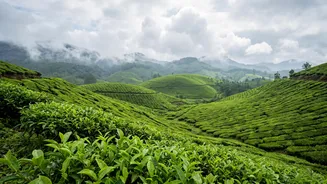
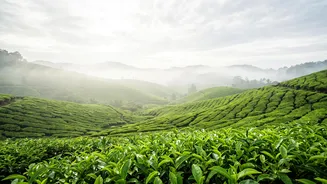
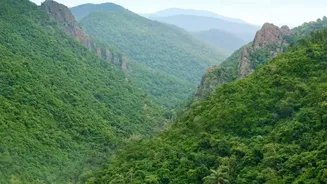
pale suddenly bursts with life. For photographers, this means the landscape offers a completely new palette. The parched earth turns a rich, dark brown, and every leaf and blade of grass radiates a vibrant green. Places like the tea gardens of Munnar or the rolling hills of Lonavala, which can look weary in May, become lush, emerald carpets by July. This fresh, clean environment is the foundational layer of the monsoon's photographic magic, providing a vivid canvas before any other atmospheric effects come into play.
Nature's Giant Softbox
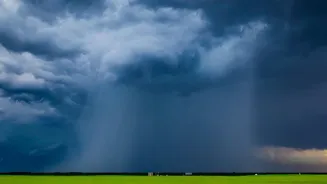
One of the biggest secrets to great photography is understanding light, and the monsoon completely alters it. The thick blanket of clouds acts like a giant softbox, diffusing the harsh Indian sun. Instead of strong, direct sunlight that creates deep, dark shadows and bright, blown-out highlights, the light becomes soft and even. This diffused light is incredibly flattering for landscapes. It wraps gently around hills and trees, allowing a camera to capture detail in both the brightest and darkest parts of the scene without losing information. Harsh midday shadows disappear, meaning photographers can shoot for longer periods throughout the day, not just during the golden hours of sunrise and sunset. This soft, consistent lighting is key to achieving that moody, atmospheric look that defines monsoon photography.
Colours That Pop
It’s not your imagination—colours genuinely become more saturated during the monsoon. There are two main reasons for this. First, as mentioned, the rain washes away the dust, leaving foliage clean and vibrant. Second, wet surfaces reflect light differently, deepening their inherent colours and making them appear richer. The overcast, cool-toned light also plays a role. This bluish light enhances the greens and blues in the landscape, making them pop in a way they don't under the warm, yellow light of a clear day. This effect is especially noticeable in the dense forests of the Western Ghats or the verdant valleys of Meghalaya, where the sheer intensity of the green can feel almost surreal.
The Magic of Mist and Mood
Fog and mist are defining features of the monsoon in hilly regions, and they are a photographer's best friend for creating mood and depth. Mist simplifies a busy scene by obscuring distant elements, forcing the viewer's eye to focus on the main subject. It creates a sense of mystery and drama, making familiar landscapes feel otherworldly. In places like Coorg or Mahabaleshwar, fog can roll through a valley, constantly changing the composition and revealing and hiding parts of the landscape. This allows photographers to create layered images, with a clear foreground, a misty middle ground, and an obscured background, adding a powerful sense of scale and atmosphere that is difficult to replicate in clear weather.
Water in Powerful Motion
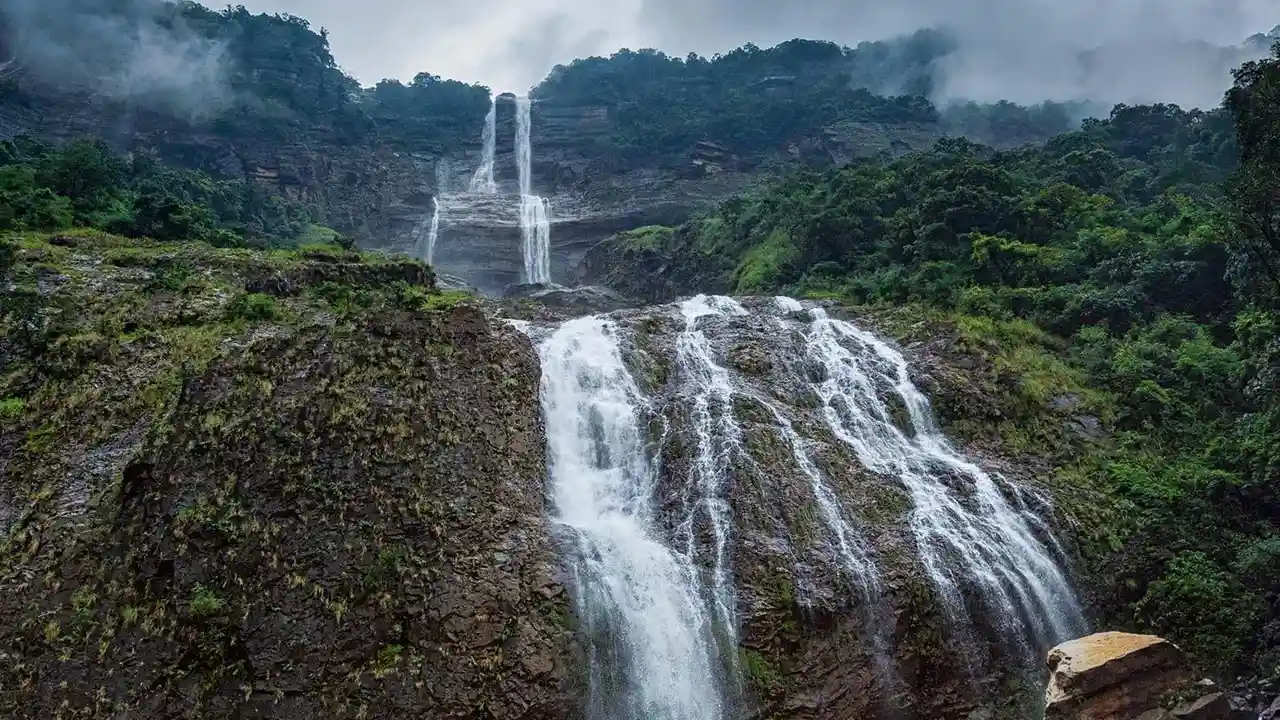
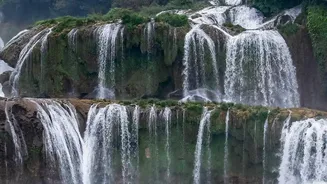
Of course, the monsoon's most dynamic gift is water itself. Waterfalls that are mere trickles in the summer become roaring torrents, creating powerful and compelling subjects. From the spectacular Jog Falls in Karnataka to the countless seasonal cascades that appear in the Himalayas, water in motion is a key visual theme. The soft, diffused light of the monsoon is perfect for capturing this motion. Photographers can use a slower shutter speed—a technique known as long exposure—to transform the chaotic flow of water into a smooth, silky curtain. This is easier to do in the low light of a cloudy day, as bright sun would overexpose the image. The result is a beautiful contrast between the sharp, static rocks and the soft, flowing water, a signature look of monsoon waterfall photography.