




A Monsoon Ritual
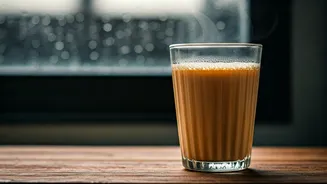
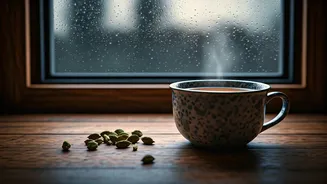
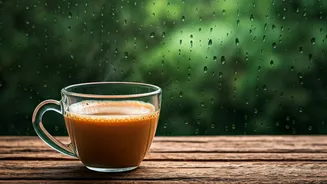
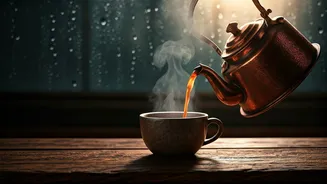
In India, the connection between rain and chai is more than just a preference; it’s a cultural institution. As the monsoon arrives, the call for ‘chai-pakora’ echoes in homes and street-side stalls alike. The ritual is a sensory symphony. The sharp, spicy
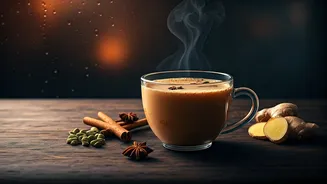
aroma of freshly grated ginger hitting boiling water, the fragrant cloud of tea leaves and milk, the gentle clinking of a steel spoon against a glass. It’s a multi-sensory experience that signals a pause, a moment to slow down and watch the world get washed clean. This isn't just about quenching thirst. It's a social glue. Families gather in the balcony, friends huddle under the awning of a tapri, and colleagues take a break from work, all united by a shared cup. The conversation flows as easily as the rain, lubricated by the warmth of the tea. It transforms the gloom of a cloudy day into an opportunity for connection and cosy contemplation.
The Soothing Science of Adrak
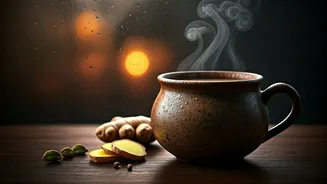
Beyond the cultural comfort, there’s a practical, almost scientific reason why ginger chai feels so right during the monsoon. Ginger, or ‘adrak’, is a cornerstone of Ayurvedic and home remedies, celebrated for its warming properties. It contains compounds like gingerol and shogaol, which create a sensation of warmth from within, combating the damp chill that can seep into your bones on a rainy day. Furthermore, the monsoon season is often associated with a sluggish digestive system. The humidity can make us feel lethargic, and our appetite can wane. Ginger is a well-known digestive aid, helping to soothe the stomach and stimulate digestion. It also has potent anti-inflammatory and antioxidant properties, making it a powerful ingredient to help ward off the common colds and coughs that often accompany the change in weather. In this sense, a cup of ginger chai isn't just comforting; it's a small act of self-care, a delicious way to support your body's well-being.
A Uniquely Indian Invention
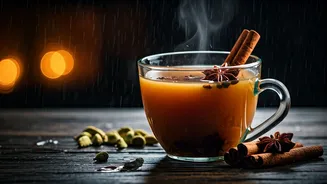
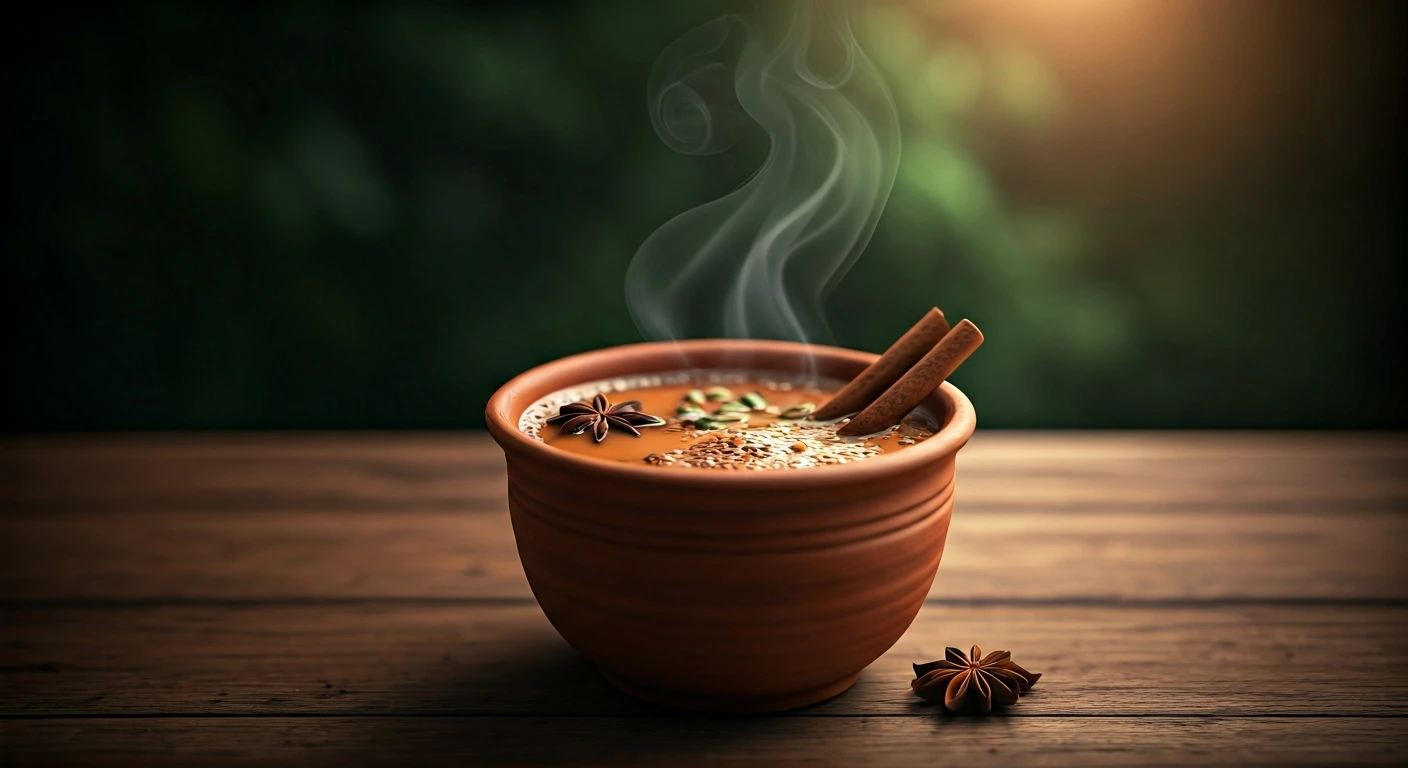
While tea was introduced to India by the British for commercial cultivation, the way we drink it today is a distinctly Indian story. The British drank their tea black, perhaps with a splash of milk and a bit of sugar. But Indians took this colonial import and made it entirely their own, transforming it into the spiced, milky, sweet concoction we know as chai. The addition of spices, or ‘masala’, was a stroke of genius, turning a simple beverage into a complex and flavourful experience. Ginger was one of the first and most fundamental additions. Its pungent heat cuts through the richness of the milk and balances the bitterness of the tea leaves. Each region, and indeed each family, has its own unique recipe, with variations including cardamom, cloves, cinnamon, and black pepper. But adrak chai remains the undisputed classic, the foundational brew upon which other masala chais are built. It represents a history of adaptation and innovation, a perfect metaphor for Indian culture itself.
Crafting the Perfect Cup
Making a truly great cup of ginger chai is an art, but one that is easy to master. The secret lies in the quality of the ingredients and the technique. Always use fresh ginger, either grated or crushed in a mortar and pestle to release its essential oils and potent flavour. Don't just steep the tea; let it boil. The process, known as ‘brewing’ or ‘kadhaana’, is crucial for extracting the maximum flavour from both the tea leaves and the ginger. A good rule of thumb is to first boil water with the crushed ginger and any other spices. Let the flavours infuse for a minute or two before adding the tea leaves. Once the tea has imparted its colour and strength, add the milk and bring it back to a rolling boil. Finally, add sugar to your liking, strain, and serve hot. This method ensures that the ginger’s sharp notes are fully expressed, creating a brew that is robust, spicy, and deeply satisfying.