



A Month of Contradictions
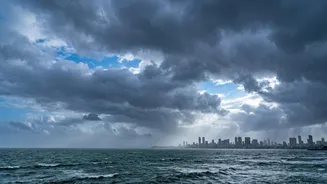
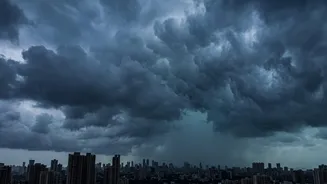
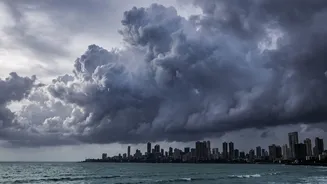
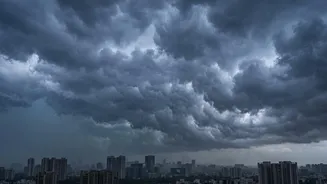
This August has been a story of two opposing monsoons for Mumbai. After a July that featured several spells of extremely heavy rainfall, August began with a forecast for below-normal precipitation, influenced by a strengthening El Niño. Indeed, parts
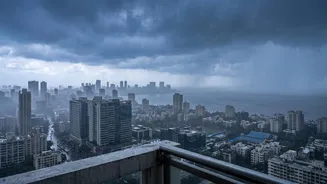
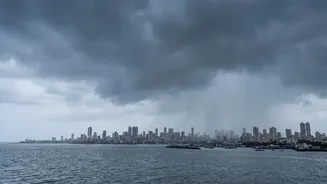
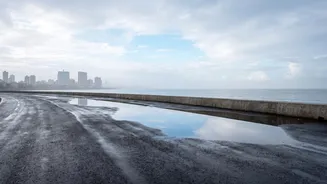
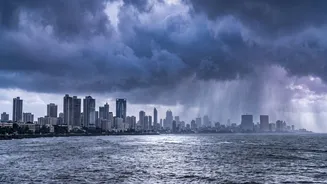
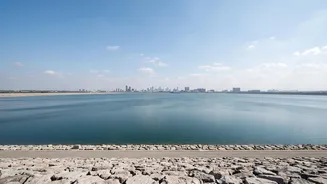
of the month saw subdued rainfall activity, leading to concerns over the city's water supply levels. However, the month has also been punctuated by intense, albeit brief, deluges that have tested the city's drainage and transport systems. Current forecasts for the last week of August show a pattern of persistent light rain and high humidity rather than a sustained, heavy downpour. This oscillation between too little and too much rain within a single month has left residents and experts questioning the monsoon's predictability.
The New 'Normal': Fewer Rainy Days, More Intense Rain
Climate experts and meteorologists point to a developing pattern that is becoming the new signature of Mumbai's monsoon: rainfall is becoming more concentrated. Instead of a consistent, moderate drizzle over several days, the trend is towards long dry or near-dry periods broken by sudden, aggressive downpours. A recent analysis noted that a warmer atmosphere and rapidly heating oceans are making rainfall events shorter but much more intense. This phenomenon explains why the city can experience flood-like conditions one week and a rainfall deficit the next. This shift means the total volume of rain in a month might look average on paper, but the experience on the ground is one of extremes, overwhelming urban infrastructure that was designed for more evenly distributed rainfall.
Climate Change's Clear Fingerprint
While weather patterns like El Niño influence the monsoon's arrival and overall strength, experts increasingly believe that climate change is fundamentally altering its behaviour. The dramatic swings seen in Mumbai are a classic symptom of a warming world. The Arabian Sea is heating up, feeding more moisture into weather systems, which then dump that moisture in intense bursts over the coast. Long-term data supports this; studies have shown that average monsoon rainfall in Mumbai has increased significantly over the past two decades compared to the end of the 20th century. Climate projections suggest this trend is set to continue, with coastal Maharashtra expected to see an increase in the number of heavy rainfall days in the future.
Life Between Deluge and Drought
For Mumbaikars, these extremes have tangible consequences. Intense rainfall spells, even if short, lead to the familiar chaos of waterlogged streets, crippled local train services, and traffic gridlock. These floods are not just an inconvenience; they represent a significant public health threat, with studies linking rainfall-driven flooding to a notable increase in mortality, particularly among the city's most vulnerable populations. On the other side of the coin, prolonged dry spells raise anxieties about the water levels in the lakes that supply the city. This volatility forces a dual concern: preparing for flash floods today while worrying about potential water cuts tomorrow. It's a challenging new reality that demands a more resilient and adaptable approach to city living.