
From One-Size-Fits-All to a Perfect Fit
Many of us treat grains like they're all the same, defaulting to a simple boil-and-drain method. While that works, it's like using a single screwdriver for every type of screw—you might get the job done, but it won't be optimal. The texture of your final
dish, whether it’s a hearty grain salad, a fluffy side, or a comforting porridge, depends heavily on the cooking technique. By understanding a few key methods, you can control whether your grains are separate and distinct, delightfully chewy, or luxuriously creamy. Shifting your focus from just the grain to the desired outcome of the dish is a simple change that elevates your cooking from basic to brilliant. It’s about seeing the cooking method as your most important tool for achieving the perfect texture every single time.
The Absorption Method for Fluffy Grains
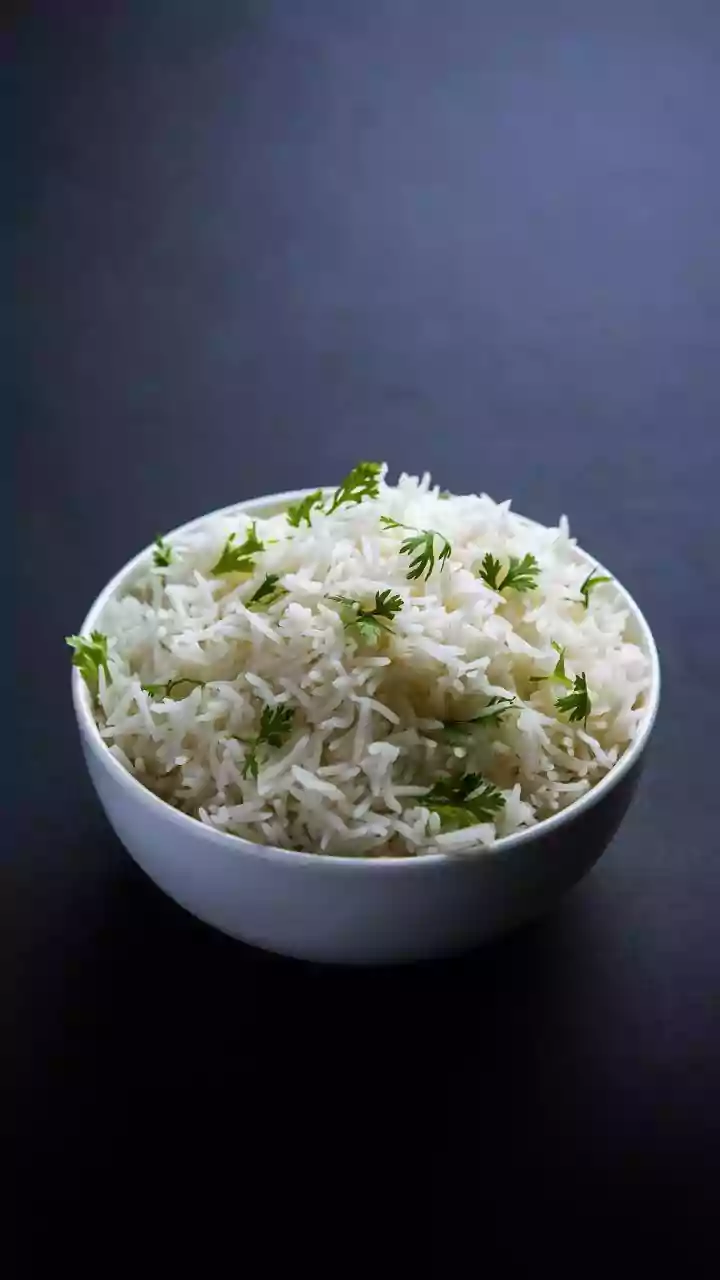
Often called the pilaf method, this technique is your key to perfectly separate, fluffy grains. It begins by sautéing aromatics like onions or garlic in fat, then toasting the dry grain for a minute or two to enhance its nutty flavor. Finally, a precise amount of hot liquid is added, the pot is covered, and the heat is reduced to a gentle simmer until the liquid is fully absorbed. This method is ideal for long-grain rice like basmati, quinoa, and freekeh. Because the liquid is completely absorbed, all the flavor from your broth and aromatics stays in the grain. The initial toasting in fat also helps keep each grain distinct, preventing the stickiness that can ruin a good grain salad or a simple side dish.
The Pasta Method for a Chewy Bite
Think of this as boiling pasta, but for grains. You cook the grains in a generous amount of salted, boiling water until they reach your desired tenderness, and then you drain off the excess water. This technique is particularly effective for heartier, chewier grains like farro, wheat berries, and barley. Cooking them in abundant water allows them to move freely, cook evenly, and shed some of their surface starch. The result is a wonderfully chewy texture without any gumminess, making it the perfect preparation for grain salads where you want each kernel to stand on its own. It's a forgiving method, as you can simply taste the grains as they cook and pull them off the heat when they're perfectly al dente.
The Creamy Method for Rich Porridge and Risotto
When you want a creamy, comforting texture, this is the method to use. The technique relies on releasing the grain's natural starches to create a velvety consistency. This can be achieved by stirring the grains constantly while slowly adding liquid, as in a classic risotto made with Arborio rice. A similar principle applies to making porridge. For creamy millet, for instance, using more water and stirring frequently encourages the grains to break down and become porridge-like. Toasting the grains first can add a layer of nutty flavor, while grinding them slightly before cooking can speed up the process and enhance creaminess even further. This approach is perfect for oats, millet, and of course, risotto rice, transforming them into luxurious and satisfying dishes.
Steaming for Delicate and Aromatic Results
Steaming is a gentler cooking method that yields light, delicate results. It's the traditional and superior way to prepare couscous, which is not meant to be boiled. When steamed properly, often in multiple stages, the tiny grains swell and become infused with the aromas of the broth or stew simmering below them, resulting in a beautifully flavored and fluffy texture. Instant couscous can also be improved by avoiding the simple boil-and-cover method; instead, pouring boiling water over it in a shallow dish allows the grains to expand without being weighed down, making them significantly fluffier. Steaming is also the best way to reheat leftover rice, as it reintroduces moisture gently without turning the grains to mush.