




The Living Root Bridges, Meghalaya
Deep in the misty hills of Meghalaya, the Khasi and Jaintia tribes have perfected a form of natural architecture that becomes even more magical during the monsoon. For centuries, they have guided the roots of rubber trees across rivers and streams to
create 'living' bridges that grow stronger with time. The most famous of these is the Double Decker Living Root Bridge in Nongriat village, a stunning two-tiered structure that feels like something from a fantasy world. The trek to Nongriat is a rewarding journey through lush forests, passing smaller root bridges and crystal-clear streams. During the monsoon, the surrounding waterfalls, including the nearby Nohkalikai Falls, are at their most powerful, and the entire landscape is shrouded in an ethereal mist. These bridges are a testament to sustainable engineering, withstanding the heavy rains that can often damage modern structures.
Dudhsagar Falls, Goa
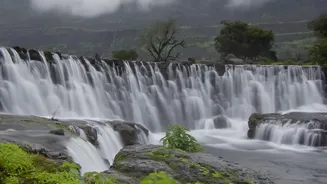
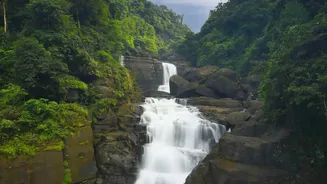
Translating to 'Sea of Milk', Dudhsagar Falls lives up to its name during the monsoon when it transforms into a thunderous, four-tiered cascade of white water. Plunging from a height of over 310 meters, it is one of India's tallest waterfalls. Located on the border of Goa and Karnataka within the Bhagwan Mahavir Wildlife Sanctuary, the falls are a spectacular sight. While jeep safaris are a popular way to reach the falls, the trek offers a more immersive experience. The trail from Kulem takes you through dense jungle, across railway tracks, and over small streams, with the roar of the falls growing louder with every step. The journey through the rain-soaked forest, filled with the scent of wet earth and vibrant green foliage, is as memorable as the destination itself. It's a classic monsoon adventure that showcases the raw power and beauty of the Western Ghats.
Valley of Flowers, Uttarakhand
A UNESCO World Heritage Site, the Valley of Flowers National Park is a high-altitude Himalayan valley that bursts into a vibrant carpet of alpine flowers during the monsoon. While many Himalayan treks are closed during this season, the trail to the valley is at its absolute best from late July to August. This is when hundreds of species of flowers, including the rare Brahma Kamal and blue poppy, are in full bloom. The trek begins from the village of Ghangaria and winds through breathtaking landscapes of misty peaks, lush meadows, and cascading streams. The moderate trail makes it accessible to beginners with a good level of fitness. The combination of the vibrant floral display against a backdrop of snow-capped mountains creates a truly enchanting and unforgettable experience for nature lovers and photographers.
Malshej Ghat, Maharashtra
A favourite weekend getaway from Mumbai and Pune, Malshej Ghat in the Western Ghats becomes a paradise during the monsoon. As the rains arrive, the rugged hillsides come alive with countless waterfalls that cascade directly onto the winding roads. The entire region is covered in a thick blanket of mist, creating a cool and dramatic atmosphere. While driving through the ghat is an experience in itself, several trekking trails allow for deeper exploration. You can hike to historic forts like Harishchandragad or simply walk along the ghats to enjoy the waterfalls up close. The area is also famous for the migratory flamingos that visit the Pimpalgaon Joga Dam during this season. One of the most prominent sights is the Kalu Waterfall, which becomes a roaring cascade during peak monsoon.
Essential Monsoon Trekking Tips
Trekking in the rain requires extra preparation to stay safe and comfortable. First, invest in proper footwear with a deep grip to handle slippery trails; avoid shoes that are fully waterproof as they can trap sweat and water. Wear quick-drying synthetic clothes instead of cotton, which stays wet and can make you cold. A poncho is often better than a rain jacket as it provides more ventilation and covers your backpack. Always pack your electronics and a spare set of clothes in waterproof dry bags or plastic bags. Use a trekking pole for better balance on uneven and slick terrain. Before you leave, check the weather forecast and local conditions, as some trails may be closed due to heavy rain or landslides. Finally, always inform someone about your itinerary and trek with a group or a certified guide whenever possible.