






Recognize the Signs of an Emergency
It is not always obvious when a pet needs immediate medical attention. Some symptoms are clear signs of a crisis, while others are more subtle. Any difficulty breathing, such as wheezing, gasping, or choking, is a critical emergency. Other urgent signs include
uncontrolled bleeding, seizures or loss of consciousness, inability to walk or stand, and a bloated or swollen abdomen. Persistent vomiting or diarrhea, especially with blood, also requires an immediate trip to the vet, as it can quickly lead to dehydration. Similarly, if your pet is unable to urinate or defecate, or shows obvious signs of severe pain like whining or hiding, it's time to go. Trust your instincts; if something seems seriously wrong, it is always better to seek professional advice.
Identify Your Emergency Vets
Don’t wait for a crisis to search for an animal hospital. Your first step is to have the contact information for your regular veterinarian readily available. However, most emergencies seem to happen after hours or on weekends. Research and identify the nearest 24/7 emergency veterinary hospitals in your area. It is wise to have at least two options. Save their names, phone numbers, and addresses in your phone and also on a physical piece of paper. When an emergency occurs, call the clinic ahead of time to let them know you are on your way. This allows the staff to prepare for your arrival and can save precious time.
Map Your Route—And Practice It
Once you have identified your primary and backup emergency clinics, the next step is to plan your travel. Use a mapping service to determine the fastest route from your home to each location at different times of the day, as traffic patterns can vary significantly. Plan a backup route as well in case of unexpected road closures or heavy traffic. Even better, do a dry run. The drive will feel much less stressful when you are not in a state of panic and your pet is not in distress. Familiarizing yourself with the route and the clinic's location can help you remain calm and focused during a real emergency. This simple act of preparation ensures you are not fumbling for directions when every minute matters.
Assemble a Pet Emergency Kit
A well-stocked emergency kit is crucial for providing immediate care and ensuring a smooth transition to the vet. This “go-bag” should be kept in an easily accessible place. Include a copy of your pet’s medical records, including vaccination history and any current medications. Pack a leash or a secure carrier, a week's worth of your pet's food, bottled water, and collapsible bowls. A basic pet first-aid kit should contain gauze, non-stick bandages, antiseptic wipes, and a digital thermometer. It's also helpful to have the phone number for an animal poison control hotline. Having these items ready means you can grab the bag and go without losing time searching for supplies.
Keep Calm and Transport Safely
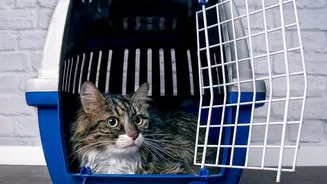
In a stressful situation, your pet will pick up on your anxiety. Staying as calm as possible helps keep your pet calm, too. When moving an injured or sick animal, always prioritize safety. A scared and painful pet may bite or scratch, so approach with caution. For cats and small dogs, a secure carrier is the safest way to travel. For larger dogs who cannot walk, you may need a helper to create a makeshift stretcher using a blanket or towel, being careful to support their head and rear. During the drive, securing the carrier or having someone sit with your pet can prevent further injury and provide comfort.