



The Rise of the 30-Minute Meal
The most visible agent of this change is the smartphone. Food delivery platforms have become an integral part of urban life, transforming a luxury into a daily utility. The market for online food delivery in India was valued at over $45 billion in 2024,
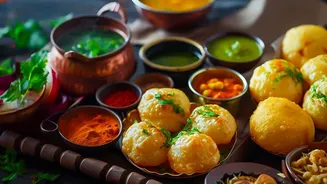
with projections showing explosive growth. This surge is fueled by convenience, variety, and the sheer time saved. For millions of young professionals in bustling metros, juggling long work hours and commutes, these apps offer a lifeline—a hot meal without the hassle of shopping, chopping, and cleaning. The growth of this sector has also given rise to an entire ecosystem of cloud kitchens, or delivery-only restaurants, which are projected to become a more than $3 billion industry by 2027. These kitchens are designed for speed and efficiency, further embedding the culture of instant gratification into our dietary habits.
The New Pantry: Packaged and Processed
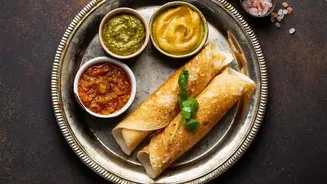
Beyond delivery, convenience has also entered the grocery basket. The market for Ready-to-Eat (RTE) and Ready-to-Cook (RTC) foods is expanding rapidly, expected to grow significantly in the coming years. Supermarket aisles are now filled with everything from packaged idli-dosa batter and frozen parathas to instant poha and pre-made curry pastes. This trend is driven by a desire to reduce meal preparation time. Busy households, particularly those with dual incomes, find these products offer a middle path between a fully home-cooked meal and a takeaway order. They provide the semblance of cooking without the time-consuming groundwork, allowing for a quick, semi-homemade meal on a weeknight.
Drivers of the Shift: Urbanisation and Changing Homes
This culinary evolution is rooted in deep demographic changes. India's rapid urbanization means more people are living in cities, often far from the multi-generational family units that upheld traditional cooking practices. Coupled with this is the significant rise in the number of women entering and remaining in the workforce. Historically, women have borne the overwhelming burden of household chores, including cooking. While this expectation often persists, the reality of a demanding career makes spending hours in the kitchen unsustainable. Convenience foods and delivery services, therefore, are not just a choice but a necessary adaptation to a new economic and social reality for many families.
The Hidden Costs of Convenience
However, this convenience comes with a cost. Health experts consistently warn about the downsides of over-reliance on processed and restaurant-prepared foods. These meals are often higher in sodium, unhealthy fats, and preservatives, while lacking in essential micronutrients. The rising consumption of ultra-processed foods (UPFs) in India is increasingly linked to a surge in non-communicable diseases like diabetes, obesity, and heart conditions. Beyond physical health, there is a cultural cost. The art of passing down family recipes and the social bonding that happens in a shared kitchen are slowly eroding. Culinary skills that were once considered essential are at risk of becoming a niche hobby rather than a life skill.
Tradition Adapts, Not Disappears
But tradition is not so easily erased; instead, it is adapting. The market is responding with healthier, more 'authentic' convenience options. Start-ups and established brands are offering organic, preservative-free ready-to-cook meal kits and traditional snacks in modern, user-friendly packaging. You can now find 'grandma's special' masala blends on a supermarket shelf or order artisanal, home-style thalis from a delivery-only kitchen. This reflects a desire to hold on to the tastes and traditions of home, even when time is scarce. It suggests that while the 'how' of our eating is changing, the 'what' and 'why'—the craving for familiar flavours and nourishing food—remain deeply ingrained.