






The Antibiotic Balancing Act
Antibiotics are powerful, life-saving drugs designed to eliminate harmful bacteria that cause infections. However, they often act as a broad-spectrum tool, wiping out not just the bad bacteria but also the beneficial microorganisms living in your gut.
This community, known as the gut microbiome, plays a crucial role in everything from digestion to immune support. When this delicate balance is disrupted, it can lead to common side effects like diarrhea and create an environment where less desirable microbes can take over. For years, the focus has been on repopulating the gut with good bacteria post-treatment, but new evidence shows what you eat during treatment matters significantly.
A Sour Turn for Sugary Diets
A groundbreaking study published in the journal Nature on September 30, 2026, has shed new light on the interplay between diet and antibiotics. Researchers from several major institutions tracked the diets of hospitalized patients undergoing antibiotic treatment and made a surprising discovery. They found that high sugar consumption appeared to amplify the damage antibiotics did to the gut microbiome. For every 100 grams of sugar consumed in the 48 hours before treatment, the diversity of helpful gut bacteria dropped by an additional 21%. This is roughly the amount of sugar in two cans of soda or a large milkshake. This loss of diversity can leave the gut more vulnerable to pathogens.
How Sugar Fuels Unwanted Guests
So, what exactly is happening in the gut? The research suggests that simple sugars act as a fuel source for specific, often harmful, microbes that survive the antibiotic onslaught. The study identified that the combination of a sugary diet and antibiotics led to a significant increase in the bacteria Enterococcus faecium. This species is notorious for its link to hard-to-treat hospital infections. Follow-up experiments in mice confirmed this pattern, showing that a high-sucrose diet combined with an antibiotic led to a more than 33-fold increase in the Enterococcus population by the sixth day. Essentially, while antibiotics clear the field, sugar provides a feast for the potentially harmful survivors, allowing them to multiply rapidly.
The Link to Yeast Overgrowth
The problem isn't limited to bacteria. It's long been observed anecdotally that antibiotic use can sometimes lead to yeast infections, such as those caused by Candida. This is because antibiotics can kill off the beneficial bacteria that normally keep yeast populations in check. Sugar is a primary fuel source for yeast like Candida. Consuming high amounts of sugar creates an environment where yeast can thrive and multiply, especially when its bacterial competitors have been removed by medication. While a diet change alone isn't considered a cure for an active yeast infection, limiting sugar is often recommended to help manage the conditions that allow it to flourish.
What Should You Eat Instead?
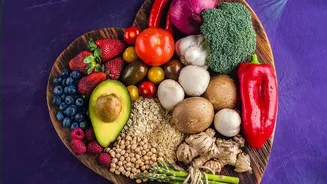
While researchers note it's premature to make a universal recommendation for everyone on antibiotics to completely avoid sugar, they also suggest that limiting it is a simple, low-risk strategy to support your gut. Instead of reaching for sugary drinks, processed snacks, and sweets, focus on a diet that nurtures a healthy microbiome. This includes high-fiber foods like fruits, vegetables, and whole grains, which act as prebiotics—food for your good bacteria. Fermented foods like yogurt and kefir contain probiotics, the beneficial bacteria themselves. Staying hydrated and avoiding other inflammatory items like heavily processed foods can also help support your body's recovery. The goal is to create an environment where beneficial microbes can survive and repopulate, rather than one that favors the growth of opportunistic pathogens.