

That dream of a rich, bold, café-quality coffee at home can be elusive. Often, the secret isn't in the machine, but in the beans. Choosing the right coffee is the first and most crucial step to unlocking a truly satisfying home-brewed flavour.
The 'Espresso Roast' Myth
First, let's
clear up a common point of confusion. The term 'espresso roast' isn't a regulated standard; it's a label roasters use, often to describe a dark roast profile they believe works well for espresso. This usually means beans roasted to be bold, low in acidity, and capable of producing a heavy body. While these are great starting points, they are not your only option. Any coffee can be brewed as espresso, and your personal taste should be the ultimate guide. Don't feel locked into a bag just because it has 'espresso' written on it.
Choose Your Roast Profile
The roast level is arguably the most significant factor influencing your coffee's final taste. For a 'bold' flavour, medium-dark and dark roasts are generally the best place to start. These roasts develop deeper notes of chocolate, caramel, and nuts while reducing the bright, fruity acidity found in lighter roasts. A medium roast offers a balance of sweetness and origin character, making it a versatile and popular choice for home espresso. A dark roast will give you that classic, intense, bittersweet flavour that stands up well in milk drinks like lattes and cappuccinos.
Arabica vs. Robusta: A Tale of Two Beans
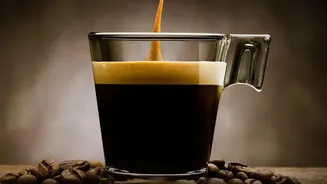
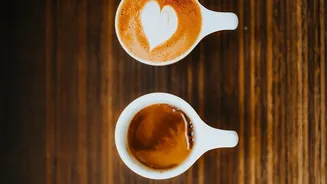
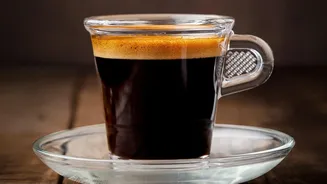
Most coffee comes from two main species: Arabica and Robusta. Arabica beans are prized for their complex, aromatic, and sweeter flavour profiles, with notes ranging from fruity and floral to chocolatey. Robusta, on the other hand, is known for its bold, earthy flavour, higher caffeine content (often double that of Arabica), and its ability to produce a thick, stable crema—the golden foam on top of an espresso shot. While specialty coffee often champions 100% Arabica, many traditional Italian espresso blends include a percentage of Robusta (often 10-30%) to add body, intensity, and that signature crema. If you enjoy a powerful, classic espresso, don't shy away from a blend that includes Robusta.
Blends vs. Single Origin
When you buy coffee, you'll see bags labelled as either a 'blend' or 'single origin'. Single-origin coffees come from one specific farm or region and offer a unique, distinct flavour profile that reflects that place. They can be exciting but sometimes less consistent. Blends, which combine coffees from different origins, are often crafted specifically for espresso. Roasters create blends to achieve a balanced, consistent, and well-rounded flavour that performs reliably all year round. For home brewers, especially those who enjoy their coffee with milk, a good blend is often a more forgiving and dependable choice.
Freshness Is Everything
No matter what roast or type of bean you choose, freshness is non-negotiable for great espresso. Coffee is a fresh product that loses its flavour and aroma over time as volatile compounds escape. Look for bags with a 'roasted on' date, not just a 'best before' date. Ideally, you want to use beans between 5 and 30 days after roasting. Beans that are too fresh might still be releasing CO2, which can lead to inconsistent shots. Beans that are too old will taste flat and produce a thin, disappointing crema. Always buy whole beans and grind them just before you brew to preserve as much flavour as possible.