
A Natural Treasure Reawakened
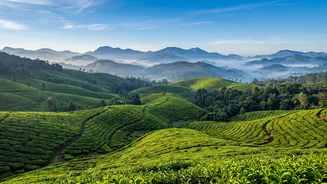
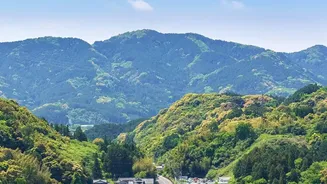
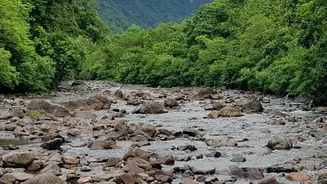
Nestled in the Kasmar block of Bokaro district, about 50 kilometres from the main city, Sevati Valley (also spelled Sewati) has long been a quiet gift of nature. Situated along the border of Jharkhand and West Bengal, it is a region of rolling hills and serene
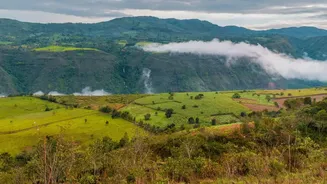
greenery. While it has been on the state's tourism map, it’s the recent monsoon rains that have truly made it a star attraction. The valley transforms during this season, with its streams and waterfalls coming to life, creating a spectacular landscape that is attracting a growing number of visitors from nearby towns and even across the state border.
The Magic of the Monsoon
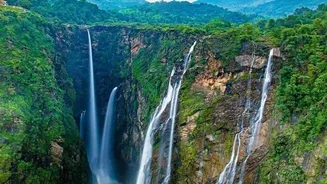
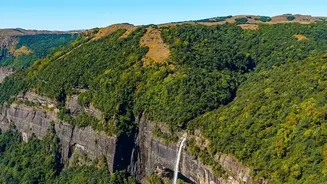
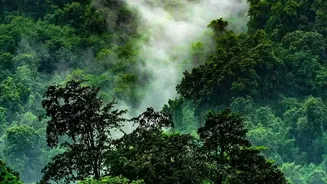
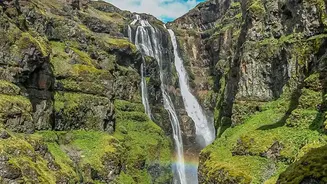
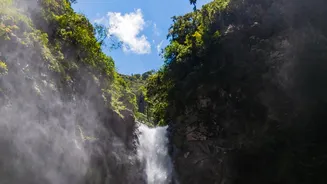
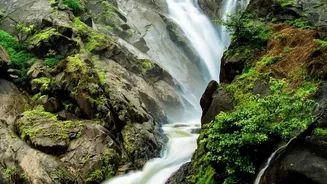
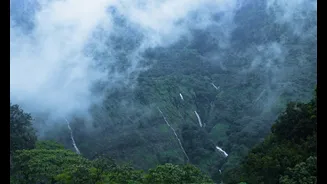
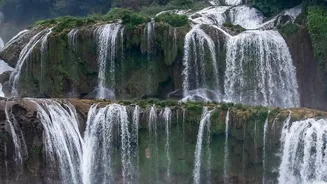
The primary allure of Sevati Valley is its monsoon makeover. What might be a quiet, dry valley for much of the year becomes a vibrant spectacle from July to September. Steady rains feed the numerous streams, culminating in a magnificent waterfall that cascades down the green hills. This white cascade against the dense, dark green foliage is the valley's main draw, with visitors often stopping just to photograph the scene. The air becomes cool and misty, the hills are often shrouded in low-hanging clouds, and the entire landscape turns into a picturesque paradise perfect for those looking to escape the summer heat and witness nature in its full glory.
What to See and Do
The main activity in Sevati Valley during the monsoon is simply appreciating the stunning natural scenery. The central waterfall is the main focal point, and it has become a popular spot for selfies and photography. Beyond the waterfall, the hills of the valley are suitable for trekking, offering adventurous visitors a chance to explore the terrain and enjoy panoramic views. The area is also an excellent spot for a picnic with family and friends, providing a tranquil environment away from the city's hustle. Nature lovers will appreciate the pure air, the serene atmosphere, and the opportunity to capture beautiful views of the sunrise and sunset if they time their visit right.
Planning Your Trip
Sevati Valley is located approximately 49-50 km from the Bokaro district headquarters. The most convenient way to reach it is by road, using a private car or two-wheeler. The journey itself offers scenic views, especially as you get closer to the valley. The nearest major railway station is Bokaro Steel City, and the closest airport is Birsa Munda Airport in Ranchi, about 122 km away. From Bokaro city, visitors can hire local transport to reach the valley in the Kasmar block. While the destination is gaining popularity, visitors should be aware that infrastructure is still developing. Local leaders have called for better facilities to support tourism.
A Call for Responsible Tourism
The newfound popularity of Sevati Valley comes with a responsibility for both authorities and visitors. As more people flock to this natural wonder, there is a growing need for basic amenities like proper seating areas, sanitation facilities, and safety measures. Local residents hope that increased tourism will also bring livelihood opportunities. For visitors, it's crucial to practice responsible tourism. This means carrying your own water and snacks, wearing appropriate footwear for uneven and potentially slippery terrain, and, most importantly, leaving no trace behind. By not littering and respecting the natural environment, visitors can help ensure that Sevati Valley remains a pristine paradise for years to come.