




The Champion in Your Pantry
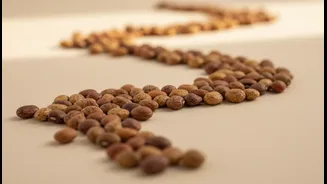
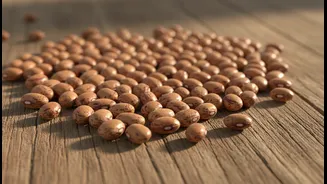
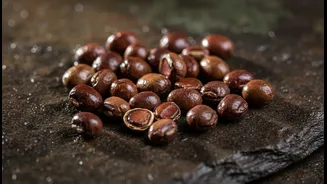
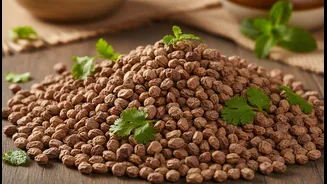
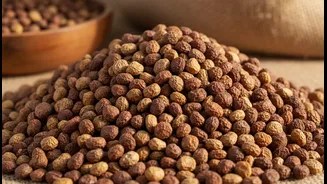
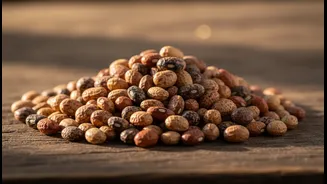
Meet the chickpea, or as it’s more affectionately known across India, chana. In its whole form, it’s a beloved snack, roasted and spiced. But its true superpower is revealed when it’s milled into flour: besan. This fine, yellow powder is the foundational
ingredient for an astonishing variety of foods that we consume daily. It’s the binder, the base, and the batter for countless culinary delights. While rice and wheat flour often get the spotlight, besan is the quiet workhorse of the Indian kitchen, a versatile champion that provides flavour, texture, and a healthy dose of protein without ever demanding praise. It's the hero we've always had, but rarely recognised.
A Culinary Chameleon
Think about the sheer range of snacks that owe their existence to besan. It’s the crispy coating on your favourite pakoras and bhajis. It’s the primary ingredient in savoury snacks like gathiya, fafda, and the countless varieties of bhujia and sev that fill every namkeen box. But its talent doesn’t end with fried foods. It transforms into the spongy, steamed magic of dhokla and khandvi. It forms the base of comforting dishes like kadhi and gatte ki sabzi. And it even crosses over into sweets, giving us the rich, crumbly perfection of besan ladoo and mysore pak. This incredible adaptability makes the chickpea a true culinary chameleon, able to shift its form and function to fit almost any recipe, making it arguably the most valuable player in the world of Indian snacks.
The Secret to Its 'Green' Power
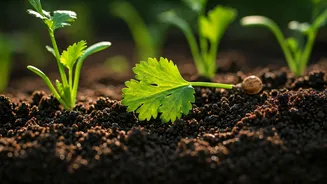
So, what makes this snack-master a “green hero”? The answer lies in the soil. The chickpea is a legume, a family of plants with a remarkable natural ability: nitrogen fixation. Most plants need nitrogen from the soil to grow, which often requires farmers to use synthetic nitrogen fertilisers. These fertilisers are energy-intensive to produce and can contribute to water pollution and greenhouse gas emissions. Chickpeas, however, do the job themselves. They host special bacteria on their roots that pull nitrogen directly from the atmosphere—which is 78% nitrogen—and convert it into a form the plant can use. This enriches the soil naturally, leaving behind valuable nitrogen for the next crop that is planted in the same field. In essence, chickpeas act as a tiny, self-sustaining fertiliser factory.
A Hero for India's Farmers
This natural fertilising ability makes the chickpea a farmer’s best friend. By planting chickpeas, farmers can reduce their reliance on costly chemical fertilisers, saving money and lessening their environmental impact. Furthermore, chana is a hardy crop, well-suited to India’s agricultural landscape. It is relatively drought-tolerant compared to other major crops, making it a lifeline for farmers in regions with limited water, particularly as a key rabi (winter) crop. By improving soil health and structure, a rotation with chickpeas can lead to better yields for subsequent crops like wheat or maize. It’s a key component of sustainable farming systems, helping to maintain the long-term health and productivity of the land that feeds us all.
Beyond Crunch and Flavour
Beyond its culinary and environmental credentials, the chickpea is also a nutritional powerhouse. As a plant-based source of protein and dietary fibre, it plays a crucial role in the Indian diet, especially for vegetarians. The protein keeps you feeling full and satisfied, while the fibre aids in digestion and helps regulate blood sugar levels. So, that bowl of roasted chana or that besan cheela isn't just a tasty treat; it’s a genuinely nutritious choice. It adds substance and health benefits to what might otherwise be considered simple indulgences, proving once again that this humble legume punches well above its weight in every category.