

The Meaning in the 'Mess'
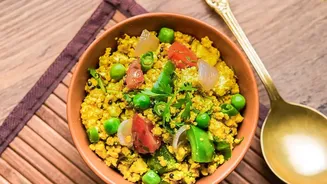
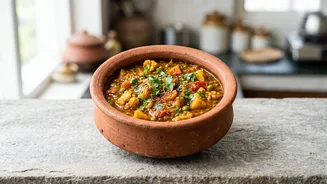
The name itself is a giveaway to its unique character. In Hindi and Gujarati, the word 'ghotala' translates to a 'scam' or a 'mess'. In this culinary context, it perfectly describes the dish's appearance and texture: a vibrant, mashed-up medley of ingredients
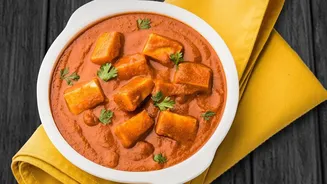
where everything is deliciously mixed together. It is the vegetarian counterpart to the famous 'Anda Ghotala' (egg ghotala) and was born from the same street food culture that values bold flavours and hearty satisfaction. Unlike the neat cubes of paneer you might find in a shahi paneer or the fine scramble of a simple bhurji, Ghotala is defined by its glorious, semi-mashed state, creating a texture that is both rustic and rich.
The Street Food Soul of Surat
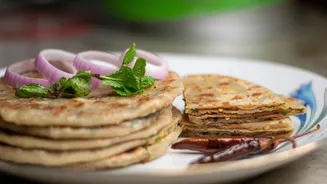
Paneer Ghotala is a proud export of Surat, a city in Gujarat renowned for its vibrant and inventive street food scene. It’s a dish that captures the spirit of Surti cuisine, which is unapologetically indulgent, often featuring generous amounts of butter and cheese. Served piping hot from large tawas (flat griddles) at late-night food stalls, it’s traditionally scooped up with buttery, toasted pav (soft bread rolls), much like its culinary cousin, Pav Bhaji. This street-side origin is key to its identity; it’s designed to be a quick, flavour-packed, and deeply satisfying meal.
Not Just Another Paneer Bhurji
At a glance, one might mistake Paneer Ghotala for Paneer Bhurji, as both involve scrambled paneer. However, the two are distinct in several fundamental ways. While a traditional bhurji often consists of crumbled paneer sautéed with onions, tomatoes, and basic spices, Ghotala is far more complex. The first major difference is the ingredient list. Paneer Ghotala frequently includes additions like capsicum, a generous amount of processed cheese, and sometimes even cream, creating a richer, gooier texture. Secondly, the spice profile is often bolder, with many recipes calling for Pav Bhaji masala, which lends a specific tangy and aromatic flavour that sets it apart from the garam masala-spiced bhurji. Finally, the texture of the paneer itself is different. Bhurji typically uses crumbled paneer. In contrast, many Ghotala preparations use grated paneer, and sometimes a mix of grated, crumbled, and even small cubed paneer, to create a multi-layered mouthfeel.
A Symphony of Textures
What truly makes Paneer Ghotala distinctive is the experience of eating it. The base is a flavourful onion-tomato masala, cooked down until it’s rich and fragrant. Into this 'mess', grated paneer is mixed and lightly mashed, allowing it to meld with the gravy rather than stand apart. The addition of grated cheese, which melts into the spicy gravy, introduces a creamy, savory element that balances the heat. Some vendors even top the dish with a chunk of butter that slowly melts over the top. This combination of soft, almost-melted paneer, a thick and spicy tomato-capsicum gravy, and the gooey richness of cheese creates a symphony of textures and flavours that is unique in the world of paneer curries. Every spoonful is a mix of spicy, tangy, and buttery notes.