





Your Natural Pest Control Toolkit
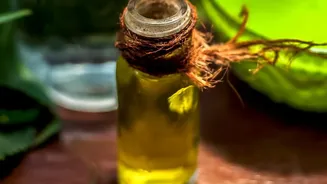
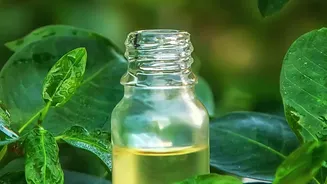
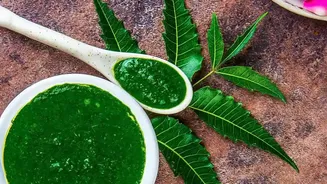
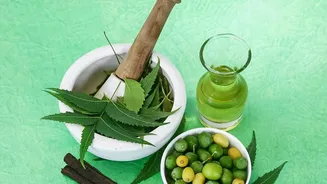
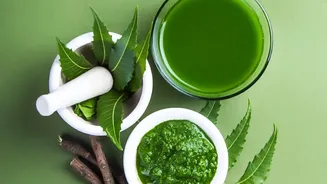
The magic of this solution lies in two simple ingredients: neem oil and mild soap. Neem oil is a vegetable oil pressed from the fruits and seeds of the neem tree (Azadirachta indica), which is native to the Indian subcontinent. It's not a fast-acting
poison; instead, it works by disrupting the life cycle of insects. Its active component, azadirachtin, acts as a repellent and antifeedant, and it can also interfere with insect hormones, preventing them from growing and reproducing. The soap is just as important. Since oil and water don't mix, the soap acts as an emulsifier, allowing the neem oil to disperse evenly in the water. A mild liquid soap, like castile soap, also has its own insecticidal properties, helping to break down the outer layer of soft-bodied pests.
The Perfect Recipe for Healthy Plants
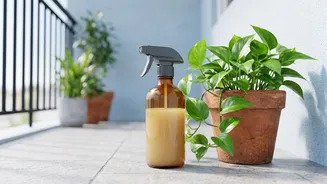
Creating your own pest control spray is incredibly simple and cost-effective. For a standard one-litre spray bottle, which is perfect for most balcony gardens, you'll have a fresh batch ready in minutes. Here's a widely recommended ratio: - 1 litre of warm water - 1 teaspoon (approx. 5ml) of 100% cold-pressed neem oil - 1/2 teaspoon of mild liquid soap (avoid using harsh dish detergents with degreasers) First, pour the warm water into your spray bottle. Warm water helps the oil mix more easily. Next, add the soap and shake gently to dissolve it. Finally, add the neem oil, close the bottle, and shake vigorously to combine everything. It's important to shake the bottle periodically during use, as the oil will naturally try to separate from the water over time. For a more preventative spray, you can use a slightly lower concentration, while a more severe infestation might require a slightly stronger mix.
How and When to Apply the Solution
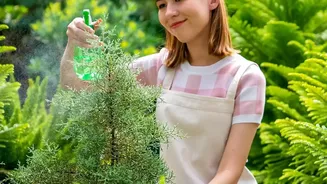
Proper application is key to success and to keeping your plants safe. The best time to spray your plants is in the early morning or late evening. Applying it in the middle of the day, when the sun is strong, can cause the oil to heat up and burn the delicate leaves. When you spray, be thorough. Pests like aphids, mealybugs, and spider mites love to hide on the undersides of leaves and in the crevices where leaves join the stem. Ensure you coat all surfaces of the plant—tops and bottoms of leaves, stems, and the soil surface—until the solution is dripping. Before spraying an entire plant for the first time, it's wise to do a 'patch test'. Spray a small leaf and wait 24 hours to see if there is any negative reaction. Some plants can be more sensitive than others.
Common Pests Targeted by Neem Oil
This simple spray is effective against a wide range of common garden pests that frequently plague balcony plants. It is particularly useful for controlling soft-bodied insects. You can use it to manage infestations of: - Aphids - Mealybugs - Spider Mites - Whiteflies - Thrips - Scale insects Beyond just killing pests on contact through suffocation, its systemic action deters feeding and disrupts their growth, which helps control populations over time. The solution can also help manage some common fungal issues like powdery mildew, making it a versatile tool for overall plant health.
Important Precautions to Remember
While neem oil is a natural product, it is still a pesticide. Always store the concentrated oil out of reach of children and pets. Avoid spraying on plants that are already stressed from underwatering, recent repotting, or extreme heat, as they are more susceptible to leaf burn. Certain plants with delicate or fuzzy leaves, such as some herbs like basil or leafy greens like spinach, may be sensitive to oils, making the patch test even more crucial. For edible plants and vegetables, be sure to wash the produce thoroughly before consumption. Finally, while neem oil is considered safe for beneficial insects like bees when dry, it's best to spray in the evening when pollinators are not active to minimize any direct contact.