



1. Treacherous Road Conditions
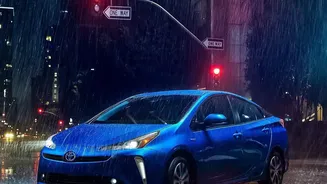
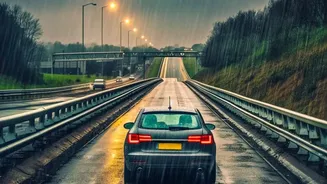
The most immediate challenge of monsoon driving is the state of the roads. Heavy rain can obscure deep potholes and cracks, turning a smooth drive into a hazardous one. More dangerously, water mixes with oil and grime on the road surface, creating a slippery
film that significantly reduces tyre grip. This increases the risk of skidding, especially on curves or when braking suddenly. Another major phenomenon to be aware of is aquaplaning, which happens when a layer of water builds up between your tyres and the road surface, causing a complete loss of steering control. To stay safe, reduce your speed significantly, avoid sudden manoeuvres, and increase the following distance between you and the vehicle ahead to at least double what you would normally keep.
2. Landslides and Falling Debris
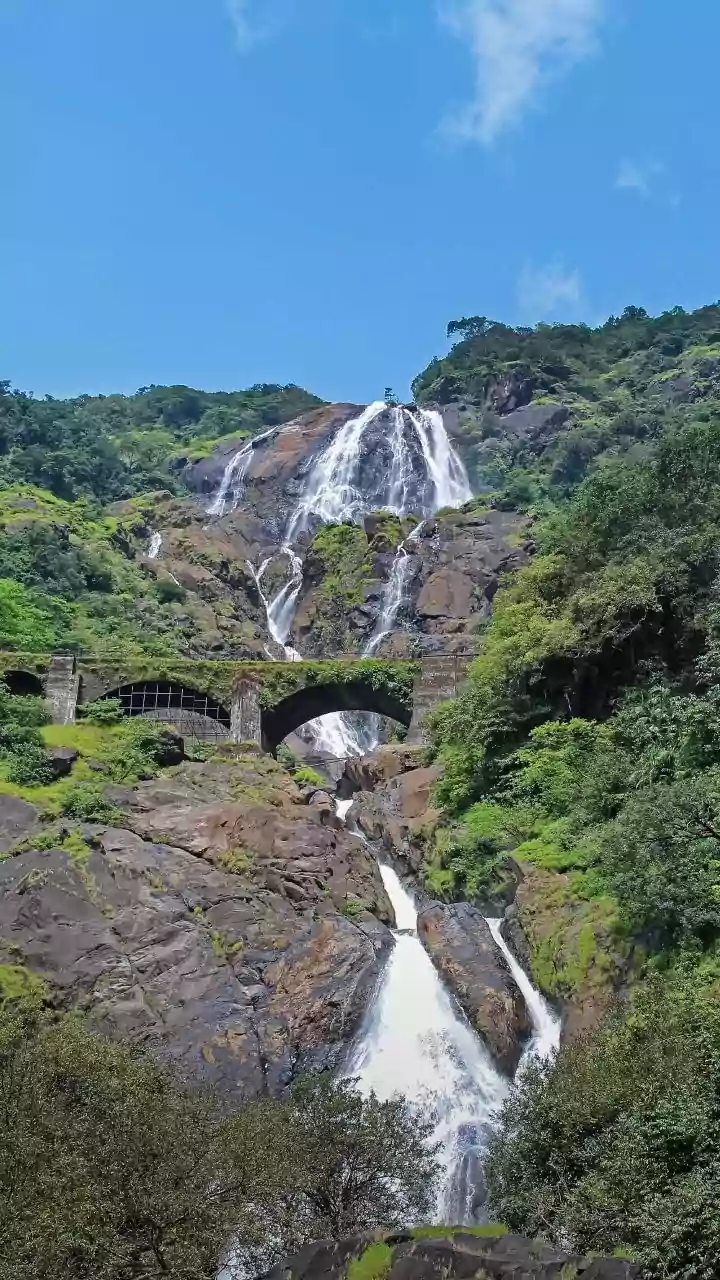
If your route takes you through hilly or mountainous regions, landslides are a serious and recurring risk. Areas like the Himalayas (Uttarakhand, Himachal Pradesh) and the Western Ghats (covering parts of Maharashtra, Karnataka, and Kerala) are particularly vulnerable. Heavy rainfall saturates the soil and weakens rock formations, leading to slope failures that can block roads for hours or even days. These events can range from minor rockfalls to massive slides that wipe out entire sections of highway. Always check the weather forecast and local news for any landslide warnings before you travel. It's wise to have an alternate route in mind and to avoid travelling through vulnerable ghat sections during or immediately after periods of intense rainfall.
3. The Danger of Waterlogged Roads
Urban areas and low-lying plains frequently experience waterlogging. Driving through these flooded streets is one of the most dangerous mistakes a driver can make. It's often impossible to judge the depth of the water, which may conceal open manholes, deep potholes, or debris. As little as six inches of water can be enough to cause you to lose control or stall your car. Just one foot of water can be enough to make a small car float, leaving you at the mercy of any current. Furthermore, driving through water can force it into your car's air intake, leading to catastrophic engine damage known as hydrostatic lock. The golden rule is simple: Turn Around, Don't Drown. If you encounter a flooded road, find an alternative route.
4. Severely Reduced Visibility
Heavy downpours, fog, and spray from larger vehicles can drastically reduce your visibility, making it difficult to spot hazards, other cars, or pedestrians in time. It is essential to use your low-beam headlights, even during the day, to ensure you can see and be seen. Avoid using high beams, as they reflect off the raindrops and fog, which can worsen visibility for you and blind oncoming drivers. If visibility becomes so poor that you can barely see the road ahead, it is safest to pull over to a secure location, well off the road, and wait for the rain to subside. Remember to turn on your hazard lights if you stop.
5. Vehicle Preparation and Breakdowns
The monsoon is brutal on vehicles, and a car that ran perfectly in the summer can easily break down in the rain if unprepared. Before your trip, conduct a thorough check. Your tyres are your single most important safety feature; ensure they have adequate tread depth (at least 3mm is recommended for monsoon safety) to grip wet roads effectively. Test your brakes, as their performance can be compromised on wet surfaces. Your wiper blades are your first line of defense against rain, so replace them if they leave streaks or judder across the glass. Finally, check all your lights, your battery, and top up all essential fluids. A breakdown is inconvenient anytime, but being stranded on a remote road in a downpour can be genuinely dangerous.