





More Green, Less Grey
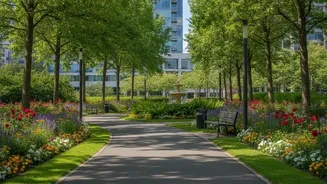
Integrating nature into the urban fabric is one of the most powerful tools for public health. Parks, community gardens, and even tree-lined streets offer more than just visual appeal. Research consistently shows that access to green space is linked to lower
stress levels, improved mental clarity, and better overall emotional well-being. Regular time in these natural environments encourages physical activity like walking and jogging, which can reduce the risk of cardiovascular disease, obesity, and diabetes. For middle-aged and older adults, the benefits are particularly pronounced, with studies showing that green spaces can significantly alleviate depression and physical illness. Beyond individual health, these areas serve as vital social hubs, fostering community connection and providing a much-needed escape from the concrete jungle.
Designing for Movement
For decades, many cities were designed around the car. A healthier future lies in shifting focus back to people. The concept of the '15-minute city'—where residents can access essential services like shops, schools, and healthcare within a 15-minute walk or bike ride—is gaining global traction for its profound health benefits. This model of urban planning naturally promotes active transport. Creating safe, protected lanes for cyclists and well-maintained, continuous footpaths encourages people to ditch their vehicles for short trips. This simple change increases daily physical activity, which is crucial for preventing chronic diseases. Walkable neighbourhoods also enhance mental well-being and social connection by creating more opportunities for casual interactions with neighbours, fostering a stronger sense of community.
Cleaner Air, Clearer Minds
Air pollution is an invisible threat that has a significant impact on urban health, contributing to respiratory illnesses, heart disease, and even diabetes. Tackling this issue requires a multi-pronged approach. Shifting to cleaner modes of transport, such as expanding electric bus fleets and promoting cycling and walking, is a critical step. Cities can also implement policies to reduce emissions from industries and construction sites and improve waste management to prevent the open burning of trash. Expanding the urban green canopy is another key strategy, as trees act as natural air filters, absorbing carbon dioxide and other harmful pollutants. Cleaner air not only protects our physical health, especially that of children and the elderly, but also contributes to better cognitive function and overall quality of life.
Fostering Social Connection
Loneliness and social isolation are growing public health concerns, particularly in dense urban environments where you can be surrounded by people and still feel alone. Building healthier cities means intentionally designing spaces that foster community. Public squares, libraries, and accessible parks are not just amenities; they are crucial infrastructure for social health. These spaces provide neutral ground where people can meet, interact, and build the informal relationships that create a sense of belonging and mutual trust. Strong social connections are linked to better mental and physical health, lower rates of anxiety and depression, and increased community resilience in times of crisis. When people feel connected to their community, they are more likely to look out for one another, leading to safer and more supportive neighbourhoods.
Access to Nutritious Food
A healthy life is difficult without access to healthy food. In many urban areas, 'food deserts' exist where affordable, nutritious options are scarce, while processed and unhealthy foods are plentiful. Healthier cities address this disparity by integrating food systems into urban planning. This can include promoting urban agriculture, such as community gardens or vertical farms, which shortens supply chains and increases the availability of fresh produce. Supporting local farmers' markets also makes it easier for residents to access healthy foods. Reconnecting cities with their surrounding rural areas ensures a more stable and diverse food supply. By making healthy diets more accessible and affordable, cities can significantly influence lifestyle patterns and combat rising rates of nutrition-related health issues.