



A Tournament Marked by 'Anti-Football'
Long before the final, Argentina's tactical approach was a major talking point. Pundits and rival fans described their style as overly aggressive and, at times, 'anti-football'. Throughout the tournament, the team was accused of deploying disruptive and physical
tactics aimed at breaking up their opponents' rhythm rather than playing expansive football. The semi-final against England was a case in point, where Argentina committed 12 fouls in the first half alone but received only a single yellow card, leading to widespread frustration and criticism of the officiating. This perceived leniency from referees fuelled allegations of favouritism, with some fans coining the term 'VARgentina' to suggest the defending champions were benefiting from dubious calls. The Egyptian team even filed a formal complaint over refereeing after their knockout stage loss to the Albiceleste. This pattern of aggressive play set a contentious tone for their entire campaign.
Chaos and Violence After the Final Whistle
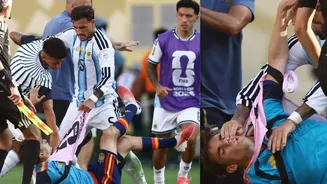
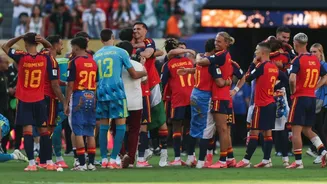
The moment the final whistle confirmed Spain's victory, the simmering tensions from a bruising final boiled over into outright chaos. The ugly scenes were reportedly instigated by midfielder Leandro Paredes, who charged at the celebrating Spanish players. He was seen shoving both Éric García and Gavi to the ground and appeared to throw punches in the ensuing melee. His actions, described by pundits as a 'disgrace', earned him a red card after the match was officially over. Paredes was not alone. Teammate Nahuel Molina was also seen appearing to strike an opponent as the Spanish team celebrated. The brawl that unfolded on the pitch immediately overshadowed Spain's victory, with Argentina's coach Lionel Scaloni forced to intervene to calm his players down.
A 'Classless' Trophy Ceremony Snub
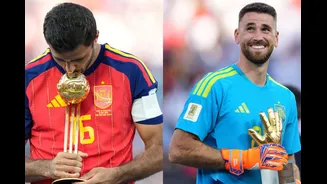
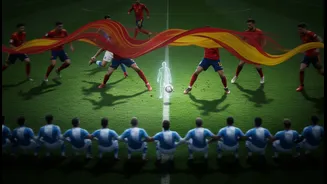
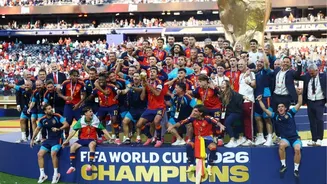
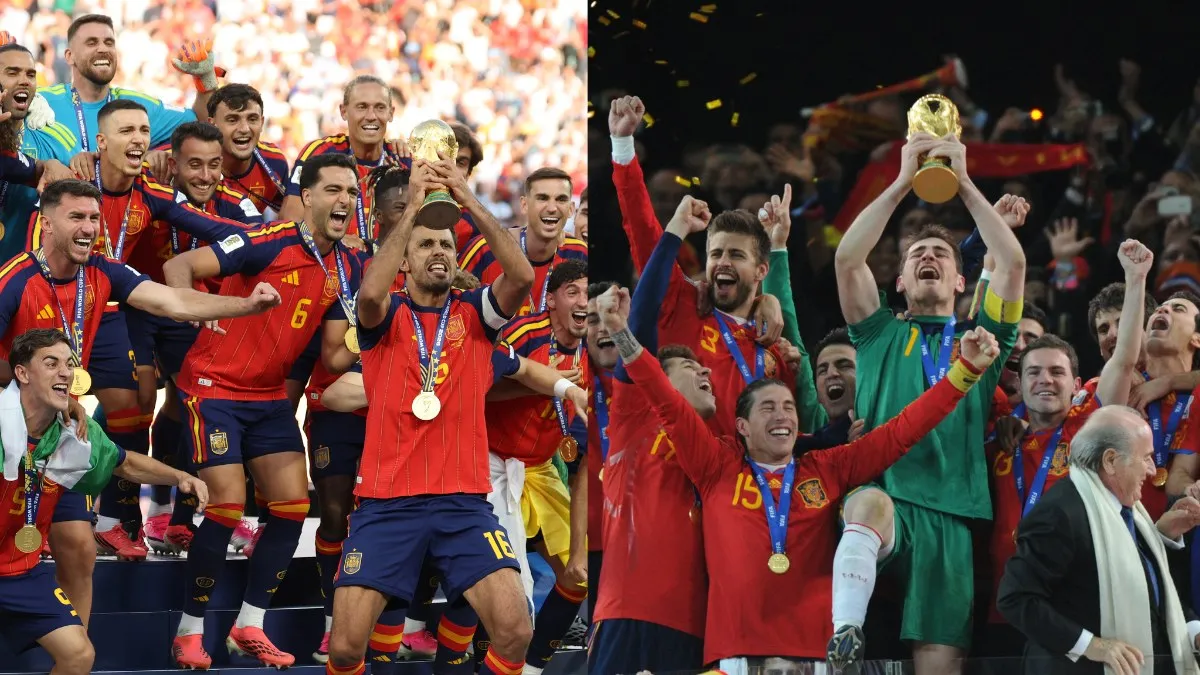
The controversy did not end on the pitch. During the post-match ceremonies, Argentina's conduct drew further condemnation. After receiving their runners-up medals to a guard of honour from the Spanish players, the Argentine squad did not return the gesture. Instead, in an act widely labelled as 'classless', the players turned their backs as Spain prepared to lift the World Cup trophy. The display of poor sportsmanship continued during the individual awards. When Spanish midfielder Rodri was awarded the Golden Ball for the tournament's best player, large sections of the Argentine fanbase inside the stadium began chanting Lionel Messi's name, a move seen as deeply disrespectful to the winner. This collective behaviour during the ceremony was viewed by many as a final, blatant show of disrespect to the new champions.
Tarnishing a Golden Generation's Legacy
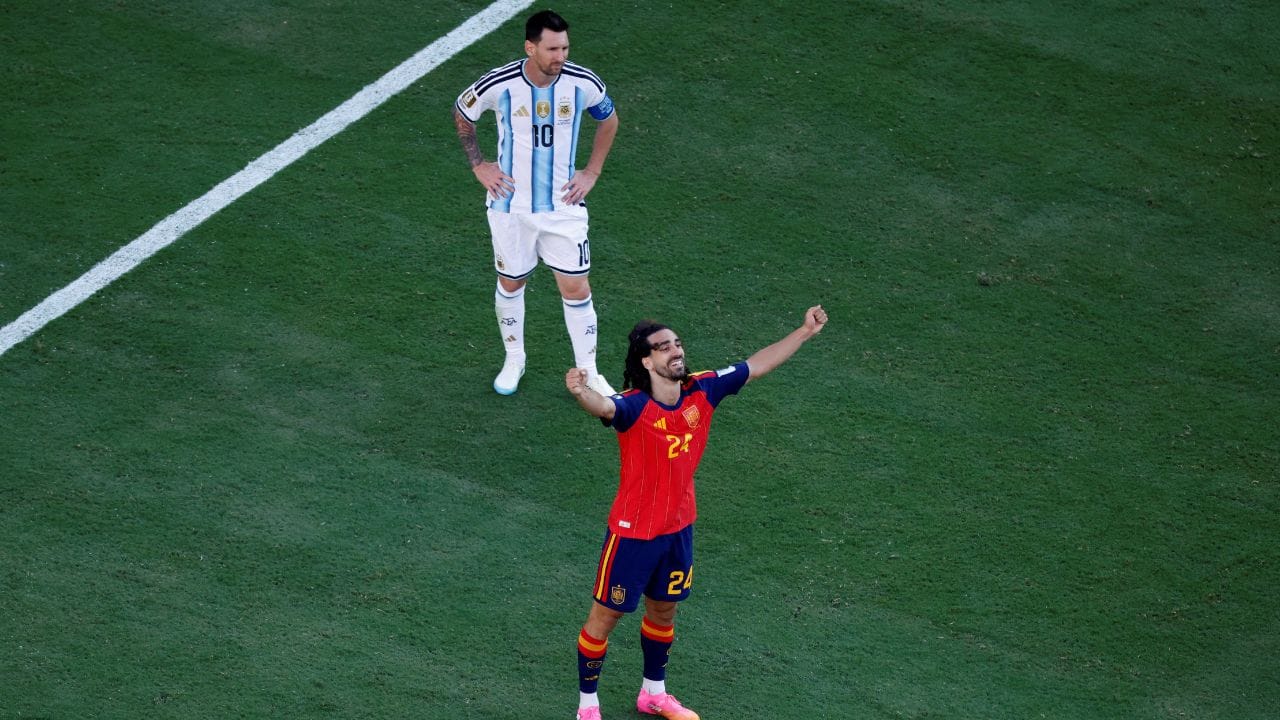
For a team looking to cement its legacy by defending a World Cup title, the manner of the defeat and the subsequent actions have left a significant stain. For Lionel Messi, in what was expected to be his final World Cup appearance, it was a heartbreaking end. While his personal legacy may remain untarnished, the reputation of the squad around him has taken a serious hit. The 2022 team was praised for its fight, but the 2026 squad's conduct has been heavily criticised for crossing the line from competitiveness into petulance. Argentina's manager Lionel Scaloni's post-match claim that his team was 'gracious in defeat' was met with disbelief, given the on-field brawls and ceremony snub that the world had just witnessed. The fallout has sparked a broader conversation about where the line is drawn between passion and poor sportsmanship on the world's biggest stage.