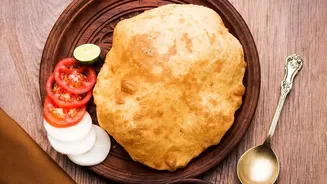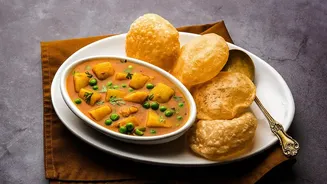


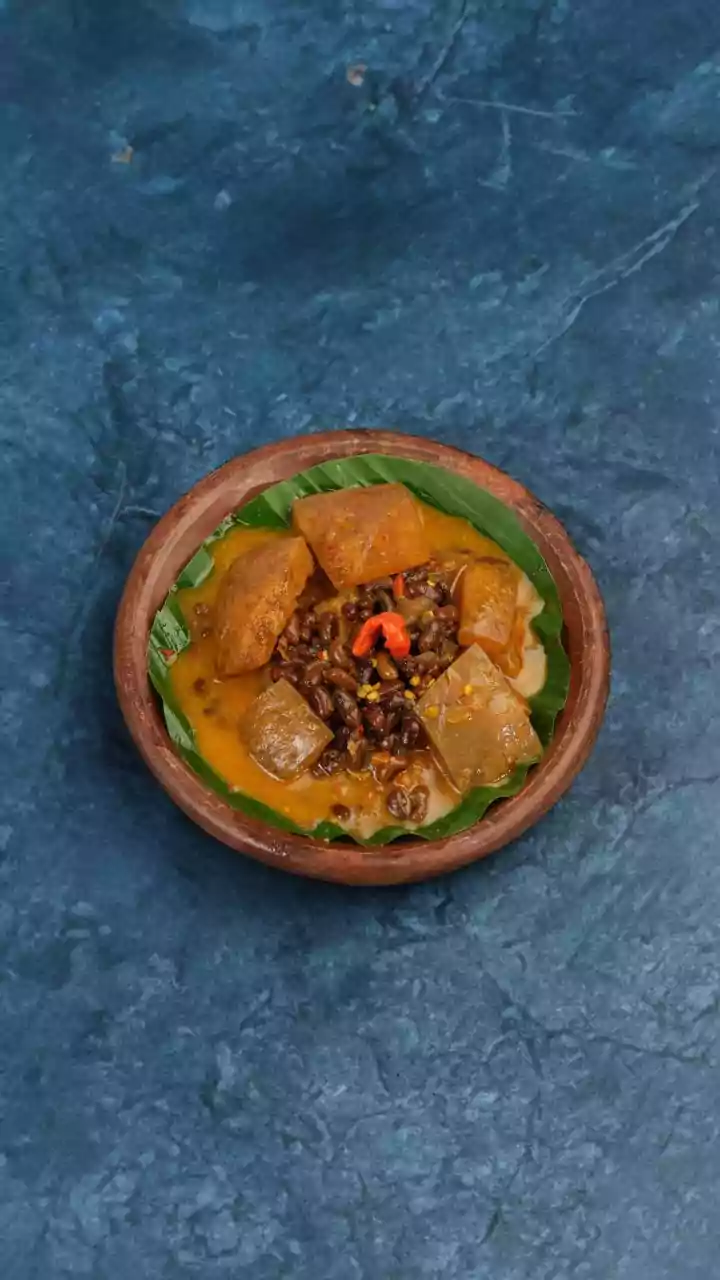
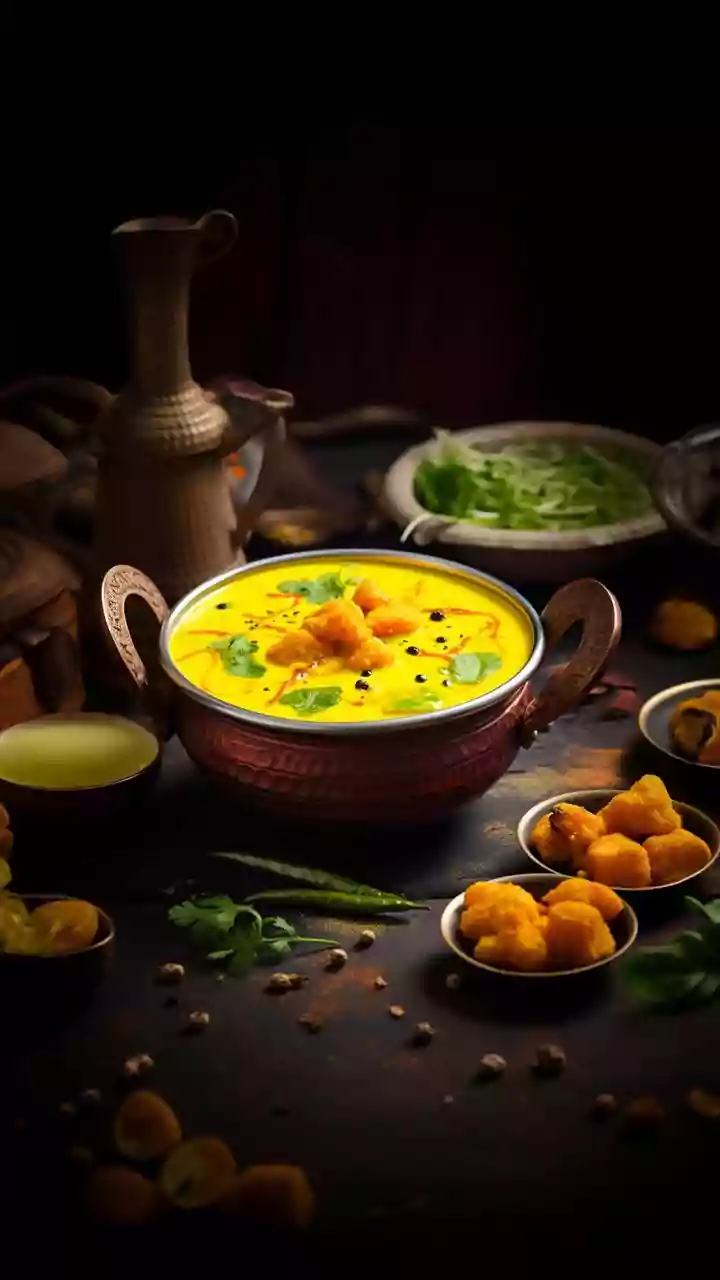
The Viral, Beautifully Flat Image
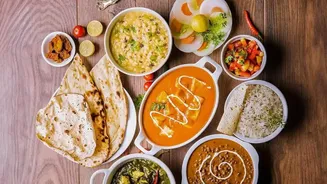
Scroll through your feed and you’ll see it: a 30-second reel of a bubbling curry, a sped-up tutorial for a flatbread, or a montage of street food set to a trending song. Social media has done wonders for the visibility of Indian cuisine, moving the spotlight
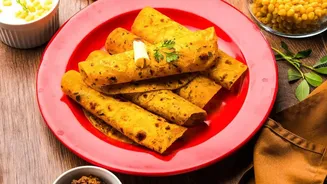
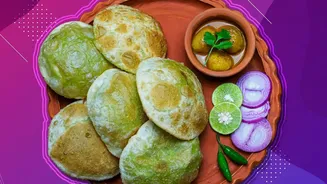
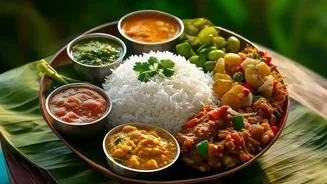
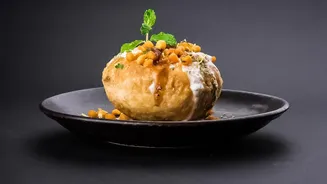
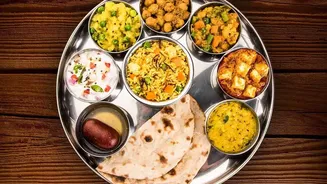
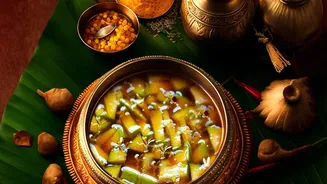
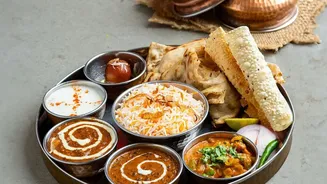
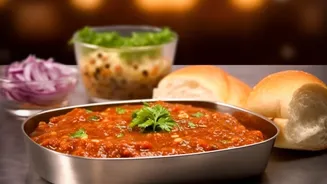
beyond the usual butter chicken and samosas. Dishes from Uttarakhand like Aloo Ke Gutke or Gujarat's Batata nu shaak are getting their moment. This visual storytelling is powerful, making complex food traditions seem accessible and irresistible. But this accessibility comes at a cost. In the race for likes and shares, food is often reduced to its most photogenic qualities. The emphasis is on aesthetics—vibrant colours, dramatic plating, and satisfying textures designed for the screen. While this has undoubtedly made Indian food more approachable globally, it often strips away the very soul of the dish, creating a beautiful but ultimately flat representation.
Beyond 'Curry': The Power of a Name
One of the most significant casualties of this oversimplification is nomenclature. A complex, slow-cooked lamb stew from Kashmir becomes ‘lamb curry’. A dozen distinct lentil preparations from across the country are all flattened into ‘dal’. This isn't just a matter of semantics; it's a matter of respect. Giving a dish its proper name—recognising a Tamil 'kuzhambu' as distinct from a Bengali 'shorshe ilish'—is the first and most crucial step toward understanding its origin, its community, and its unique identity. A name carries history, geography, and a specific culinary point of view. For instance, 'Daulat ki Chaat' isn't just a dessert; it's a winter specialty from the North, made by whisking milk before dawn and letting it set under the dew. When we erase these names, we erase the stories and the people behind them, contributing to a monolithic and inaccurate view of what Indian food is.
The Missing Context and Nuance
The short-form, algorithm-driven nature of today’s social platforms is inherently at odds with the depth of regional Indian cooking. A reel can make a Naga pork curry desirable to someone in Mumbai, but it can't convey the cultural significance of the ingredients or the generations of knowledge behind the technique. Food in India is rarely just about sustenance; it’s about community, ritual, and history. It’s the story of a grandmother’s technique for grinding spices, the specific pot used for a festival dish, or the local ingredients foraged during a particular season. This rich context is the first thing to be discarded in a format that prioritizes speed and immediate gratification. The result is a surge in popularity without a corresponding rise in understanding. As some critics have noted, virality is not the same as visibility, and visibility is not the same as respect. Respect comes from the sustained storytelling that algorithms are not designed to favour.
What 'Real Cooking' Truly Means
The headline's call for "real cooking" isn't a criticism of home cooks, who have become stars by making Indian food seem less intimidating. Rather, it's a critique of the 'dump-and-stir' style of recipe videos that sacrifice technique for simplicity. Real Indian cooking is often a science of technique. It’s about understanding the precise moment a tadka (tempering of spices in hot oil) is ready, the feel of a perfectly kneaded dough, or the low-and-slow process that builds layers of flavour. Many viral recipes, in an effort to be 'easy', skip these crucial, non-negotiable steps. They present cooking as a mere assembly of ingredients, when it is truly an art of transformation. This does a disservice to both the cuisine and the aspiring cook, promising authentic results from an inauthentic process and reinforcing the idea that convenience is more important than craft.