




1. Okra (Bhindi)
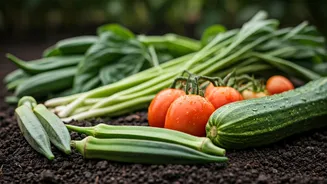
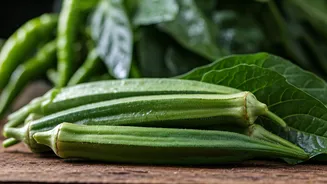
Okra is a star performer during the monsoon. This vegetable doesn't just tolerate humidity; it actively thrives in it. The warm, wet conditions encourage rapid growth, often allowing you to harvest pods just 50-60 days after planting. Bhindi plants are
also relatively sturdy and can withstand moderate rainfall. Their main vulnerability is to yellow vein mosaic virus, which can be managed by choosing resistant varieties and controlling the whitefly population. For best results, sow seeds directly into well-drained soil or on raised beds to prevent waterlogging at the roots. The consistent moisture from the rains will ensure your okra pods are tender and delicious.
2. Cucumber (Kheera)
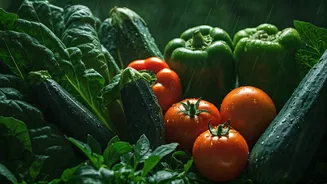
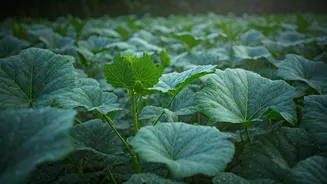
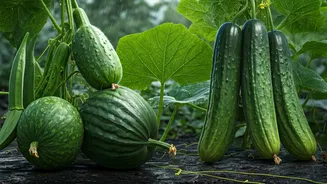
Cucumbers are composed of about 95% water, so it's no surprise they love a good drink. The monsoon provides the consistent moisture that cucumber vines need to produce a prolific crop. They grow vigorously in the rainy season, covering trellises and producing fruit in abundance. The key to success is twofold: excellent drainage and good air circulation. Plant your cucumbers in raised mounds of soil enriched with compost and provide a strong trellis for them to climb. This keeps the leaves and fruit off the wet ground, significantly reducing the risk of fungal diseases like powdery mildew, which can be a problem in humid weather.
3. Gourds (Lauki, Turai)
The gourd family is synonymous with monsoon cooking in India, and for good reason. Bottle gourd (lauki), ridge gourd (turai), and snake gourd (chichinda) are all prolific growers during this season. These climbing vines relish the high humidity and regular watering that the rains provide. Like cucumbers, they require a sturdy support structure or trellis to grow on. Elevating the vines improves air circulation, keeps the fruit clean, and makes harvesting much easier. The large leaves of gourd plants can sometimes fall prey to pests, so a regular check for any signs of infestation is a good practice. Planting them at the start of the monsoon ensures a steady supply for your kitchen throughout the season.
4. Radish (Mooli)
If you're looking for a quick and rewarding crop, radish is an excellent choice for the rainy season. This root vegetable matures quickly, with some varieties ready to harvest in as little as 30-40 days. Radishes prefer the cooler temperatures and moist soil that the monsoon brings. The consistent water supply helps the roots grow quickly and evenly, preventing them from becoming woody or overly pungent. However, because they are a root crop, drainage is non-negotiable. Planting them in sandy, loose soil or on raised beds is essential to prevent the roots from rotting in waterlogged conditions. You can even sow seeds every couple of weeks for a continuous harvest.
5. Beans (Sem)
Many varieties of beans, particularly bush beans and some pole bean varieties, perform exceptionally well during the rains. They are nitrogen-fixing plants, meaning they actually improve the quality of your soil as they grow. Beans appreciate the regular moisture but dislike having 'wet feet.' Bush beans are often a better choice for very heavy rainfall areas as their compact size means they are less likely to be battered by wind and rain. For pole beans, ensure a strong trellis is in place. Good air circulation is vital, so avoid planting them too close together. They grow fast and will provide you with a protein-rich harvest for weeks on end.
6. Leafy Greens (Palak, Amaranth)
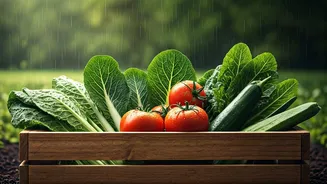
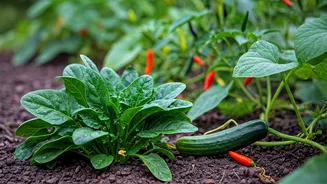
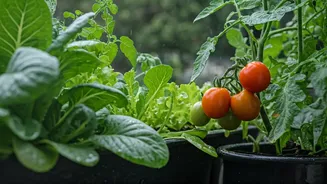
While delicate lettuces might struggle, hardy leafy greens like spinach (palak) and amaranth (chaulai) flourish in the monsoon. The cooler temperatures and ample moisture are ideal for producing tender, lush leaves. The biggest challenge with leafy greens in the rain is soil splashing onto the leaves, which can introduce diseases and make cleaning them a chore. To prevent this, apply a thick layer of mulch (like dried leaves or straw) around the base of the plants. This also helps suppress weeds. Harvest the outer leaves regularly to encourage new growth from the center of the plant, ensuring a continuous supply of fresh greens.