







The Dangerous Seduction of 'Convenience'
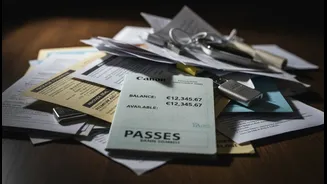
In the world of digital banking, convenience is the ultimate goal. But a dangerous trend has emerged where this goal is used to justify a practice known as silent enrolment or negative option billing. This is when a bank or financial institution adds
a new product or service to your account—a 'credit-monitoring' service, an 'enhanced' card, or a niche insurance policy—without your explicit, positive consent. You are enrolled by default, and the onus is on you to notice the charge and go through the hassle of opting out. Banks frame this as a proactive service, a way of giving you access to beneficial products without you needing to ask. They might claim it's a pre-approved perk or a value-added service. However, this reframing masks a simple truth: it is a sales tactic designed to increase fee-based revenue, preying on the fact that many customers won't notice the small charge or will find it too inconvenient to cancel.
The True Cost of Unsolicited Services
That small, monthly fee might seem insignificant, but the costs of silent enrolment are far greater. First, there are the direct financial losses. These small fees add up over time, quietly draining your account. Second, it creates a psychological burden. Instead of your bank working for you, you are forced to work for your bank, policing your statements for unwanted charges. This erodes the most critical asset in banking: trust. Beyond fees, the unsolicited activation of credit products, like a new credit card or a credit limit enhancement, can have serious consequences. The Reserve Bank of India (RBI) has very strict rules on this. Issuing an unsolicited card is strictly prohibited. If a card is issued without your consent, the issuer is solely responsible for any misuse, not you. Furthermore, these actions can impact your credit score without your knowledge, affecting your ability to secure loans in the future.
Regulators Are Cracking Down
Fortunately, financial regulators are not silent on this issue. The Reserve Bank of India has consistently moved to strengthen consumer protection. A series of directions, including the Credit Card and Debit Card Issuance and Conduct Directions from 2022, explicitly forbid the issuance of unsolicited cards and services. The rules mandate that consent must be explicit and, in many cases, require an OTP-based confirmation to activate a new card. More recently, the RBI has broadened its attack on mis-selling, with new rules set to take effect in 2027. These regulations define mis-selling to include selling products without obtaining clear, recorded customer consent. The framework also aims to stop forced bundling of products and the use of deceptive 'dark patterns' in apps and websites that trick users into agreeing to things they don't want. If mis-selling is proven, the bank will be required to provide a full refund and compensate for losses.
What 'Consent' Truly Means
The core of the issue lies in the definition of consent. For years, some institutions have operated on a principle of 'negative consent'—if you don't say no, you've said yes. This is no longer acceptable. Emerging regulations, including those inspired by the Digital Personal Data Protection (DPDP) Act, are cementing the need for consent to be clear, specific, informed, and voluntary. General or bundled permissions are not considered valid. This means a pre-ticked box on a web form or a clause buried in dozens of pages of terms and conditions does not constitute real consent. True consent is an active, affirmative choice made by a customer who understands what they are agreeing to, what it costs, and how they can opt out. The RBI's new framework moves Indian banking decisively in this direction, putting the responsibility on banks to prove they have your permission, not on you to prove you did not give it.
How to Protect Your Finances
While regulators are providing stronger tools, vigilance remains your best defence. First, make it a habit to review your bank and credit card statements every single month without fail. Question every single line item you don't recognise. Second, if you find an unauthorised charge, contact your bank immediately to dispute it and ask for it to be cancelled and refunded. If the bank is uncooperative, do not hesitate to escalate the matter. You can file a formal complaint with the bank's internal grievance redressal system, and if you are not satisfied with the response, you can approach the RBI's integrated Ombudsman scheme. Remember, the rules are increasingly on your side. Quoting the RBI's own guidelines on unsolicited products can often expedite a resolution.