




Time Your Visit for the Right Experience
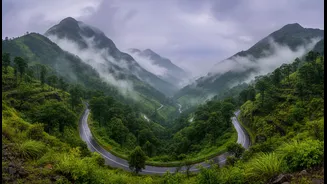
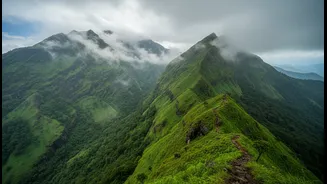
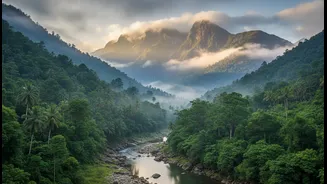
The Western Ghats change dramatically with the seasons, and the best time to visit depends on what you want to see. For clear skies, pleasant weather, and ideal trekking conditions, the post-monsoon and winter months from October to March are perfect.
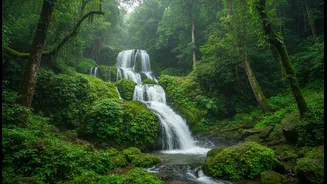
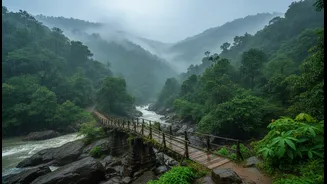
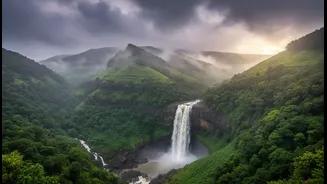
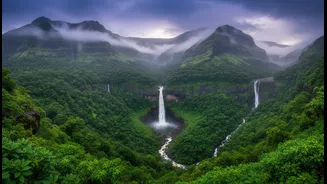
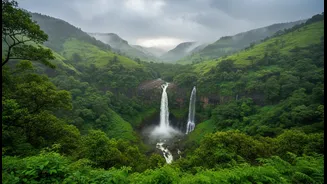
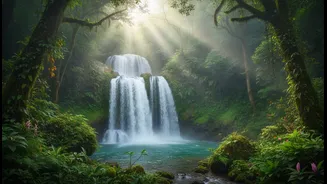
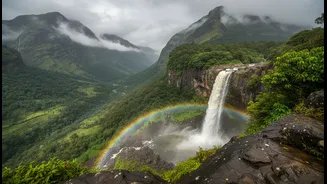
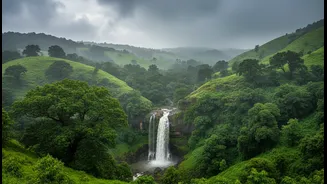
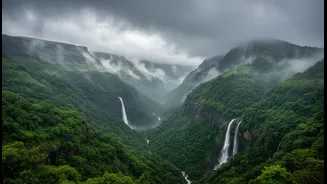
During this period, the forests are still lush from the rains, and wildlife is active. The monsoon season, from June to September, transforms the landscape into a vibrant green paradise with roaring waterfalls. This is a magical time for photographers, but be prepared for heavy rain, slippery trails, and potential travel disruptions like landslides.
Pack Smart for Adventure and Rain
Your packing list should be tailored to the season and your planned activities. Regardless of when you go, quick-dry synthetic clothing is a must; avoid cotton as it absorbs moisture and takes a long time to dry. For the monsoon, a high-quality rain jacket or poncho, a waterproof cover for your backpack, and waterproof footwear with good grip are non-negotiable. Consider packing gaiters and leech-proof socks, especially for jungle treks during the rains. Other essentials include a first-aid kit, insect repellent, a portable charger, and high-energy snacks.
Embrace the Monsoon, but Respect Its Power
The monsoon brings out the region's most dramatic beauty but also its greatest hazards. Trails become extremely slippery, and calm streams can turn into dangerous torrents in minutes. Leeches are a common sight in the wet forests. While their bites are harmless, they can be unsettling. To prevent them, wear long socks tucked into your trousers, and consider using leech socks for extra protection. If you get bitten, don't panic; the leech will drop off on its own, or you can gently push its sucker sideways to remove it.
Choose Your Gateway Wisely
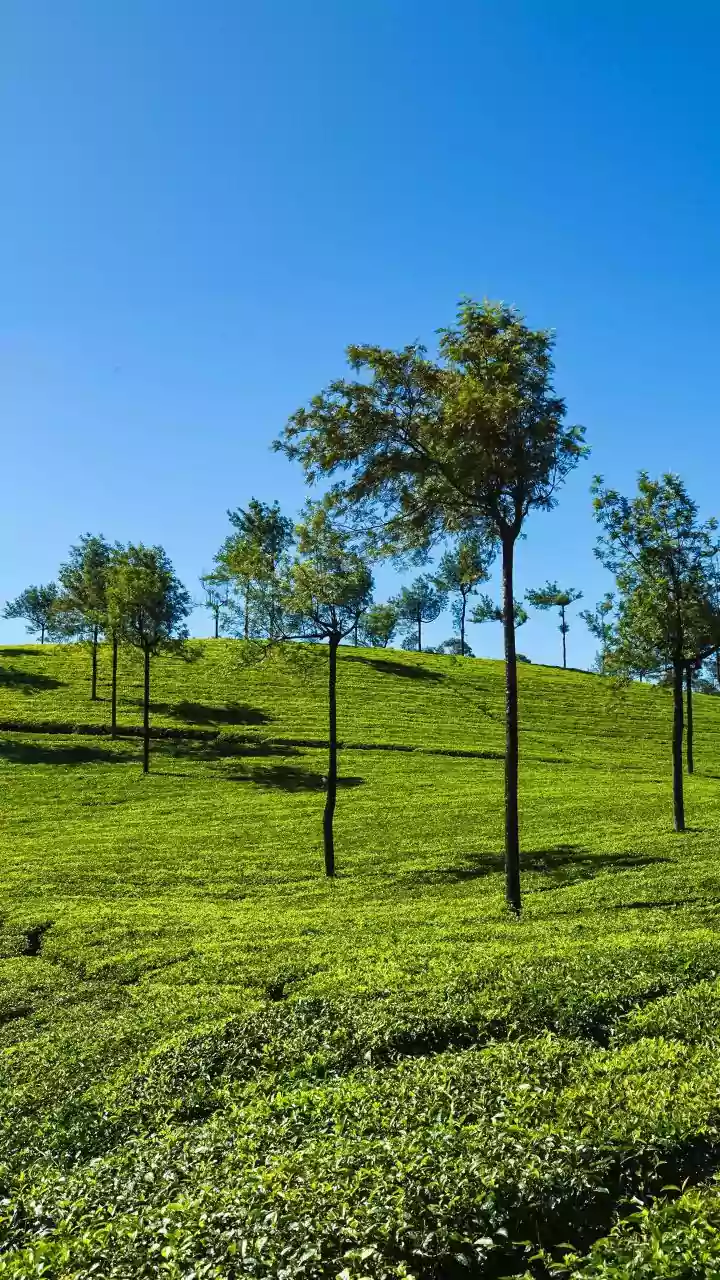
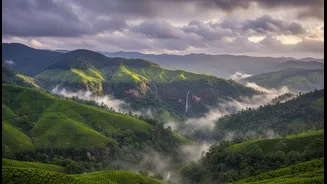
The Western Ghats span multiple states, each offering a unique flavour. Popular bases include Munnar in Kerala for its iconic tea estates, Coorg in Karnataka for coffee plantations, and Wayanad for its untouched forests and eco-retreats. For wildlife enthusiasts, national parks like Periyar in Kerala and Kabini in Karnataka offer incredible sightings of elephants, tigers, and endemic species. Researching these regions will help you find the perfect hub for your adventure, whether it's trekking, wildlife spotting, or simply relaxing in a serene hill station.
Trek Safely and Responsibly
Trekking is one of the best ways to experience the Ghats, but safety should be your top priority. Always trek with a group or a local guide, especially if you're unfamiliar with the terrain. Stick to marked trails and avoid shortcuts. Inform someone of your itinerary, start your treks early in the day, and carry a fully charged phone and a torch. Several states like Karnataka and Kerala have started to regulate trekking by requiring online bookings and capping the number of daily visitors to certain peaks to prevent overcrowding and ensure safety.
Be a Mindful Traveller
The Western Ghats are a fragile biodiversity hotspot, and responsible tourism is crucial for its preservation. Follow the 'Leave No Trace' principle: carry all your rubbish back with you, especially plastics. Do not disturb wildlife for a photo; observe animals from a safe and respectful distance. Support local communities by staying in homestays, hiring local guides, and buying local produce and handicrafts. This not only enriches your experience but also contributes to the local economy and conservation efforts.