

A Renaissance of Ancient Grains
A quiet but powerful shift is happening in bakeries and home kitchens across India. The humble ragi and jowar, long celebrated for their health benefits, are now the star ingredients in decadent chocolate cakes, fudgy brownies, and delicate tarts. This
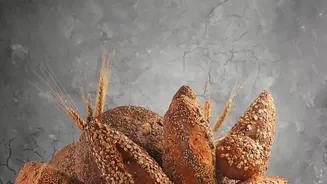
isn't just about swapping one flour for another; it's a culinary movement that blends tradition with contemporary tastes. The trend is driven by a growing consumer demand for healthier, gluten-free options that don't compromise on flavour. As people become more conscious of what they eat, they are rediscovering the nutritional powerhouses that have been part of Indian food culture for centuries. These grains are not just a substitute for refined wheat flour (maida) but are celebrated for the unique textures and earthy, nutty flavours they bring to the table.
More Than Just a Health Halo
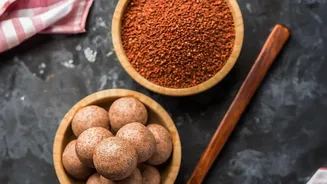
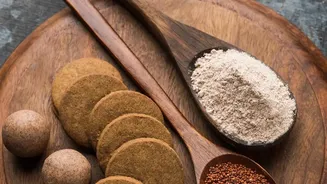
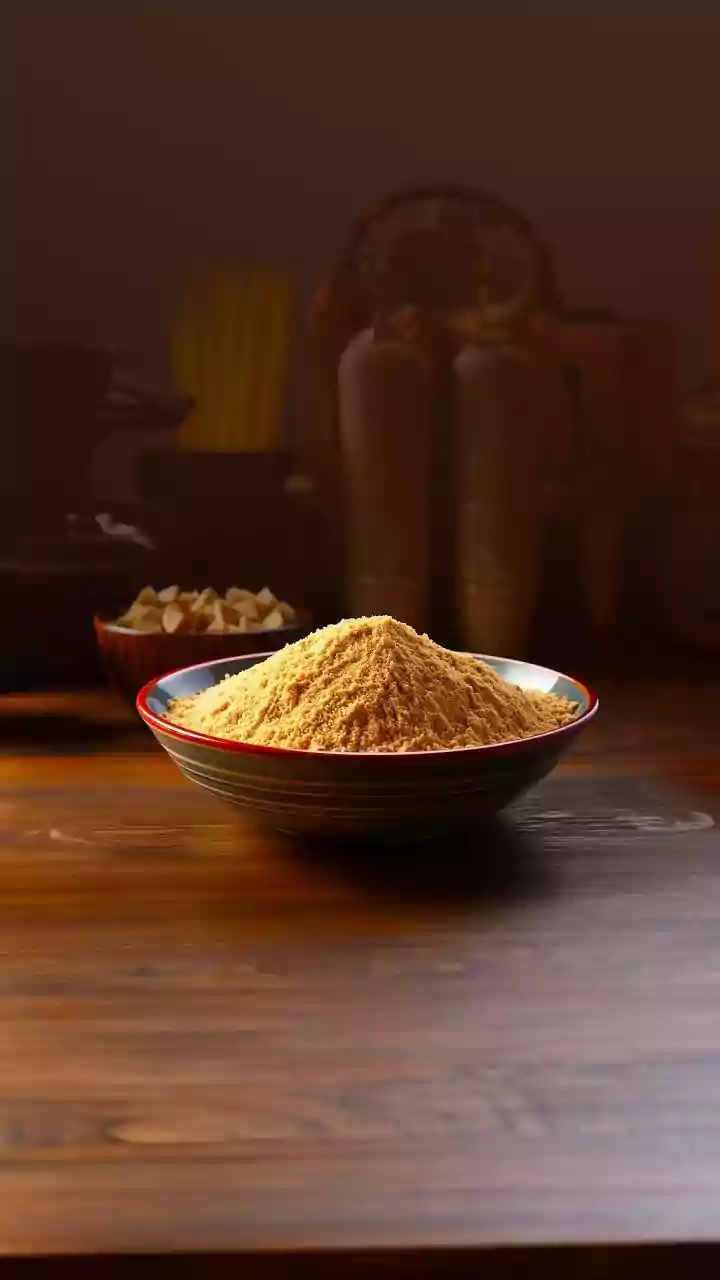
While the health benefits are a major draw, the appeal of millet-based desserts goes much deeper. Ragi, for instance, is a fantastic source of calcium and iron, while jowar is rich in protein and dietary fibre. Both are naturally gluten-free, making them a blessing for those with gluten sensitivities or celiac disease. Furthermore, these millets have a low glycemic index, which helps in managing blood sugar levels by providing a steady release of energy. This makes desserts made from them a more balanced indulgence. Bakers are also drawn to the unique properties of these flours. Ragi imparts a deep, dark colour and a rich, chocolatey note, making it a natural partner for brownies and cakes. Jowar has a milder, slightly sweet flavour that works beautifully in cookies, crumbles, and even traditional sweets like Gulab Jamun.
The Baker's Creative Challenge
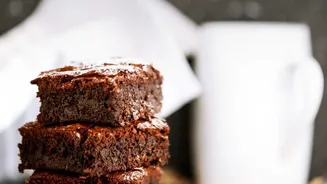
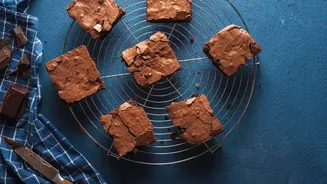
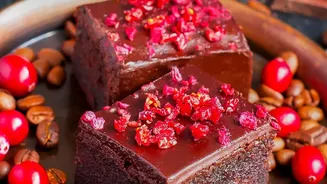
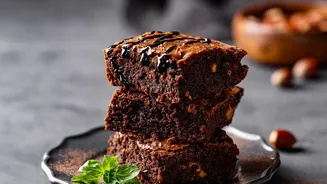
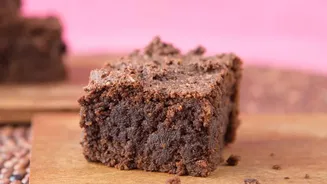
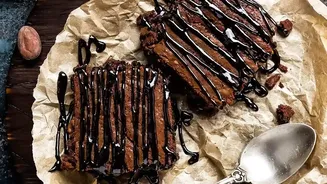
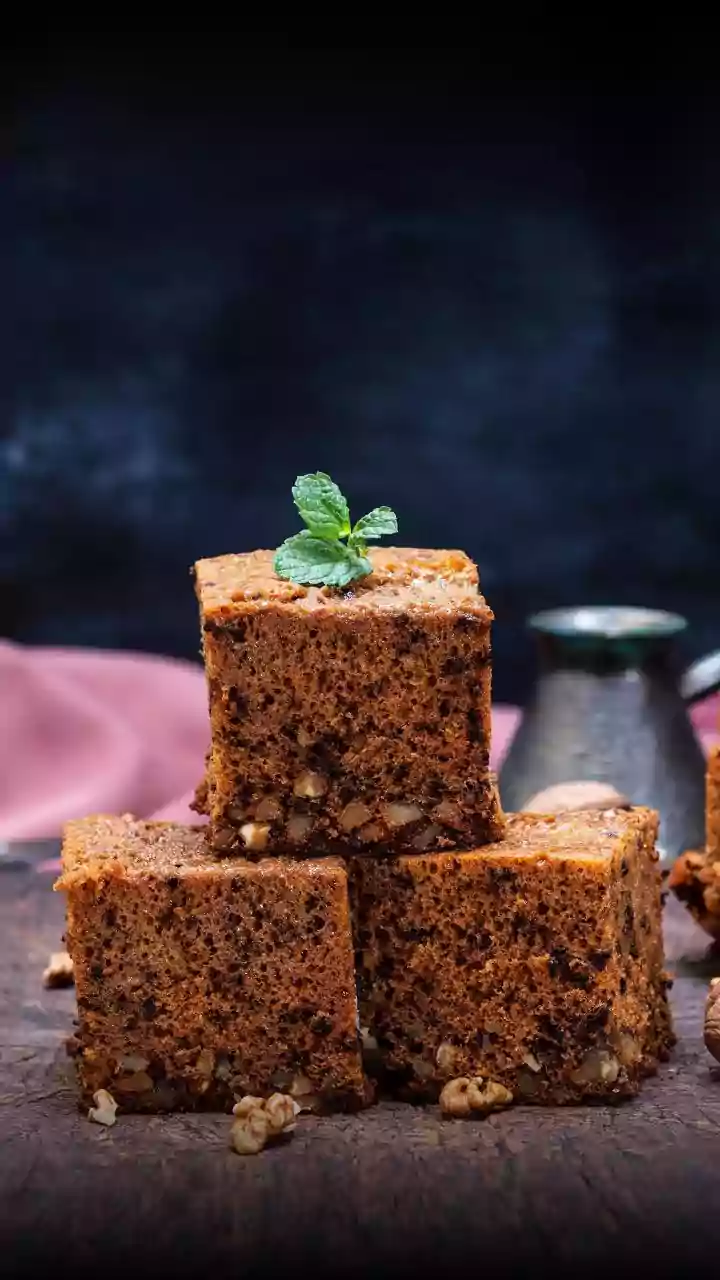
Baking with millet flours is both an art and a science. Since they lack gluten, the protein that gives wheat-based baked goods their structure and elasticity, bakers have had to innovate. Creating a light and airy cake or a perfectly chewy cookie requires a different approach. Many chefs and home bakers experiment with blending flours, using binders like eggs or yogurt, and adjusting moisture levels to achieve the perfect texture. For example, a common technique for ragi brownies is to ensure the batter is thick and fudgy, relying on ingredients like melted chocolate, butter, and eggs for richness and structure. The results are often surprisingly delightful, with a denser, more satisfying crumb and a complex flavour profile that refined flour simply can't match. This creative challenge has given rise to a new wave of dessert recipes, from ragi banana cakes to jowar apple crumbles.
From Niche to Mainstream
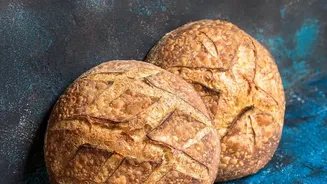
What started in the kitchens of health-conscious home bakers and niche cafes is now entering the mainstream. Food companies are launching millet-based cake and bread mixes, making it easier for everyone to try this trend. The Indian government's push to promote millets as 'superfoods' has also boosted awareness and availability. You can now find everything from millet cookies to elaborate multi-layered mousse cakes in stores and online. This movement is more than just a passing fad; it represents a return to roots and a celebration of local, sustainable ingredients. By incorporating these ancient grains into modern desserts, a new generation is ensuring that the culinary heritage of India not only survives but thrives in exciting and delicious new ways.