




The Plastic Problem on Our Doorstep
India’s digital economy has supercharged the food delivery market, bringing countless culinary delights to our homes. However, this convenience has an undeniable side effect: a mountain of plastic waste. Every biryani, curry, and noodle dish often arrives
in a collection of plastic containers, cutlery, and bags that are used for minutes but can pollute the environment for centuries. India generates millions of tonnes of plastic waste annually, and the food packaging industry is a significant contributor. As awareness grows and regulations tighten, the demand for sustainable alternatives has never been more urgent, creating a crucial opportunity for innovation.
Nature's Answer: The Promise of Seaweed
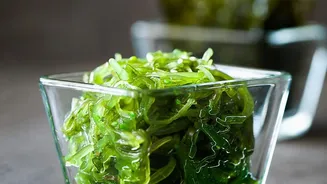
Enter seaweed, the fast-growing, abundant marine algae that could revolutionise the packaging industry. Unlike land-based crops, seaweed requires no freshwater, fertiliser, or pesticides to grow. It thrives along India’s extensive coastline, providing a renewable resource that doesn't compete for agricultural land. Furthermore, seaweed cultivation is often carbon-negative, as it absorbs CO2 from the atmosphere. When processed, its natural polymers can be transformed into materials that are not only biodegradable but, in some cases, even home-compostable and safe for marine life to consume. This makes it a powerful contender to replace petroleum-based plastics.
Pioneers in Green Packaging
Several Indian startups are leading this green charge. One of the most prominent is Zerocircle, founded by former Google employee Neha Jain. The company has developed a seaweed-based material that is completely biodegradable and even edible for marine animals. Zerocircle operates on a business-to-business model, working with local seaweed farmers in states like Gujarat and Tamil Nadu, which helps support coastal economies. Another key player is the Bengaluru-based Sea6 Energy, which is developing seaweed-based coatings to make paper and other materials heat-resistant and safe for food packaging. Meanwhile, Pune’s Go Do Good, founded by Khushboo Gandhi, creatively combines seaweed with agricultural waste to create unique products like eco-friendly bubble wrap.
From Ocean Plant to Food Container
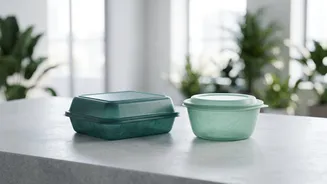
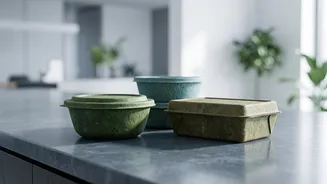
The process of turning algae into packaging is a fascinating blend of nature and science. It typically begins with harvesting and then drying the seaweed, which is then ground into a fine powder. This powder contains natural polymers like alginate and carrageenan. Through proprietary methods, this powder is transformed into a viscous liquid or blended with other natural materials to enhance its properties. This blend can then be shaped into various forms, such as thin, flexible films for pouches and wraps, or moulded into more rigid structures like boxes and containers. Some startups have even developed grease-resistant coatings for cardboard boxes, offering a fully compostable alternative to the plastic-lined containers common in food delivery.
Hurdles on the Path to Mainstream
Despite its immense potential, the journey for algae-based packaging is not without its challenges. The most significant barrier is cost. Currently, these sustainable alternatives are more expensive to produce than conventional plastic. Zerocircle, for example, acknowledges its product comes at a premium, though it aims to reduce this gap over time. Scaling up production from pilot projects to meet the massive demand of the packaging industry requires significant investment and technological refinement. Furthermore, the material's performance, particularly its durability and resistance to heat and moisture, must consistently match or exceed that of plastic to gain widespread acceptance from both businesses and consumers. Overcoming these economic and technical hurdles is the key to unlocking its full potential.