







Rethinking What ‘Value’ Really Means
When we think of holiday value, our minds often jump straight to the price tag. While a quieter, off-season city break is almost certainly friendlier to your wallet, its true value extends far beyond financial savings. The real prize is the quality of the experience
itself. Value isn't just about spending less; it's about getting more for your time and money. This could mean splurging on a fine dining experience with the money saved on flights, or simply enjoying a famous landmark without a sea of other tourists blocking your view. It’s a shift from a mindset of cost-cutting to one of experience-maximising. Travelling during these quieter periods, often called 'shoulder seasons' (the time just before and after the peak), provides a balance of good weather, open attractions, and a more relaxed atmosphere.
The Luxury of Fewer Crowds
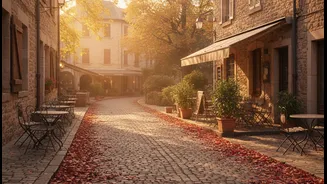
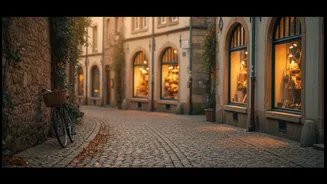
Imagine wandering through Prague’s golden-hued streets in autumn or exploring Lisbon's tiled alleys in the mild spring sunshine. One of the biggest advantages of off-peak travel is the freedom from crowds. Peak season can turn iconic destinations into a stressful endurance test of long queues and packed streets. Studies and traveler reports show that overcrowding can negatively impact the enjoyment of a trip, creating frustration and anxiety. In contrast, the shoulder season offers a calmer, more civilised experience. You can book museum tickets the night before, not six weeks in advance, and wander into a highly-rated restaurant without a reservation. This translates to less time waiting and more time enjoying the destination, which is especially beneficial for families or anyone who prefers a more relaxed pace.
A More Authentic Local Experience
When the high-season tourist wave recedes, a city returns to its normal rhythm. This is when you can experience a place as it truly is, not just as a performance for visitors. You're more likely to interact with locals in cafes and shops, hear the native language spoken around you, and get a genuine feel for the community. In hyper-popular spots like Barcelona, peak tourism can strain local infrastructure and change the character of neighbourhoods, with authentic markets turning into souvenir stalls. Off-season travel helps to alleviate this pressure, allowing for more meaningful exchanges and a sense that you are visiting a living city, not just a theme park.
The Unique Charm of the ‘Other’ Seasons
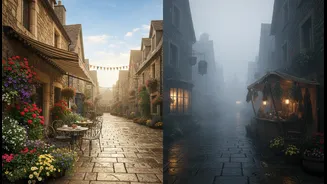
Swapping a summer beach for an autumn city break doesn't mean sacrificing beauty; it means discovering a different kind. Many European cities are arguably at their most atmospheric in the fall, with golden foliage, crisp air, and a cozy ambience. Think of Paris in October, when the gardens are a riot of colour, or Edinburgh, where the moody, historic architecture feels even more dramatic under autumn skies. Winter brings its own magic, with festive markets, the smell of mulled wine, and the chance to warm up in a grand Budapest bathhouse. These seasons offer unique sensory experiences—from culinary harvests in the autumn to the cozy glow of city lights in the winter—that summer travel simply can't replicate.
Your Wallet Will Thank You
Of course, the financial benefits are undeniable and significant. Flights to Europe can be up to 32% cheaper in the fall compared to summer. Accommodation, tours, and even entry fees to attractions often see a considerable price drop. But instead of just pocketing the savings, this financial freedom allows you to elevate your trip. The lower costs can make a more luxurious hotel affordable, or free up your budget for that extra walking tour, cooking class, or memorable meal. It transforms the conversation from "What can we afford?" to "What amazing experience shall we have next?" By travelling smarter, you not only save money but also enrich the entire holiday experience from start to finish.