




Choose Your Parsley Wisely
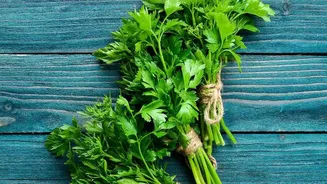
Before you start chopping, it's helpful to know the two main players: flat-leaf and curly parsley. Flat-leaf parsley, also known as Italian parsley, has a more robust, peppery flavour that holds up well in cooking and dressings. Curly parsley has a milder,
more 'green' taste and a ruffly texture, making it a great decorative garnish but also a pleasant, less overpowering addition to salads when used in volume. For most salad and dressing recipes where you want a distinct herby punch, flat-leaf is the preferred choice, but curly parsley is excellent for dishes where you want texture and a fresher, lighter flavour.
The All-Parsley Power Salad
Who says a salad needs lettuce? In many Mediterranean and Middle Eastern cuisines, parsley forms the base of the salad itself. Think of a classic Tabbouleh, which is traditionally a parsley salad with a bit of bulgur, not the other way around. To make your own parsley-forward salad, roughly chop a large bunch of fresh flat-leaf parsley and toss it with diced tomatoes, finely chopped red onion, and perhaps some cucumber or mint. A simple dressing of high-quality olive oil, fresh lemon juice, salt, and pepper is all it needs to shine.
Brighten Up Hearty Grain Salads
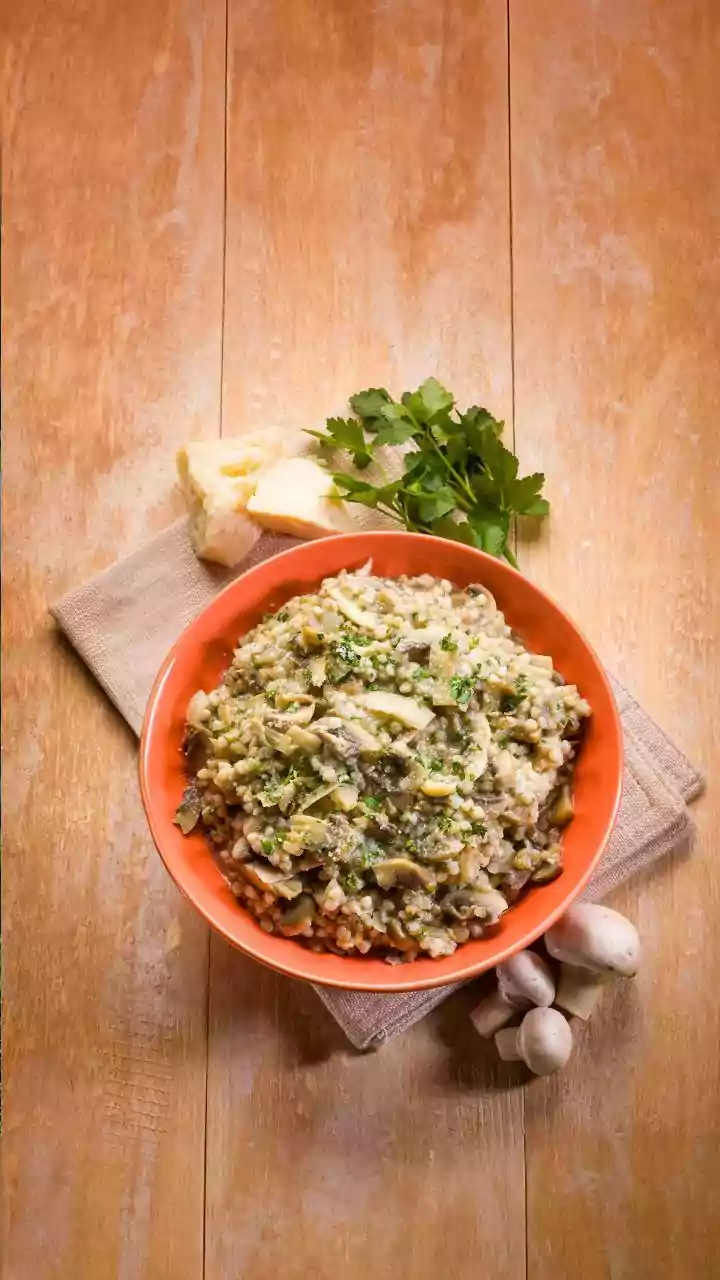
A generous amount of chopped fresh parsley can lift a heavy grain salad, adding brightness and a fresh counterpoint to the earthy flavours of quinoa, farro, couscous, or bulgur. Its clean taste cuts through the richness and prevents the salad from feeling dense. For a Mediterranean-inspired bowl, toss cooked quinoa with a cup of chopped parsley, chickpeas, crumbled feta, cherry tomatoes, and a lemon-tahini dressing. The parsley not only adds flavour but also a wealth of nutrients like vitamins A, C, and K.
The Ultimate Green Goddess Dressing
Green goddess dressing is a classic for a reason: it's creamy, herby, and utterly addictive. While recipes vary, parsley is almost always a key component, providing a fresh, grassy base. To make a simple version, blend a cup of packed parsley with Greek yogurt or a mix of mayonnaise and sour cream, a clove of garlic, a splash of lemon juice or vinegar, and other soft herbs you might have on hand like chives, tarragon, or dill. Some recipes even use anchovy paste for a deeper umami flavour. This dressing is perfect for drizzling over simple greens, as a dip for raw vegetables, or even as a sauce for grilled chicken or fish.
A Zesty and Simple Parsley Vinaigrette
For a lighter option, a parsley vinaigrette is incredibly versatile and easy to make. The basic formula is simple: parsley, acid, and oil. In a blender or food processor, combine a packed cup of fresh parsley leaves, a chopped garlic clove, the juice of one lemon, and a touch of honey or Dijon mustard for balance. While the machine is running, slowly stream in about a third to a half cup of extra-virgin olive oil until the dressing is emulsified but still has flecks of green. This vibrant dressing can be stored in the fridge for about a week and is perfect for perking up any salad.
Quick Tips for Perfect Parsley Prep
To get the most out of your fresh parsley, proper preparation is key. Always wash it thoroughly by swishing it in a large bowl of cold water to let any grit sink to the bottom. The best way to dry the leaves is in a salad spinner, which removes moisture without bruising them. If you don't have one, you can gently pat the parsley dry between layers of paper towels. When chopping, use a sharp knife for clean cuts; a dull knife will bruise the leaves, releasing their flavour onto the cutting board instead of into your dish. For dressings, the stems can be used as they contain a lot of flavour, but for salads, the tender leaves are best.