






The Old Way vs. The New Way
Not long ago, creating a professional online portfolio was a significant hurdle. Freelancers had to either learn complex coding languages or hire expensive web developers, a process that could take weeks and cost thousands of rupees. This created a major
barrier for young talent just starting out. The alternative was often a basic blog or a simple document, which failed to make a strong impression on discerning international clients. Today, the landscape is completely different. The rise of no-code platforms means anyone can create a stunning, functional website using intuitive drag-and-drop interfaces and pre-designed templates. This shift has democratized digital presence, putting the power to build a professional brand directly into the hands of creators.
What Exactly Are No-Code Builders?
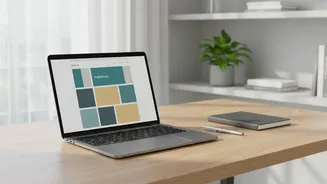
No-code platforms are tools that allow users to build applications and websites through a visual interface, eliminating the need for programming knowledge. Think of it like assembling digital building blocks. Instead of writing code, you select elements like text boxes, image galleries, and contact forms, and arrange them on a page. Platforms like Carrd, Webflow, Squarespace, and Canva have become incredibly popular among freelancers for their simplicity and professional results. Carrd is known for creating sleek, single-page sites quickly and affordably, while Webflow offers more design control for those who want a highly customized look. These tools handle the complex technical work behind the scenes, allowing freelancers to focus entirely on what matters most: showcasing their work and skills.
A Global Showcase on a Budget
The primary advantage of no-code builders is the dramatic reduction in cost and time. Many platforms offer free or highly affordable plans, with premium features like custom domains available for a small monthly fee. This financial accessibility is a game-changer for students and young professionals. Instead of waiting months to save up for a developer, they can launch a professional portfolio in a single afternoon. This speed allows them to react quickly to market opportunities and start bidding for international projects immediately. Furthermore, these platforms level the playing field, enabling a freelancer in a smaller Indian city to present themselves with the same level of professionalism as a creative in New York or London.
More Than Just a Pretty Page
A modern portfolio built with these tools is far more than a static online resume. It's a dynamic engine for business growth. Freelancers can easily integrate compelling case studies, client testimonials, and video introductions. Many no-code builders also offer built-in features for search engine optimization (SEO), helping potential clients discover their work through Google searches. They can also embed contact forms and links to their social media profiles, making it effortless for interested clients to get in touch. Some platforms even allow for the creation of password-protected pages to share specific project details with a single client, adding a layer of professionalism to the proposal process.
The Indian Freelancer's Advantage
This no-code revolution is particularly impactful for India's massive and ambitious young workforce. As businesses globally become more comfortable with remote work, the demand for skilled freelancers is booming. Indian freelancers are using these tools to bypass traditional gatekeepers and connect directly with clients in high-paying markets. While freelance platforms have existed for years, a custom portfolio site allows for stronger personal branding and the ability to command higher rates. It signals a level of seriousness and investment that sets them apart in a crowded marketplace. This trend is fuelling a new wave of digital entrepreneurship, empowering a generation to build global careers from their homes.