







The Scale of India's Food Waste Problem
Every year, a staggering amount of food grown in India never reaches a consumer's plate. Estimates suggest post-harvest losses for perishable items like fruits and vegetables can be as high as 30-50%. This waste, valued at around ₹92,000 crore annually,
is not just an economic drain but a nutritional one. The primary culprits are structural: a lack of adequate cold storage, inefficient transport, and gaps in the supply chain between the farm and the market. This means that despite record harvests, a significant portion of the vitamins and minerals grown on Indian farms are lost before they can provide nourishment.
Enter the Modern Food Processing Plant
This year's World Food Day theme is 'Innovate today. Nourish tomorrow', a concept perfectly embodied by India's growing food processing sector. Modern processing plants are more than just factories; they are sophisticated hubs designed to preserve harvests, enhance nutritional value, and create a stable link between farmers and consumers. By transforming raw produce into products with a longer shelf life—like frozen vegetables, fruit pulp, juices, and dehydrated snacks—these facilities tackle the problem of perishability head-on. This intervention is crucial for converting potential loss into economic value and nutritional security.
Key Technologies Making a Difference
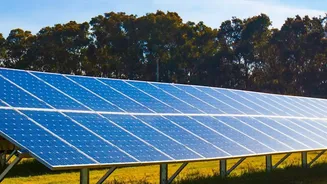
The magic of these plants lies in their technology. Instead of traditional thermal methods that can degrade nutrients, many now use advanced non-thermal techniques. Individual Quick Freezing (IQF), for example, freezes each piece of a fruit or vegetable separately, preserving its texture and taste perfectly. Aseptic packaging allows liquids like milk and juice to be stored for months without refrigeration. Controlled Atmosphere (CA) storage can extend the life of apples from a couple of months to nearly a year. Other innovations like solar-powered cold rooms and portable preservation units are even bringing these capabilities to the village level, directly helping smallholder farmers.
Impact on Farmers and Food Security
For farmers, these processing plants are a game-changer. They create a guaranteed market for their produce, reducing the risk of a market glut or spoilage forcing them to sell at throwaway prices. This direct link to processors often leads to better and more stable incomes. For the nation, the benefits are equally profound. By preventing waste, processing plants increase the overall availability of food. They make seasonal produce available year-round, diversifying diets and helping to combat malnutrition. Moreover, the industry creates significant rural employment, particularly for women, strengthening local economies.
A National Priority: Government and Industry Push
The Indian government has recognized the critical role of this sector and is actively promoting its growth through schemes like the Pradhan Mantri Kisan SAMPADA Yojana (PMKSY) and the Mega Food Park Scheme. These initiatives aim to create integrated 'farm-to-fork' infrastructure, including collection centers, cold chains, and central processing units, across the country. This has encouraged private investment and led to the establishment of dozens of such parks, which act as hubs for hundreds of smaller processing units. The goal is to build a robust ecosystem that minimizes waste, maximizes value, and makes India a global food processing hub.