







The Gut-Immunity Connection
The rainy season's high humidity and increased risk of water contamination create a perfect storm for bacteria and viruses to thrive. This makes our digestive system particularly vulnerable. It might surprise you to learn that approximately 70-80% of your
immune system is housed in your gut. This complex ecosystem, known as the gut microbiome, is home to trillions of microorganisms that play a crucial role in defending your body against pathogens. When the balance of good bacteria in your gut is optimal, your immune system is better equipped to fight off infections. During the monsoon, this balance can be easily disrupted, making you more susceptible to illness.
The Power of Probiotics
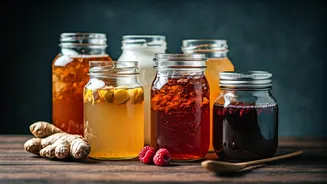
This is where fermented foods and drinks come in. They are natural sources of probiotics—live, beneficial bacteria that help replenish and support the healthy flora in your gut. Probiotics work by modulating your immune responses, helping to maintain a delicate balance between fighting off harmful invaders and avoiding unnecessary inflammation. Regular consumption of probiotic-rich foods can enhance your innate immunity and support the production of natural antibodies, giving your body a helping hand during the challenging monsoon season. Two increasingly popular probiotic drinks that can be great additions to your routine are kombucha and kanji.
Meet Kombucha: The Global Superstar
Kombucha is a fizzy, slightly sweet-and-sour fermented tea that has gained global popularity for its health benefits. It's made by adding a SCOBY (Symbiotic Culture of Bacteria and Yeast) to sweetened tea and allowing it to ferment. The fermentation process creates a beverage rich in probiotics, organic acids, and antioxidants derived from the tea. These compounds work together to support gut health and protect the body from oxidative stress. While some research is still ongoing, the probiotics in kombucha are believed to help increase microbiome diversity, which is a key factor in a robust immune system. You can find many brands of kombucha in stores, but always choose raw, unpasteurised versions to ensure the live cultures are intact.
Discover Kanji: The Desi Gut-Booster
Kanji is a traditional North Indian fermented drink, celebrated for generations for its digestive and immune-supporting properties. It is traditionally made by fermenting black carrots (kali gajar) in water with salt and ground mustard seeds for several days, often in the sun. If black carrots aren't available, beetroot is a common substitute, giving the drink a vibrant colour and earthy sweetness. The fermentation process yields a tangy, savoury drink packed with probiotics, particularly Lactobacillus species. Kanji is not just hydrating but also helps in flushing out toxins and can ease digestive issues like bloating. This homemade elixir is a time-tested way to keep your gut happy and your defences strong.
Kombucha vs. Kanji: What’s the Difference?
While both drinks are excellent sources of probiotics, they have key differences. Kombucha is tea-based, often has a sweeter profile (depending on fermentation time), and is naturally carbonated. It has a more universal, cider-like flavour. Kanji, on the other hand, is vegetable-based, with a distinctly tangy, salty, and savoury taste from the mustard seeds. Its flavour is uniquely Indian. The choice between them often comes down to personal preference. Kombucha might be more approachable for those new to fermented drinks, while kanji offers a familiar, traditional taste for many in India. Both can be made at home, though kanji is arguably simpler, requiring only vegetables, spices, and sunlight.
A Word of Caution
Whether you're buying them or making them at home, quality and hygiene are paramount. When making your own, ensure all jars and utensils are scrupulously clean to prevent harmful bacteria from growing. Start with small quantities to see how your body reacts, as the sudden introduction of a large number of probiotics can sometimes cause mild gas or bloating. For store-bought kombucha, check the sugar content, as some commercial brands can be very high in sugar, which can negate the health benefits. Ultimately, these drinks are not magic cures but are powerful allies when incorporated into a balanced diet and healthy lifestyle, especially during the monsoon.