




The Magic of Monsoon Gardening
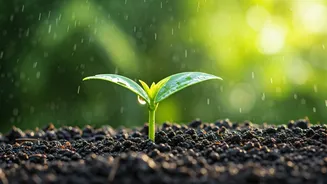
The Indian monsoon is a magical time for plants. The consistent moisture from rain showers means less manual watering, saving you time and effort. [3] Cooler temperatures and high humidity reduce stress on plants, promoting vigorous growth and helping
seeds to germinate more effectively. [3, 7] Rainwater is also naturally soft and free from the chemicals found in tap water, providing the best kind of hydration for your green friends. [10] This season essentially creates a natural nursery, making it the ideal time for beginners and forgetful gardeners to dip their toes into the world of planting. [3, 10] The softened soil also makes tasks like weeding much easier, as roots come out with less resistance. [9]
Hardy Flowering Beauties
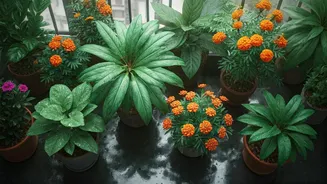
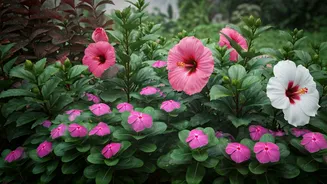
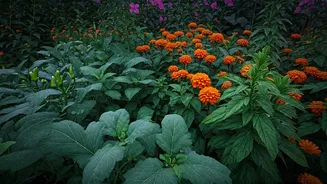
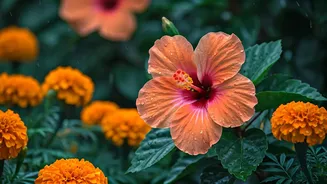
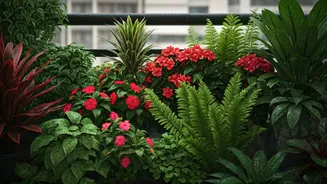
You don’t need a lot of expertise to grow stunning flowers during the rains. Many species thrive with minimal care in India's monsoon climate. Consider the Hibiscus, whose large, bright flowers are a common sight in Indian homes and bloom beautifully in these conditions. [1, 4] Jasmine (Mogra) is another excellent choice, a perennial that flourishes during the monsoon and fills the air with its pleasant fragrance. [4] For a guaranteed splash of colour, Rain Lilies are a must; these bulbs often erupt in vibrant blooms shortly after a downpour. [14] Other forgiving options include the Oleander (Kaner), which blossoms profusely in the rainy season, and the cheerful Marigold. [4, 20]
Effortless Edibles for Your Kitchen
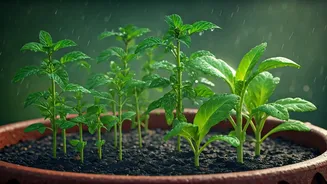
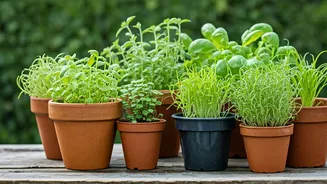
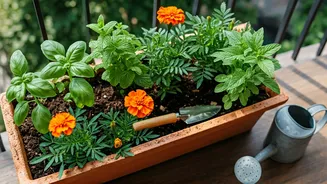
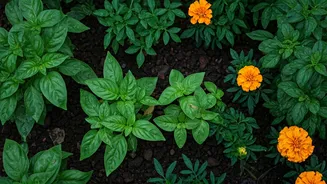
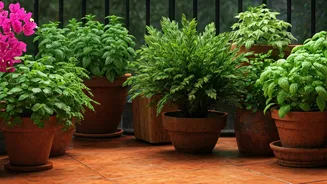
Growing your own food is incredibly rewarding, and the monsoon makes it surprisingly simple. Many herbs and vegetables flourish in the wet and humid weather. [12] Leafy greens like Spinach (Palak) and Amaranth grow quickly in the cooler, damp soil. [12, 15, 19] Herbs such as Mint (Pudina) and Coriander (Dhania) are also perfect for monsoon pots, growing vigorously with the ambient moisture. [15, 19] If you want to try vegetables, Okra (Bhindi), green chillies, and various beans are great for beginners as they are well-suited to the season and can be grown in containers. [6, 12, 22] Even root vegetables like Radish, which can be ready to harvest in just a few weeks, are a great option. [12, 15]
Care Tips for the Forgetful Gardener
The main principle of lazy monsoon gardening is letting nature do most of the work. However, a few simple checks can ensure your plants thrive. The biggest risk is overwatering. Since the rain is frequent, always check the soil before adding more water; if the top inch feels moist, leave it alone. [5, 6, 20] Good drainage is non-negotiable. Ensure all your pots have holes at the bottom so excess water can escape, preventing root rot. [5, 6] You can even place pots on bricks or stands to help water drain away freely. [17] Finally, while pests can be more active in humid conditions, a weekly spray of a natural remedy like neem oil can help keep them at bay without much fuss. [17, 24]
Common Mistakes to Sidestep
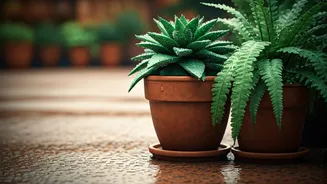
Even with low-maintenance plants, a few common pitfalls can trip up a new gardener. One is overcrowding pots; plants need space for air to circulate, which helps prevent fungal diseases that thrive in damp conditions. [5] Give your plants room to breathe. Another issue is not providing support for climbing plants like beans or some gourds. A simple stake or trellis can prevent them from getting damaged by wind or rotting on wet ground. [18] Lastly, don't forget to do a little tidying. Regularly removing dead leaves or wilted flowers not only keeps your garden looking neat but also prevents them from becoming a breeding ground for pests and disease. [17, 24]