






Your Body's Internal Clock
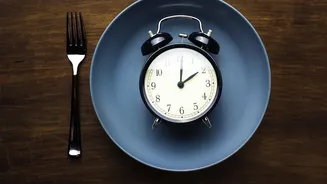
Our bodies operate on a 24-hour internal cycle known as the circadian rhythm. This master clock, located in the brain, doesn't just manage sleep; it also directs a wide array of bodily functions, including digestion. During the day, our digestive system
is primed for action, efficiently producing enzymes and moving food through the gut. At night, these processes naturally slow down as the body prepares for rest. This rhythm means that the gut is most active and ready to handle meals during daylight hours.
How Night Shifts Disrupt Digestion
Shift work forces the body into a state of 'circadian misalignment'— essentially, a conflict between your internal clock and your daily routine. Eating a large meal at 2 a.m. is like ambushing a digestive system that's in sleep mode. This mismatch can lead to a host of uncomfortable symptoms, including bloating, gas, heartburn, constipation, and diarrhoea. Studies show that shift workers have a significantly higher risk of developing gastrointestinal issues like irritable bowel syndrome (IBS). This is because eating at night, when digestion is naturally sluggish, disrupts gut motility and can alter the delicate balance of your gut microbiome.
The Power of Daytime Eating
Recent research highlights a powerful strategy to counteract this disruption: confining your meals to daylight hours. This approach, often called time-restricted eating (TRE), can help realign your digestive system's peripheral clock with your brain's master clock. One key study found that when shift workers ate their meals only during the daytime, they avoided the blood sugar spikes typically seen with nighttime eating. A 6.4% increase in average glucose levels was noted in those who ate at night, a risk factor for diabetes, while the daytime eaters showed no significant change. This suggests that when you eat is just as important as what you eat for metabolic health.
A Practical Meal Plan
Adopting a daytime eating schedule might seem challenging, but it's about shifting your main meals, not fasting entirely. The goal is to consume the majority of your calories when your digestive system is most efficient. Try to have your main, balanced meal an hour or two before your night shift begins. This meal should include lean protein, whole grains, and vegetables to provide sustained energy. During your shift, especially between midnight and 6 a.m., it's best to avoid heavy meals or reduce food intake significantly. If you get hungry, opt for small, light, and easily digestible snacks.
Smart Snacking for Night Shifts
Choosing the right snacks can make a huge difference in your energy levels and digestive comfort. Instead of turning to vending machines filled with sugary and processed options, plan ahead. Good choices for overnight snacking include Greek yoghurt, hard-boiled eggs, a small handful of nuts, fruits like bananas or apples, and vegetable sticks with hummus. These options provide protein and fibre to keep you full without overloading your resting gut. It's also crucial to avoid foods that are fried, spicy, or very high in fat and sugar, as these can trigger indigestion and disrupt your sleep later.
Don't Forget Hydration
Staying hydrated is essential, but it's easy to overlook during a busy shift. Dehydration can worsen fatigue and contribute to constipation. Keep a water bottle with you and sip regularly throughout your shift. While it's tempting to rely on caffeine to stay awake, be mindful of your intake. Too much caffeine can lead to dehydration and may interfere with your ability to sleep when your shift is over. Try to avoid caffeinated drinks in the last few hours of your shift to ensure you can get quality rest.