

The Golden Rule: Avoid Direct Heat
Before we dive into specific methods, it's crucial to understand what not to do. The biggest mistake you can make is exposing wet shoes to high or direct heat. This includes placing them near a heater, in direct sunlight, or using a hairdryer on a high setting.
Intense heat can cause leather to crack and become brittle, weaken the adhesives that hold your shoes together, and even warp the shape of the footwear. Patience is your best tool; slow, natural drying is always the safest path to preserving your shoes.
Immediate Steps for Any Shoe Type
As soon as you get home with drenched shoes, take these initial steps regardless of the material. First, remove any mud or debris by wiping the shoes with a damp cloth. Next, take out the removable insoles and laces; this opens up the shoe and allows air to circulate more freely, speeding up drying. The insoles hold a significant amount of moisture and should be dried separately. Give the shoes a good shake to remove any excess water before moving on to a specific drying method.
The Newspaper Method: A Classic for a Reason
One of the most effective and time-tested techniques involves using old newspapers. Newspaper is highly absorbent and helps draw moisture out from the inside of the shoe while also helping it maintain its shape. Loosely crumple sheets of newspaper and stuff them inside each shoe, making sure to reach the toe area. You can also wrap the outside of the shoes in a dry towel or more newspaper. For very wet shoes, you'll need to replace the damp newspaper with fresh, dry sheets every few hours. This method is safe for almost all materials, but be cautious with light-coloured interiors, as ink can sometimes transfer.
Specific Care for Leather Footwear
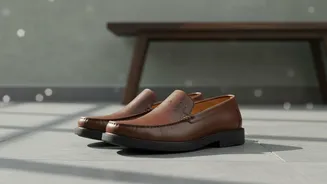
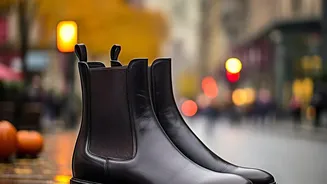
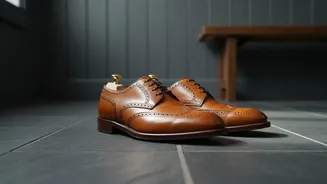
Leather requires special attention because water can strip its natural oils, leaving it stiff and prone to cracking. After wiping them clean, stuff the shoes with newspaper or, even better, insert cedar shoe trees. Shoe trees are excellent as they absorb moisture while perfectly maintaining the shoe's shape. Allow them to air dry at room temperature in a well-ventilated area for at least 24 to 48 hours. Once completely dry, it's essential to apply a quality leather conditioner or cream to replenish the lost oils and restore suppleness.
Handling Delicate Suede and Nubuck
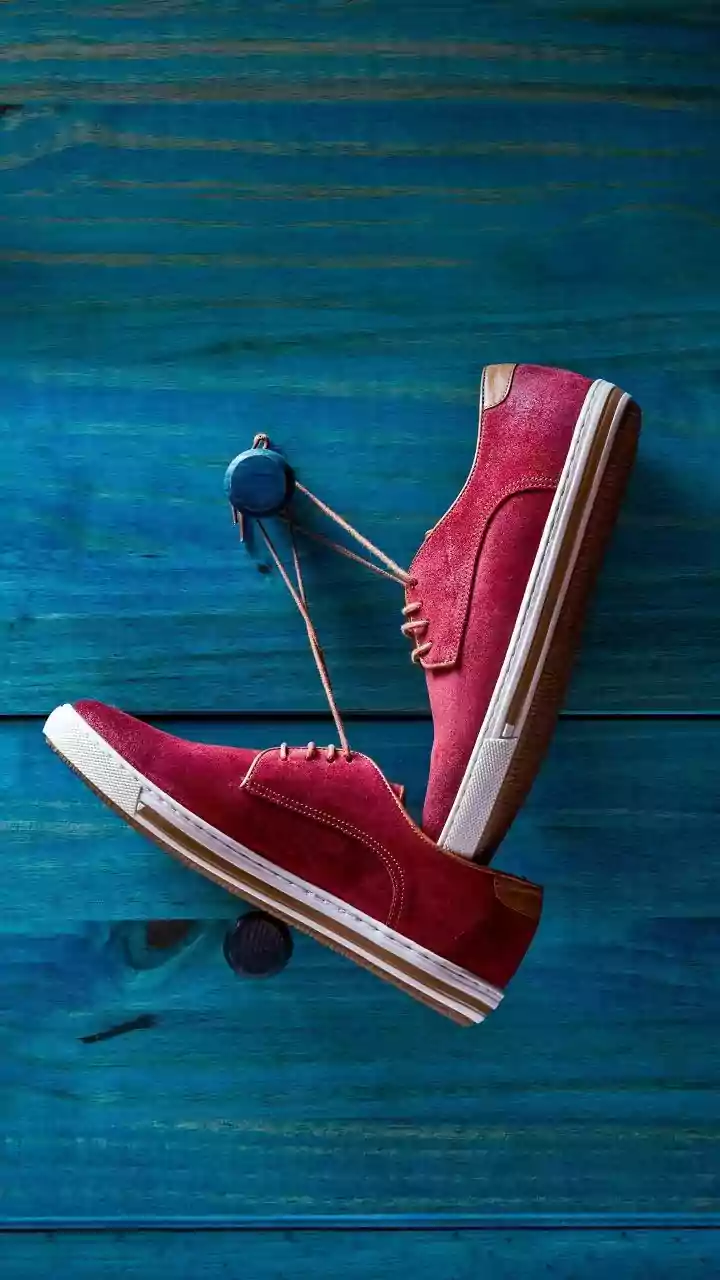
Suede is particularly vulnerable to water, which can stiffen its delicate nap and leave stains. If your suede shoes get wet, act quickly. Gently blot the surface with a clean, dry cloth to absorb as much water as possible without rubbing. Stuff them with paper to hold their shape and let them air dry completely, away from any heat source. This may take a couple of days. Once fully dry, use a dedicated suede brush to gently restore the texture of the nap.
Drying Canvas Sneakers and Sports Shoes
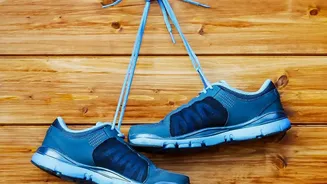
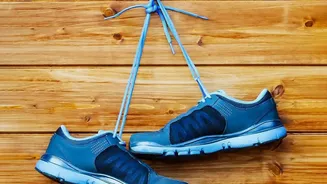
Canvas and other fabric shoes are quite resilient but can develop odours if they remain damp for too long. The newspaper method works very well for these. Alternatively, placing them in front of a fan can significantly speed up the drying process. The constant airflow helps evaporate moisture efficiently without the risk of heat damage. You can even create wire hooks to hang the shoes from the fan's grill, allowing air to circulate inside and out. Ensure they are completely dry before storing to prevent mildew and bad smells.
Dealing with Lingering Odours
Even after drying, dampness can sometimes leave behind a musty smell caused by bacteria. A simple and effective solution is to sprinkle a small amount of baking soda inside each dry shoe and leave it overnight. The baking soda will absorb any remaining moisture and neutralise unpleasant odours. Simply shake or vacuum out the powder the next morning before wearing them.