


A Sip of Ancient History
Before it was a trending latte flavour, matcha was a cornerstone of Japanese culture. Its story begins nearly a thousand years ago, originating with Chinese Zen Buddhist monks who used powdered tea to stay alert during long meditations. A Japanese monk named
Eisai introduced the seeds and preparation methods to Japan in the 12th century. There, it became central to the highly ritualised tea ceremony known as 'chanoyu', which embodies principles of harmony, respect, and tranquility. This deep cultural significance gives matcha an authenticity and sense of tradition that many modern wellness trends lack. It wasn't invented for social media; it was adopted by it.
The Wellness Factor: Calm Energy
One of the biggest drivers of matcha's modern popularity is its unique combination of caffeine and an amino acid called L-theanine. While coffee can sometimes lead to jitters and a subsequent crash, the L-theanine in matcha promotes a state of calm alertness. This amino acid helps the body absorb caffeine more slowly, resulting in sustained energy over several hours without the nervous side effects. Research has shown that L-theanine can help reduce stress, enhance focus, and even improve sleep quality. In an era where consumers are increasingly seeking functional foods that do more than just taste good, matcha's blend of energy and zen is a perfect fit for a health-conscious generation.
Made for the Social Media Age
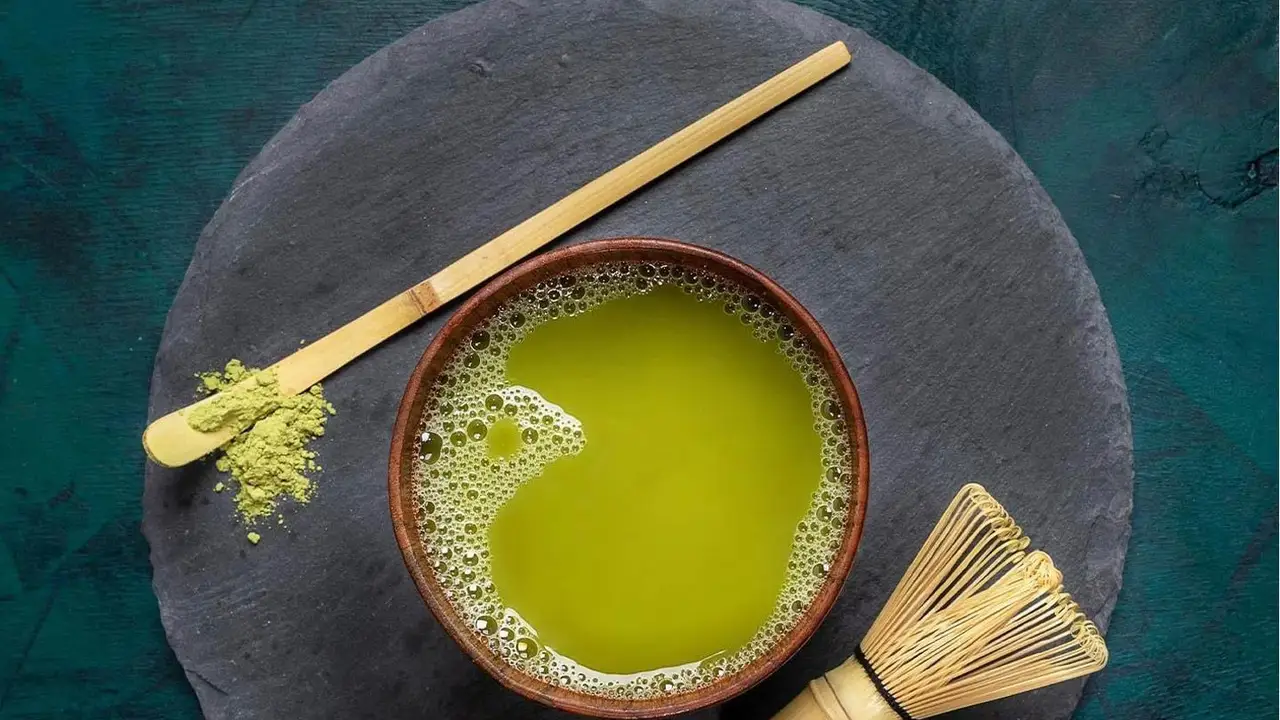
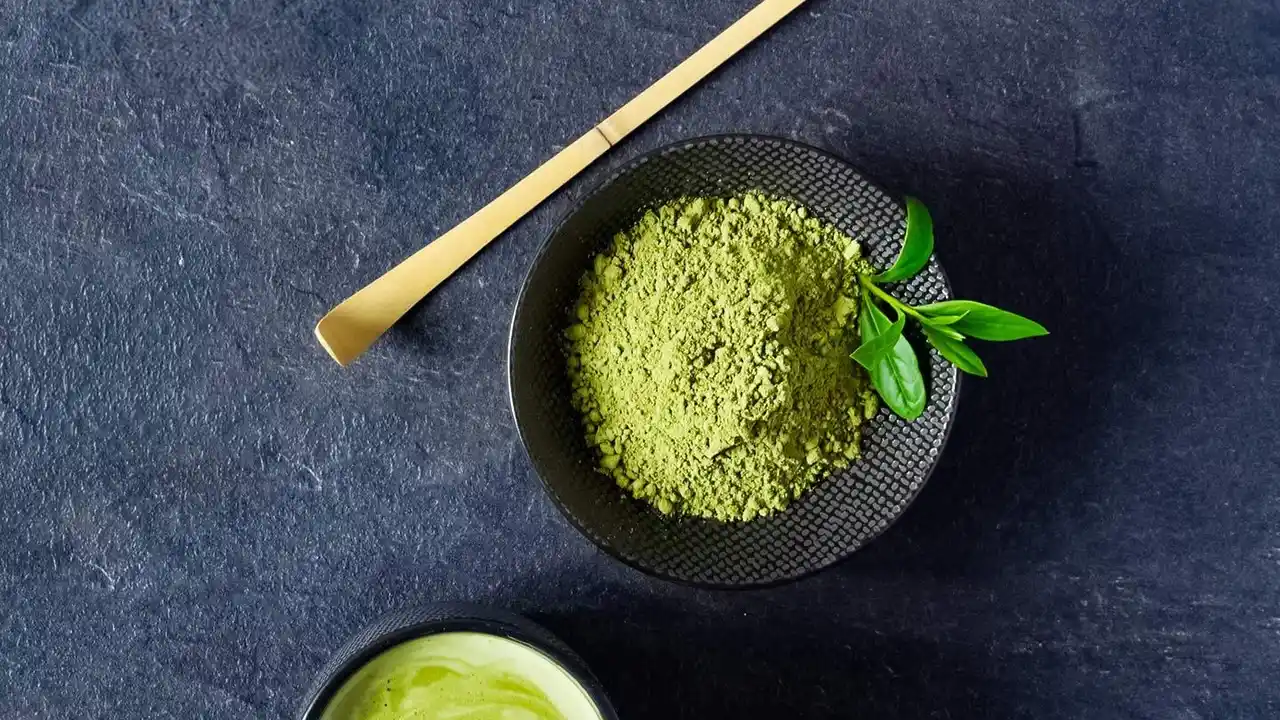
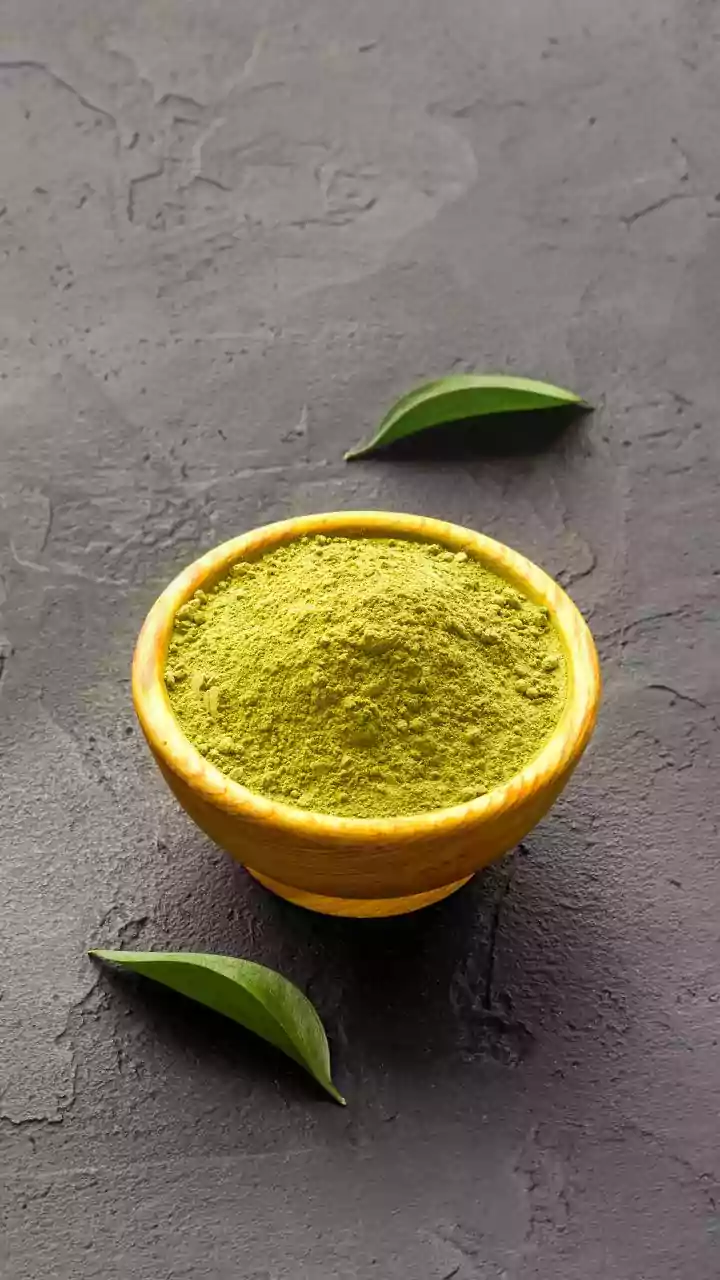
Let’s be honest: matcha is incredibly photogenic. Its striking, vibrant green hue is an instant scroll-stopper on platforms like Instagram and TikTok. The colour is often associated with nature, wellness, and freshness, fitting perfectly into the clean and minimalist aesthetics that dominate social media. The visual appeal makes it a favourite for content creators, from baristas creating mesmerising latte art to home bakers showing off a green-tinted cake. This has turned matcha into more than just a drink; it's a visual symbol of a mindful, calm, and intentional lifestyle. What started as a niche beverage has been propelled into a global cultural moment, thanks in large part to its aesthetic versatility.
Beyond the Latte: Culinary Versatility
While the matcha latte is its most famous modern incarnation, the powder's culinary use goes far beyond a simple beverage. Its unique, slightly earthy and umami flavour profile pairs surprisingly well with both sweet and savoury ingredients. Cafes and restaurants are infusing it into everything from pancakes and ice cream to brownies, cookies, and even pasta dough. This versatility invites creativity in the kitchen, encouraging home cooks and professional chefs alike to experiment. You can find recipes for matcha-seasoned roasted vegetables, salad dressings, and even spice rubs. This adaptability ensures it's not a one-note trend but a flexible ingredient with staying power.