




The Great Urban Burnout
For years, the path to a successful career in India seemingly led straight to a bustling metropolis like Mumbai, Bengaluru, or Delhi. These cities were magnets for ambition, offering jobs, opportunities, and a fast-paced life. But for a growing number
of young professionals, that promise has soured. The reality often involves spending hours in traffic, living in cramped, expensive housing, and dealing with constant noise and pollution. This relentless environment is a perfect recipe for burnout, leaving many feeling drained and disconnected. The very cities that were once symbols of aspiration are now prompting a mass rethink of what a healthy work-life balance should look like.
Enter the 'Workation' Era
The 'workation', a blend of work and vacation, isn't a new concept, but the post-pandemic normalisation of remote and hybrid work models has turned it from a niche perk into a mainstream phenomenon. It allows professionals to trade their city desk for a view of the mountains or the sea, without dipping into their precious paid leave. The concept is simple: work during your regular hours, but spend your mornings, evenings, and weekends exploring a new place, soaking in a different culture, and recharging in nature. This shift is powered by improved digital infrastructure, with reliable internet connectivity now reaching many smaller towns across the country.
The Allure of the Undiscovered
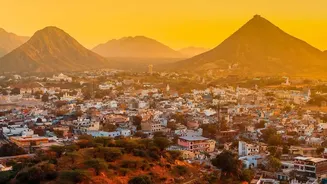
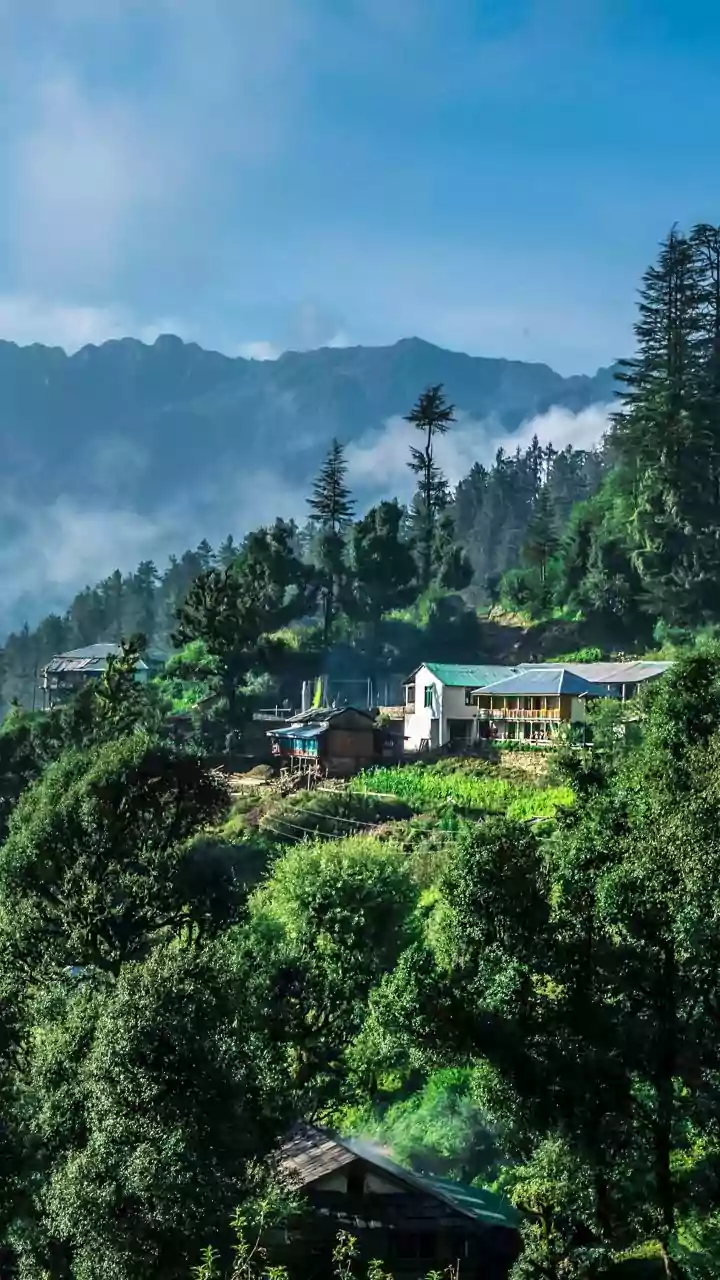
While traditional tourist spots like Goa and Manali remain popular, a significant part of this trend involves seeking out underrated destinations. Young professionals are increasingly drawn to the tranquillity of lesser-known towns in states like Himachal Pradesh, Uttarakhand, Kerala, and even the Northeast. The appeal is multi-fold. The cost of living is significantly lower, meaning salaries stretch further. The pace of life is slower, offering a much-needed antidote to city-induced anxiety and improving mental well-being. There's also the draw of authentic experiences—exploring local markets, trying regional cuisines, and connecting with communities in a way that a typical week-long holiday rarely allows.
A Boost for Small Town Economies
This migration, even if temporary, is creating a positive economic ripple effect in these small communities. The influx of remote workers boosts local businesses, from homestays and cafes to local artisans and food suppliers. Homestays in villages and smaller towns are finding a new, consistent stream of revenue. This trend helps distribute economic benefits beyond the congested urban hubs, fostering entrepreneurship and creating jobs in regions that have historically seen residents leave for opportunities elsewhere. In some cases, these visiting professionals even engage in informal skill-sharing, helping locals with digital tools and marketing.