



What is a 'Slow Honeymoon'?
Imagine a honeymoon where the goal isn’t to see everything, but to truly experience a few things deeply. That’s the essence of a slow honeymoon. It’s a conscious rejection of ‘Instagram-spot hopping’ in favour of lingering in one place, fostering genuine
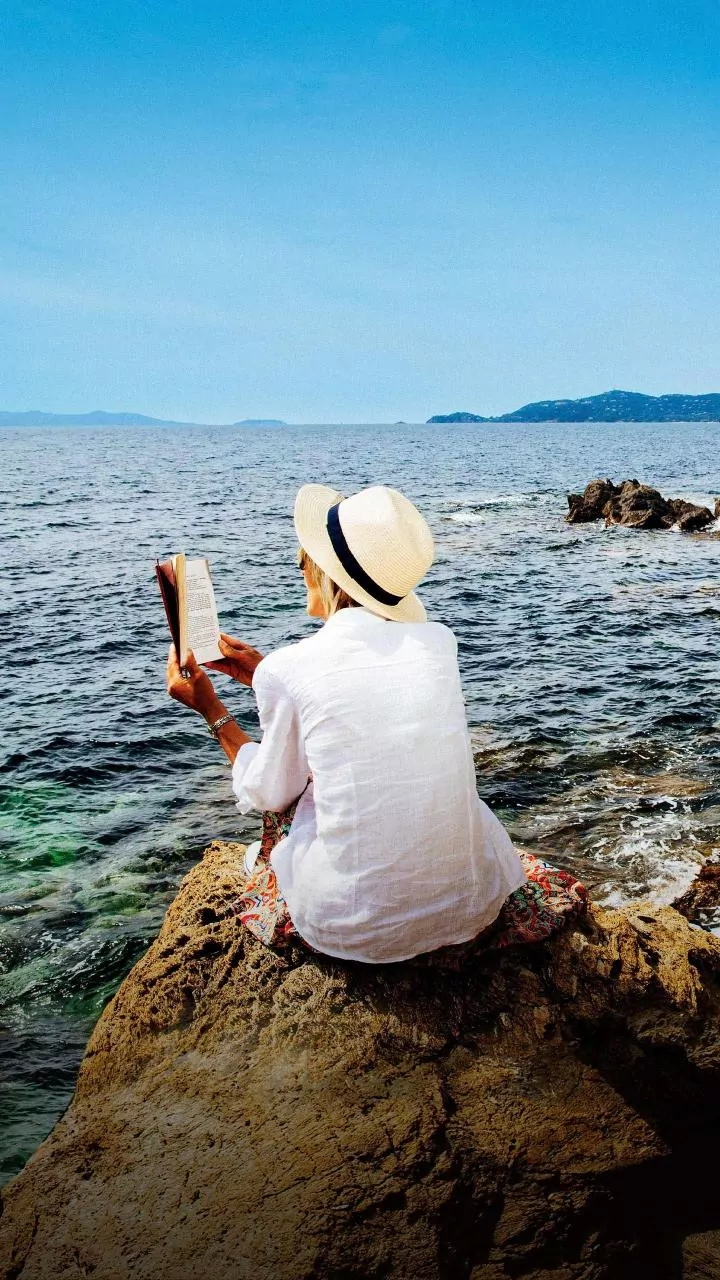
connections with the local community, and minimising your environmental footprint. For couples starting a life together, it’s more than a vacation; it’s an intentional act that sets the tone for their shared future. It prioritises presence over productivity, allowing time for spontaneous discovery—whether it’s an unplanned conversation with a village elder, an afternoon spent reading in a hammock, or simply watching the sun rise over a rice terrace without needing to rush to the next activity.
Beyond the South: Choosing Your Base
The typical Bali trip often revolves around the bustling southern corridor of Kuta, Seminyak, and Canggu. A slow honeymoon, however, thrives in the island's quieter corners. Couples are increasingly looking north and east for their romantic escapes. Consider the highlands around Munduk, where misty mornings reveal clove plantations and stunning twin lakes. Or the Sidemen Valley in East Bali, often described as 'Ubud 20 years ago,' with its emerald-green rice paddies cascading down hillsides. These regions offer a more authentic glimpse into Balinese life. By choosing to stay in these less-saturated areas, couples not only find peace but also help distribute tourist spending more evenly across the island, supporting communities that don't always benefit from the main tourist boom.
Immersive and Mindful Experiences
A slow honeymoon’s itinerary is defined by its quality, not quantity. Instead of a packed schedule, couples are opting for single, meaningful activities that foster learning and connection. This could mean taking a multi-day silversmithing course in a village near Ubud, learning the art of batik printing from a local family, or participating in a farm-to-table cooking class that begins with foraging for ingredients in a permaculture garden. Other popular choices include guided treks that explain the ancient ‘Subak’ irrigation system—a UNESCO World Heritage site—or volunteering for a day at a local sea turtle conservation project. These aren't just photo opportunities; they are immersive experiences that create lasting memories and a deeper appreciation for Balinese culture and nature.
Conscious Stays and Sustainable Dining
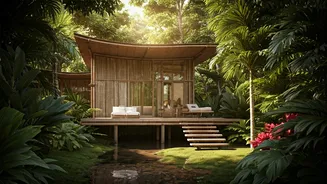
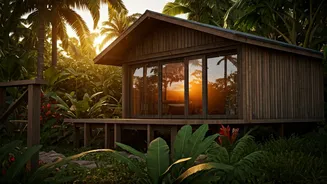
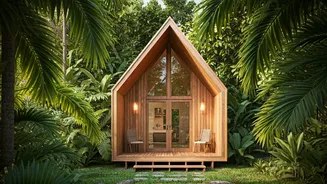
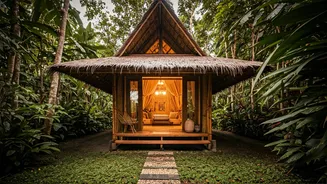
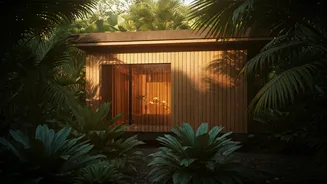
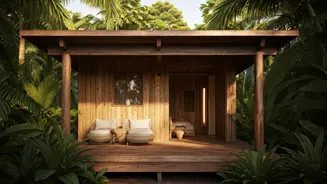
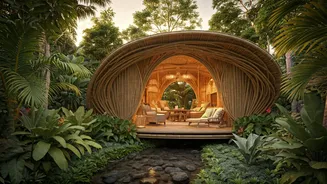
Where you stay and eat becomes a central part of the sustainable journey. The island is now home to a growing number of accommodations built on eco-friendly principles. These range from stunning bamboo villas that blend seamlessly into the jungle to community-owned guesthouses and boutique eco-lodges that use solar power, harvest rainwater, and manage their own waste. On the food front, the slow travel movement champions eating locally. This means skipping the international chains and seeking out family-run ‘warungs’ for authentic Balinese flavours. It also involves supporting the burgeoning farm-to-table scene, where restaurants work directly with local farmers to create menus based on seasonal, organic produce. This approach not only guarantees fresh, delicious meals but also supports the local agricultural economy.
The Art of Traveling Gently
Ultimately, a slow and sustainable honeymoon is a mindset. It begins before you even pack your bags. It’s about choosing to pack light, bringing reusable water bottles and coffee cups to reduce plastic waste, and opting for reef-safe sunscreen to protect the island's delicate marine ecosystems. Once in Bali, it means being a respectful guest. This involves dressing modestly when visiting temples, learning a few basic phrases in Bahasa Indonesia (‘terima kasih’ for thank you goes a long way), asking for permission before photographing people, and being mindful of water and electricity consumption. It’s about leaving a place better—or at least no worse—than you found it, ensuring Bali’s magic remains for generations to come.