




The Energy Efficiency Paradox
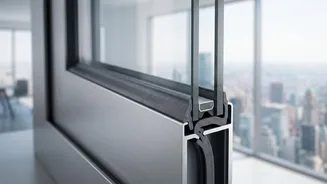
For decades, the goal in home construction has been to make houses as airtight as possible. Using high-performance insulation, sealed windows, and advanced building techniques helps prevent expensive heated or cooled air from escaping. This is great for reducing
energy bills and improving comfort. The unintended consequence, however, is that this practice also stops fresh air from getting in. Older homes were often 'leaky', allowing a natural exchange of air through small gaps and cracks. Modern homes are so well-sealed that without a plan for ventilation, they can trap pollutants inside, leading to indoor air that can be two to five times more polluted than the air outdoors.
Where Do Indoor Pollutants Come From?
The sources of indoor pollution are surprisingly common and found in nearly every household. They release gases and particles into the air through a process called 'off-gassing'. Major culprits include Volatile Organic Compounds (VOCs), which are chemicals that easily become gases at room temperature. These are emitted from new furniture, carpets, paints, and even mattresses. Everyday activities also contribute significantly. Cooking releases smoke and particulates, cleaning products and air fresheners emit chemicals, and even breathing releases carbon dioxide and moisture. Other pollutants can include dust mites, pet dander, mould spores from damp areas, and secondhand smoke.
The Health Risks of Trapped Air
When these pollutants build up, they can have a noticeable impact on your health. This can range from short-term issues to chronic conditions. Many people experience what is known as 'Sick Building Syndrome' (SBS), with symptoms like headaches, dizziness, fatigue, nausea, and irritation of the eyes, nose, or throat. A key sign of SBS is that symptoms tend to improve soon after leaving the building. Long-term exposure to poor indoor air quality is more serious and can contribute to the development or worsening of respiratory diseases like asthma, heart disease, and even lung cancer. Children and individuals with existing health conditions are especially vulnerable to these effects.
The Solution: Ventilation Is Key
If sealing a home creates the problem, ventilation is the solution. But you don't have to sacrifice all your energy savings. The most effective approach in a modern, airtight home is a balanced mechanical ventilation system. These systems, known as Heat Recovery Ventilators (HRVs) and Energy Recovery Ventilators (ERVs), are designed to continuously exhaust stale indoor air and bring in fresh outdoor air. The 'recovery' part is what makes them so efficient. As they push the stale, conditioned air out, they transfer its heat (in an HRV) or both its heat and moisture (in an ERV) to the incoming fresh air. This pre-warms the incoming air in winter and pre-cools it in summer, providing fresh air without a major energy penalty.
Practical Steps for Cleaner Indoor Air
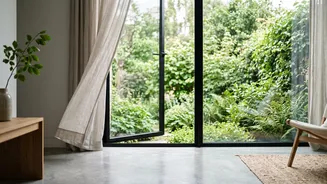
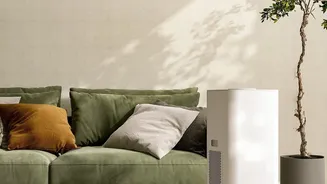
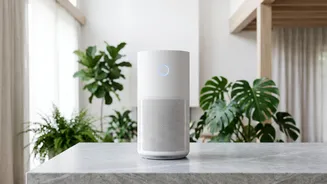
Beyond installing a full ventilation system, there are several simple habits you can adopt to improve your home's air quality. Periodically opening windows and using exhaust fans in kitchens and bathrooms are crucial for removing pollutants from cooking and moisture from showers. When buying new furniture, paint, or building materials, look for products labelled as 'low-VOC' or 'zero-VOC'. If possible, let new items like carpets or furniture 'air out' in a garage or well-ventilated space before bringing them inside to allow the initial, most intense offgassing to dissipate. Using portable air purifiers with HEPA filters can also be effective at removing particles from the air in specific rooms.