



The Science of Monsoon Skin Issues
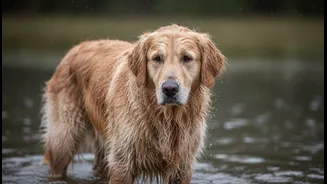
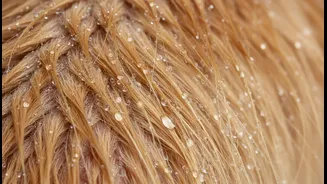
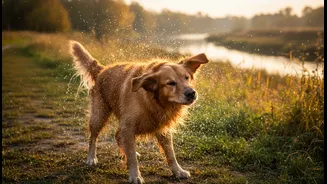
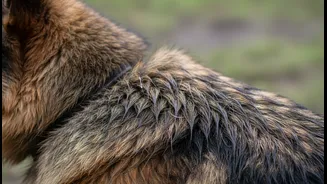
The combination of high humidity and frequent rain in India creates a challenging environment for canine skin health. When a dog's coat, especially a long and dense one, gets wet and isn't dried properly, the trapped moisture creates a warm, humid micro-environment
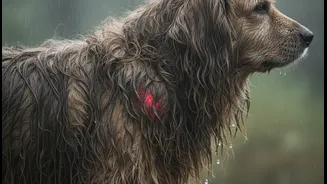
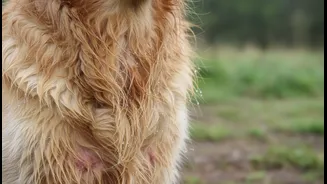
right against the skin. This is an ideal breeding ground for bacteria and yeast that are normally present on the skin to multiply uncontrollably, leading to infections. Conditions like acute moist dermatitis, also known as 'hot spots', and pyoderma (a bacterial skin infection literally meaning 'pus in the skin') become incredibly common. Long-haired breeds such as Golden Retrievers, German Shepherds, and Shih Tzus are particularly at risk because their thick coats take longer to dry and provide better insulation for bacterial growth.
The Drying Doctrine: A Non-Negotiable Rule
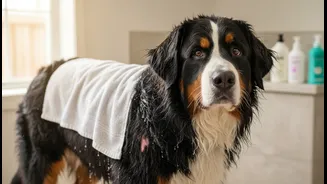
The single most important preventive measure you can take is to dry your dog thoroughly after every single exposure to rain or moisture. Letting your dog air-dry is not an option during the monsoon, as this is precisely what allows infections to take hold. Start with a highly absorbent microfiber towel, paying special attention to the paws, underarms, belly, and any skin folds, as these areas trap the most moisture. For dogs with thick or long coats, this is often not enough. Follow up with a blow dryer on a low-heat, low-speed setting. This ensures the undercoat, right down to the skin, is completely dry. A non-negotiable post-walk drying station at your door can make this a manageable and effective routine.
Strategic Grooming for the Rainy Season
Your grooming routine needs to adapt to the season. Daily brushing is essential to prevent matting, which can trap moisture and debris against the skin. Brushing also helps with air circulation through the coat. For long-haired breeds, consider a 'monsoon trim'. Keeping the hair shorter, especially around the paws, belly, and groin, makes drying faster and prevents mud and water from clinging to the fur. When it comes to bathing, less can be more. Over-bathing can strip the skin of its natural protective oils. A bath every two to three weeks with a vet-approved anti-fungal or antibacterial shampoo is generally sufficient, unless your dog gets exceptionally muddy. The key, as always, is to ensure they are dried completely afterwards.
Spotting the Silent Warning Signs
Bacterial skin infections often start silently. By the time a full-blown hot spot appears—a red, moist, painful, and often smelly lesion—the problem has been brewing for a while. Early warning signs are more subtle. Be vigilant for increased scratching, a little extra paw licking, or a persistent musty or cheesy odour from the skin or ears. Other signs include redness, small pus-filled bumps (pustules), scaly patches, and flaky or crusty skin. Running your hands through your dog's coat daily to feel for any unusual bumps or stickiness can help you catch these issues before they escalate. Any of these signs warrant closer inspection and potentially a change in your care routine.
Paw Care and Environmental Control
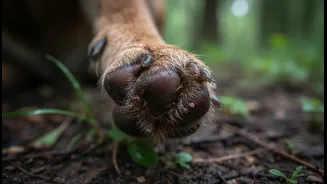
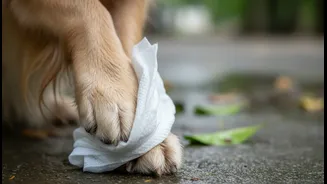
Paws are on the frontline, constantly in contact with wet, muddy, and potentially contaminated surfaces. This makes them highly susceptible to pododermatitis, or inflammation of the paw skin. Clean and dry your dog's paws, especially between the toes, after every walk. Trimming the hair between the paw pads is crucial to prevent debris and moisture from getting trapped. Inside the home, keeping your dog's environment clean and dry is equally important. Wash their bedding frequently in hot water and ensure it is thoroughly dry. Using a dehumidifier can help reduce the overall humidity in your home, making it a less friendly environment for fungal and bacterial growth.