







Why Data Beats Hype
The allure of a viral travel post is strong, but it rarely tells the whole story. What you don't see are the crowds just out of frame, the filters enhancing the view, or the fact that the location might be struggling with overtourism. This phenomenon,
often called the "Instagram effect," can lead to disappointment when reality doesn't match the curated perfection online. Relying on hype means you are following a path set by others, often arriving at a destination that is either overwhelmed by visitors or doesn't align with your actual interests. Official data, on the other hand, empowers you to make proactive, informed choices. It provides a realistic view of a destination, helping you manage expectations, discover genuinely less-travelled paths, and travel more consciously. For creators and businesses, it's the foundation for building credibility and a sustainable strategy that isn't reliant on the next fleeting trend.
For the Modern Traveller: Your Data Checklist
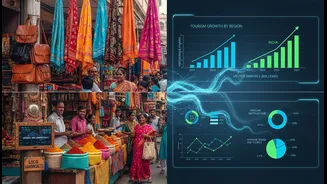
Planning a trip based on facts doesn't have to be complicated. Start by looking at official sources. The Indian Ministry of Tourism's website and its annual reports offer a wealth of information on domestic and international visitor statistics. Globally, the UN World Tourism Organization (UNWTO) provides a data dashboard with key indicators for tourism worldwide. Before you book, check these data points: 1. Visitor Arrivals & Seasonality: Look at monthly arrival data to understand peak and off-peak seasons. This helps you avoid the biggest crowds and potentially find better prices. 2. Source Markets: Knowing where most visitors come from can give you a sense of the travel culture at a destination. India's tourism data, for instance, details the top source countries for foreign arrivals. 3. Average Length of Stay: This tells you if a place is typically a brief stop or a longer-stay destination, helping you plan your itinerary. 4. Official Advisories and Infrastructure Reports: Government sites provide crucial information on safety, new infrastructure projects, and local regulations that can significantly impact your trip.
For the Savvy Creator: Telling Data-Driven Stories
In a world saturated with identical content, data offers a powerful way to stand out. Instead of recreating someone else's viral shot, use data to find a unique narrative. Analyze visitor flow data to uncover emerging destinations before they become mainstream. The Ministry of Tourism’s reports on new initiatives like the development of specific tourist circuits can provide fresh content ideas that serve your audience. Use data to build trust. When you recommend an "undiscovered" spot, back it up. Mention that you visited during a shoulder season identified through tourism statistics, or that official data shows it receives fewer visitors than more popular neighbours. This approach moves you from being an 'influencer' to a trusted resource. It also allows you to address topics like overtourism responsibly, perhaps by highlighting alternative destinations with similar appeal but less ecological strain. This data-informed content is not only more original but also more valuable to an audience seeking authentic experiences.
For the Small Tourism Business: A Strategic Edge
For small hotels, tour operators, and local shops, data is a powerful tool for strategy and planning. Tourism statistics provide critical insights into your market. By analyzing where your visitors come from, you can tailor your marketing efforts and services more effectively. For example, if data shows an increase in travellers from a specific country, you might consider adding relevant language options to your website or menu. Visitor data helps with operational planning. Knowing the peak and trough periods allows for smarter staffing, inventory management, and dynamic pricing. Data on visitor length of stay can help you create packages or promotions that encourage longer visits. Reports on the tourism sector's contribution to GDP and employment highlight the industry's importance and can be valuable when seeking partnerships or support. In India, where MSMEs dominate the tourism landscape, using readily available data from government portals can provide a competitive advantage and help convert high visitor volumes into better business value.