






Stop Leaks at the Source
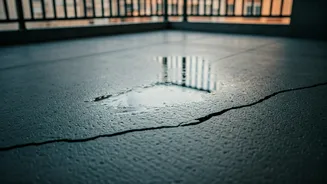
Your home's first line of defence against the rain is its exterior. Before the heavy showers begin, walk around your property and inspect the roof and outer walls for any cracks, gaps, or damaged tiles. Even minor cracks can allow water to seep in, leading
to damp patches, peeling paint, and eventually, structural damage. Pay close attention to the terrace, as this is a common area for water to collect and cause leakages. Applying a fresh coat of waterproof paint or sealant to exterior walls and the roof can create a robust barrier against moisture. Similarly, check the sealant around window frames and doors, reapplying caulk where needed to ensure a tight seal against rainwater.
Ensure Clear Drainage
One of the most critical pre-monsoon tasks is to ensure all drainage systems are clear. Blocked drains are a primary cause of waterlogging and flooding around the house. Over time, leaves, dust, and other debris accumulate in gutters, downspouts, and balcony drains. When it rains heavily, this blockage prevents water from flowing away, causing it to pool on your roof or terrace and back up into your home. Take the time to thoroughly clean all drains and gutters. Pouring a bucket of water down each drain can help you confirm they are flowing freely and identify any partial blockages before they become serious problems.
Prioritise Electrical Safety
The combination of water and electricity is extremely dangerous, making electrical safety a top priority during the monsoon. High humidity and water seepage can compromise wiring and increase the risk of short circuits, electric shocks, and even fires. Before the rains, it's wise to have a qualified electrician inspect your home’s wiring, especially any exposed or old connections. Ensure your home is equipped with a Residual Current Circuit Breaker (RCCB) or Earth Leakage Circuit Breaker (ELCB), which can be life-savers by automatically cutting off power during a fault. Keep electrical appliances away from windows and areas prone to leaks, and never touch switches or appliances with wet hands. During thunderstorms, unplugging non-essential electronics can protect them from power surges caused by lightning.
Combat Dampness and Mould
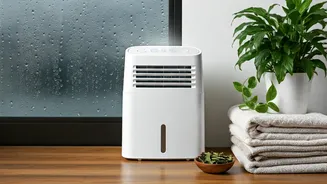
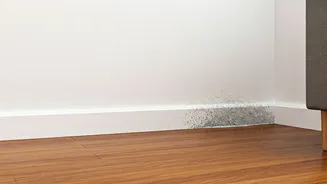
High humidity is a given during the monsoon, creating the perfect environment for mould and mildew to thrive. These fungi not only cause a musty smell but can also trigger allergies and respiratory issues. Proper ventilation is your best defence. Whenever it’s not raining, open windows and doors to allow fresh air to circulate and reduce indoor humidity. Use exhaust fans in kitchens and bathrooms to expel moisture. Placing moisture absorbers like silica gel packs or even bowls of rock salt or charcoal in wardrobes and closed spaces can help keep dampness at bay. For wooden furniture, which can swell and get damaged by moisture, try to keep it a few inches away from damp walls.
Keep Pests Out
The rainy season often forces pests like cockroaches, ants, termites, and mosquitoes to seek shelter and food indoors. Waterlogging in drains and surrounding areas drives them out of their natural habitats and into our homes. A proactive approach is best. Seal any cracks or gaps in walls, floors, and around pipes to block their entry points. Ensure window and door screens are intact. The most significant pest-related health risk during monsoon is mosquito-borne diseases like dengue and malaria. To prevent mosquito breeding, eliminate any stagnant water around your home. Empty water from flowerpot trays, old tyres, buckets, and clean out birdbaths regularly.