



The Philosophy: Ingredient Overlap
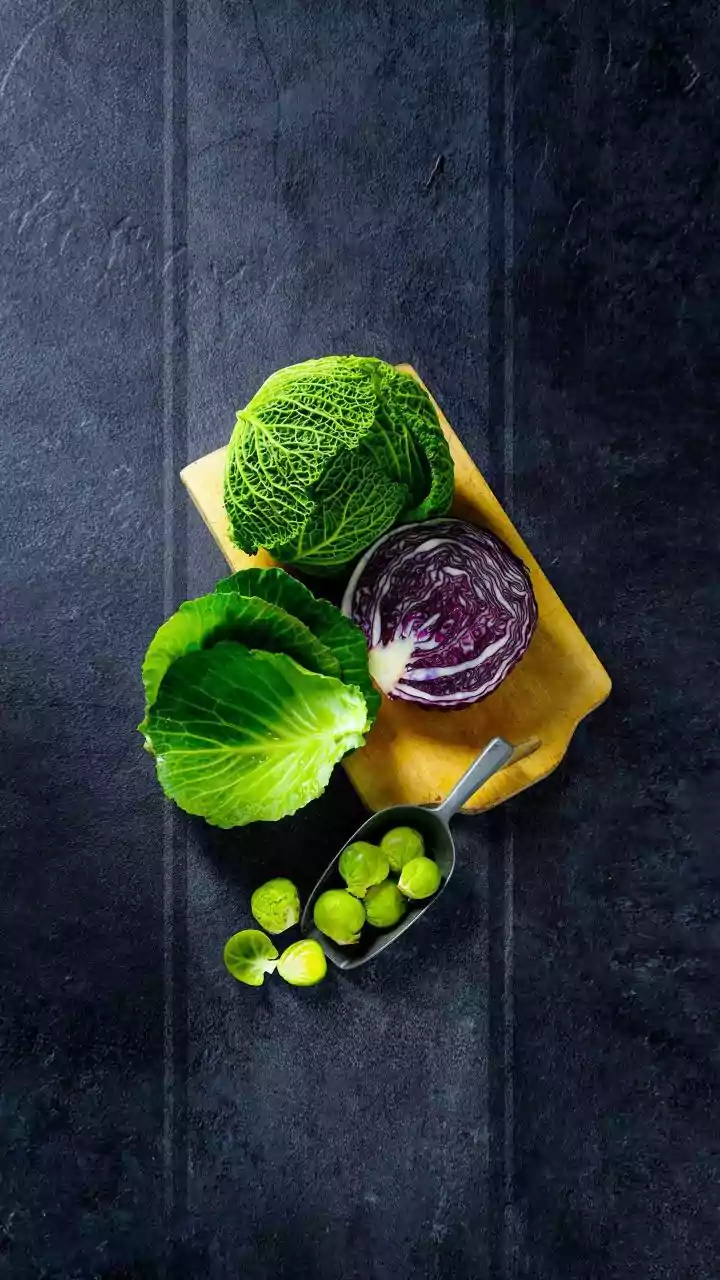
The secret to a streamlined kitchen isn't about cooking five identical portions of dal and rice. It's about 'ingredient overlap'. This strategy involves planning a week of meals that purposefully share a few core components. Imagine buying a whole chicken,
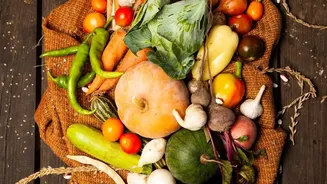
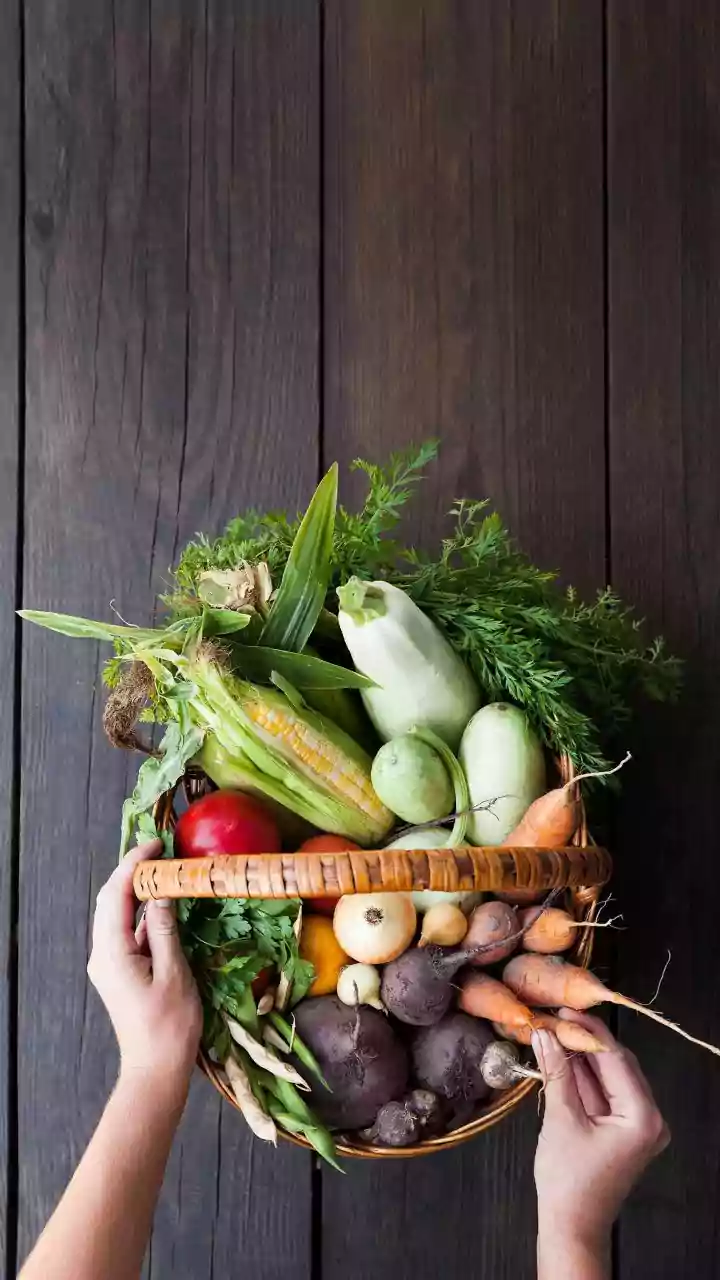
a bag of spinach, and a head of cauliflower. Instead of one huge meal, you now have the foundation for several distinct dishes. The benefits are clear: shorter grocery lists, less food spoilage, and quicker shopping trips. This approach respects both your budget and the effort that goes into producing our food.
Start with Components, Not Complex Recipes
Shift your mindset from 'What specific dish will I make?' to 'What versatile components can I prepare?'. Think of your weekly meal prep as creating a flexible toolkit. Instead of making five complete chicken curries, you might simply cook a large batch of shredded chicken. This neutral base can be transformed throughout the week. One night it goes into wraps with mint chutney, the next it's added to a quick fried rice, and later it can be the protein in a savoury grain bowl. By prepping ingredients—like a big pot of chickpeas, roasted vegetables, or a simple grain—you give yourself the freedom to assemble different meals, not just reheat the same one.
The Art of Transformation
The key to avoiding meal fatigue is transformation. The same base ingredient can taste remarkably different with a few simple changes. A batch of roasted potatoes and carrots can be a side dish on Monday. On Wednesday, they can be mashed with spices to become filling for a dosa or paratha. By Friday, you can toss them into a quick soup with some lentils. The same principle applies to proteins and sauces. A simple tomato base can become a pasta sauce with Italian herbs, a base for shakshuka with cumin and paprika, or a simple curry with the addition of ginger, garlic, and garam masala.
Build a Flexible Weekly Plan
A rigid seven-day plan often leads to waste when life inevitably gets in the way. Instead, plan for just four or five main home-cooked dinners. This builds in flexibility for using up leftovers, grabbing a quick takeaway, or having a 'fridge forage' night where everyone makes a plate from the odds and ends available. When you do your planning, always start by looking at what you already have. Is there half a cabbage or a carton of cream that needs using? Plan a meal early in the week that incorporates it. This simple habit of 'shopping your kitchen' first prevents perfectly good food from being forgotten.
Smart Shopping and Storage
Your shopping list is your roadmap. Once you have a loose plan, group your list by store section to make shopping more efficient. Be specific about quantities where it matters. Instead of just 'chicken', your list might say '1 kg chicken breast' to cover two planned meals. Once you are home, proper storage is crucial. Don't just toss vegetables in the crisper drawer. Store fresh herbs like coriander and mint with their stems in a glass of water, covered with a plastic bag. Keep greens from wilting by wrapping them in a dry paper towel inside a bag. Your freezer is also a powerful tool for stopping time. Freeze leftover bread for breadcrumbs, overripe bananas for smoothies, and vegetable scraps in a dedicated bag to make a flavourful stock later.