



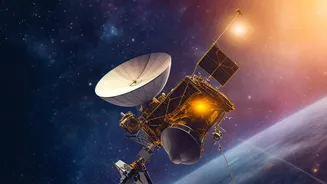

The Sun's Restless Cycle
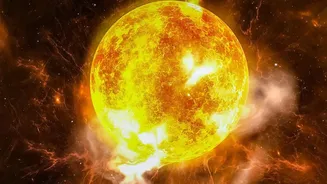
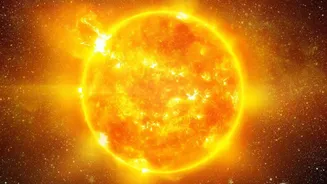
The Sun isn't a constant, unchanging star; it has a heartbeat that pulses roughly every 11 years. This is known as the solar cycle. It swings between a quiet period, called solar minimum, and a turbulent peak, called solar maximum. We are currently in Solar
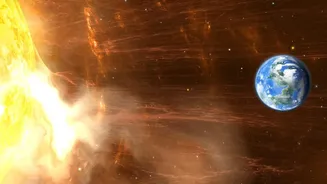
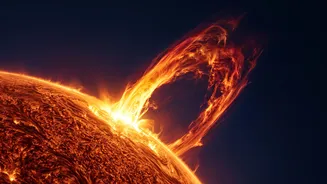
Cycle 25. During solar maximum, the Sun's magnetic field becomes tangled and hyperactive, leading to an increase in sunspots—dark, cool areas on the surface. These are often the launchpads for powerful solar flares and coronal mass ejections (CMEs), which are massive explosions of plasma and magnetic fields from the Sun's outer atmosphere. When these eruptions are aimed at Earth, they can cause significant disruptions.
A Peak Arriving Sooner and Stronger
While the headline notes a 2026 peak, the latest data from scientific bodies like the U.S. National Oceanic and Atmospheric Administration (NOAA) shows Solar Cycle 25 has been more energetic than first predicted. The initial forecast suggested a peak around July 2025. However, activity ramped up much faster, leading to revised predictions placing the maximum phase between late 2024 and early 2025. In fact, activity has already been so high that scientists can only officially identify the exact peak in hindsight, once the number of sunspots clearly starts to decline. For all practical purposes, we are in the midst of this turbulent solar maximum period right now. The threat isn't just a single moment but a plateau of heightened activity that can last for a few years.
How Satellites Get Hit
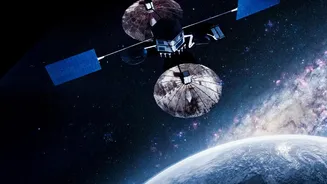
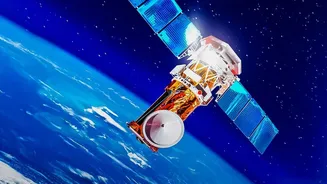
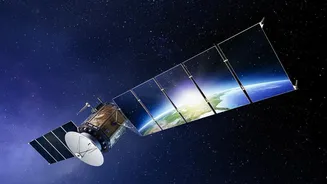
Satellites face a four-pronged attack during a solar maximum. First, for those in low-Earth orbit (LEO), there's increased atmospheric drag. Geomagnetic storms heat the Earth's upper atmosphere, causing it to expand. This denser air acts like a brake, slowing satellites down and causing their orbits to decay faster. A dramatic example was in February 2022, when a geomagnetic storm caused up to 40 newly launched Starlink satellites to be lost because they couldn't overcome the increased drag. Second, energetic particles from solar events can damage a satellite's sensitive electronics, a phenomenon known as radiation damage. This can degrade solar panels, reducing their power output, or cause 'single-event upsets'—phantom commands that can make a satellite malfunction. Third, spacecraft can experience electrical charging on their surfaces, leading to discharges that can damage coatings and circuits. Finally, the very signals used for communication and tracking can be disrupted.
The Domino Effect on Earth
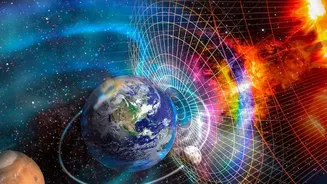
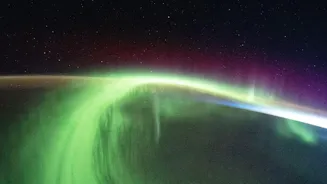
When a satellite falters, the effects are felt on the ground. The most familiar impact is on Global Navigation Satellite Systems (GNSS) like GPS. Solar storms disturb the ionosphere, a layer of the atmosphere that GPS signals must travel through. This can introduce positioning errors of several metres or, in severe cases, cause a total loss of signal. This affects not just the navigation apps on our phones, but also aviation, shipping, and precision agriculture. High-frequency radio communications, used by aircraft and ships, can suffer blackouts. Even our power grids are not immune; strong geomagnetic storms can induce currents in transmission lines, potentially causing damage and outages. Businesses that rely on satellite-based services, from broadcasting to financial transactions timed by GPS, face operational risks.
Shielding Our Eyes in the Sky
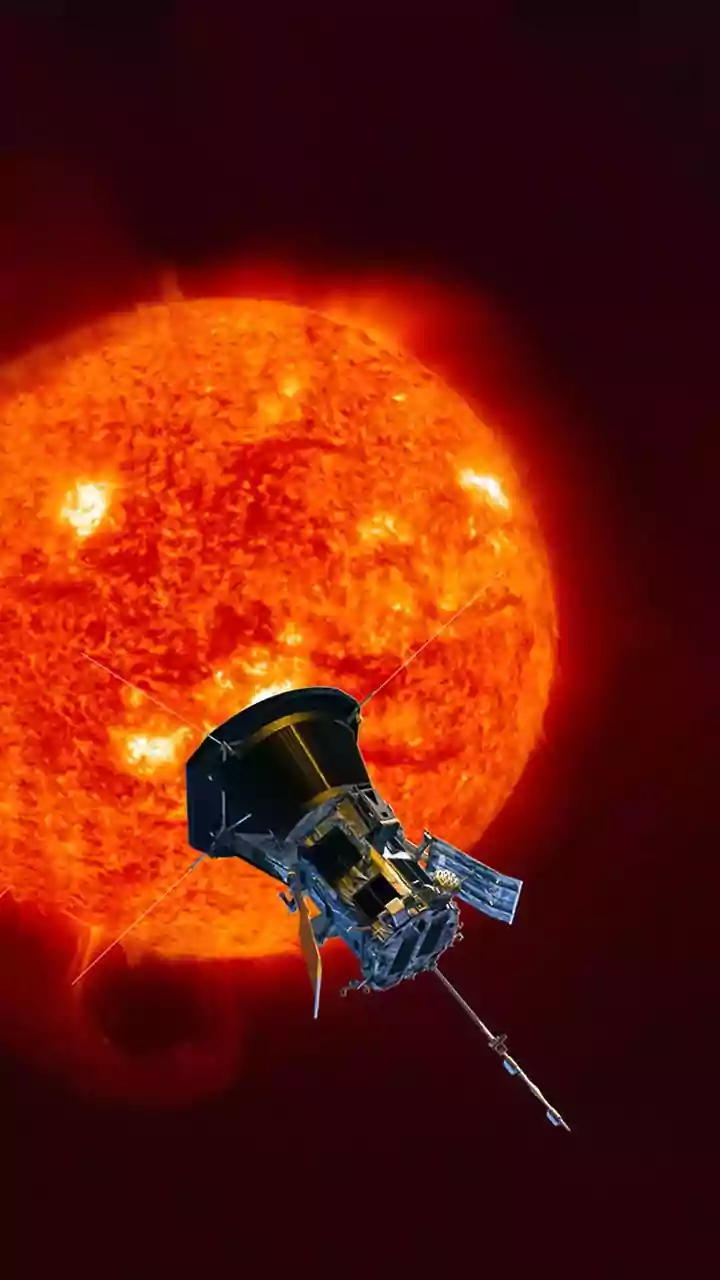
Fortunately, space agencies and satellite operators are not powerless. The Indian Space Research Organisation (ISRO), for example, actively monitors space weather to protect its assets. During a major storm in May 2024, ISRO's Master Control Facility took precautionary measures, like deactivating certain sensors, to safeguard India's fleet of over 30 geostationary satellites. India's Aditya-L1 mission, launched in 2023, is dedicated to studying the Sun and will improve our ability to forecast such events. Other mitigation strategies include building more robust satellites with hardened electronics and better shielding. Satellite operators can also make real-time operational adjustments, such as temporarily putting a satellite into a protective 'safe mode' or using onboard thrusters to correct orbits affected by atmospheric drag. These proactive measures are crucial for maintaining the reliability of the services we depend on.