




The Race Against Fading Ink
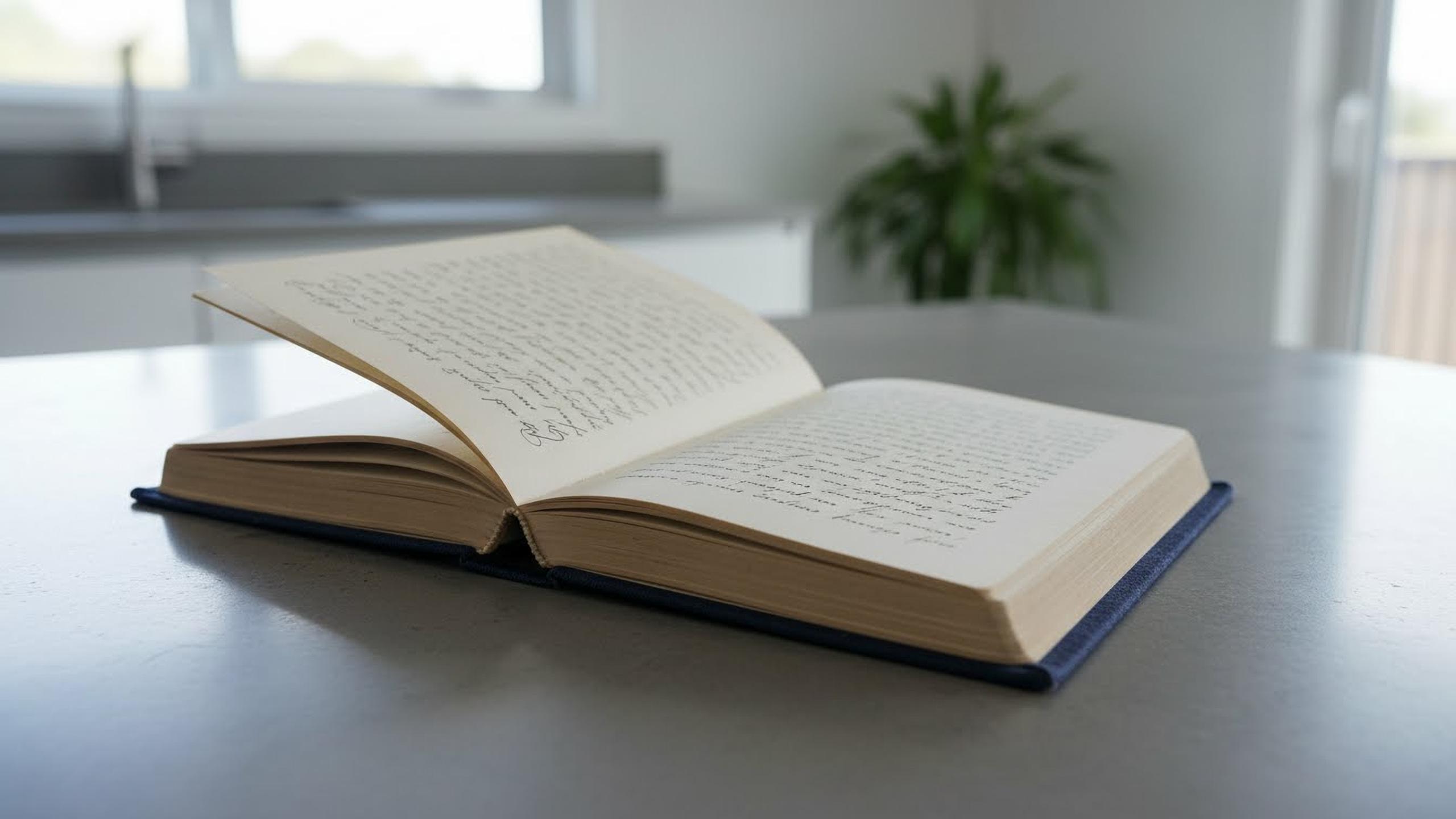
Every family has them: dog-eared diaries filled with a grandmother's spidery script, detailing recipes passed down through generations. These are more than just instructions; they are cultural artifacts, capturing the essence of a time, place, and family.
For food bloggers and culinary historians in India, these notebooks are a treasure trove of rare regional dishes, many of which exist only in these analog forms. The challenge is immense. Handwriting styles vary wildly, pages are often stained or torn, and regional dialects and ingredient names can be obscure. Manually transcribing these is a painstakingly slow process, and with each passing year, more of this heritage is lost forever.
Enter Vision AI: A Digital Scribe
This is where Vision AI comes in, acting as a high-tech bridge between the past and the future. At its core, Vision AI is a field of artificial intelligence that trains computers to interpret and understand information from images. The key technology here is a powerful evolution of Optical Character Recognition (OCR). While basic OCR converts printed text into digital words, modern Vision AI, like Google's Cloud Vision API, is far more advanced. It uses complex machine learning models trained on vast datasets, enabling it to recognize and transcribe even messy, cursive, and faded handwriting with surprising accuracy. This isn't just about reading letters; it's about understanding context, just as a human would.
From Scrawled Page to Searchable Text
The process for a food blogger is remarkably simple. It starts with taking a clear photograph of a recipe page with a smartphone. This image is then uploaded to a platform or app using a Vision AI service. The AI gets to work, analyzing the entire image. It identifies the layout, distinguishes text from stains or illustrations, and begins transcribing the handwritten notes. The output is not just a block of text; advanced systems can structure the information, separating the ingredient list from the cooking instructions and identifying quantities and timings. What once took hours of careful typing can now be accomplished in minutes.
More Than Just Transcription
The true power of using Vision AI for this task lies beyond simple transcription. Once a recipe is digitized, it becomes a powerful piece of data. It is now searchable, meaning a blogger can instantly find every recipe that uses a specific rare spice or a particular cooking technique. AI tools can also assist in translating regional dialect terms into more widely understood languages, making the recipe accessible to a global audience. Some platforms even use AI to automatically add nutritional information or suggest modern ingredient substitutions. Crucially, many of these tools allow the original handwritten image to be saved alongside the transcribed text, preserving the sentimental value and the author's personal touch.
Preserving India's Culinary Soul
For Indian food bloggers dedicated to preserving the country's diverse culinary landscape, this technology is a game-changer. It accelerates the mammoth task of creating a digital archive of India's gastronomic history. By digitizing these fragile records, they are ensuring that the recipes for a grandmother’s fish curry from a remote Bengal village or a forgotten royal sweet from Rajasthan are not lost to time. They are creating a living, breathing, and expanding archive that can be shared, cooked from, and built upon by future generations. This fusion of ancient culinary tradition and cutting-edge artificial intelligence is not just saving recipes; it's saving the stories and the heritage that they represent.