








The Arrival of Mission Aagaman
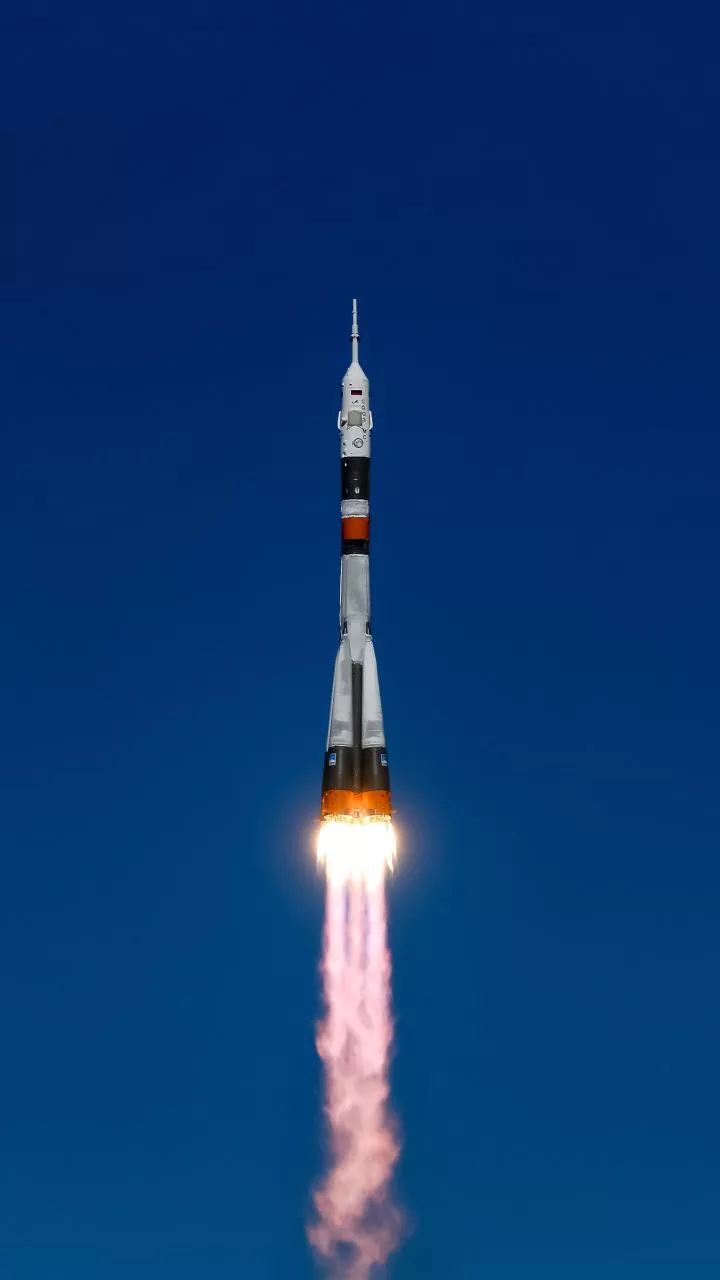
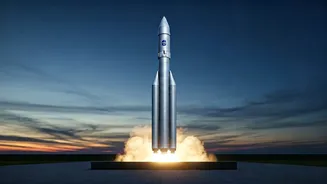
Hyderabad-based startup Skyroot Aerospace is preparing for a landmark event: the maiden flight of Vikram-1, India's first privately designed and developed orbital rocket. Named 'Mission Aagaman', which translates to 'arrival', the launch is scheduled
from the Satish Dhawan Space Centre in Sriharikota. This isn't just another rocket. Vikram-1 is a multi-stage vehicle built with a modern all-carbon composite structure and powered by 3D-printed engines. It’s designed specifically for the booming small satellite market, capable of delivering payloads of up to 350 kg into Low Earth Orbit. This initial flight is primarily a test to gather crucial performance data, but it's also carrying a mix of payloads for domestic and international clients, giving a glimpse into its commercial future. Its success would be the culmination of years of work, following the company's 2022 suborbital test with the Vikram-S rocket.
A Galaxy of Opportunity
For decades, space in India was the exclusive domain of the Indian Space Research Organisation (ISRO). But in June 2020, the government introduced historic reforms, opening the final frontier to private companies. This policy shift was designed to transform ISRO from a primary operator into a facilitator and research leader, allowing private entities to handle commercial launch services. To oversee this transition, the government established the Indian National Space Promotion and Authorisation Centre (IN-SPACe), which acts as a bridge between ISRO and the private sector. It provides startups like Skyroot with access to ISRO’s world-class testing facilities, launchpads, and expertise—a crucial helping hand in a capital-intensive industry. The goal is to build a vibrant ecosystem where private innovation can thrive, turning a government-led program into a national industry.
The 'Cab Service' for Satellites
Think of Vikram-1 as a new kind of taxi service, but for space. The global demand for launching small satellites—used for everything from communication and Earth observation to agricultural monitoring—is exploding. However, these small satellites often have to 'hitchhike' on larger, more expensive rocket missions, leading to long waits and inflexible schedules. Skyroot Aerospace aims to solve this problem by offering a reliable, on-demand launch service. By focusing on smaller payloads, Vikram-1 can provide more frequent and customised flights, a business model that has proven successful for international companies like Rocket Lab. This isn't about competing with ISRO’s heavy-lift rockets like the GSLV; it’s about complementing them and capturing a different, fast-growing segment of the global market. A successful launch makes India a much more versatile player in the commercial space race.
Fueling a New Economic Engine
The Vikram-1 launch is a test for more than just a rocket; it's a test for an entire economic vision. The Indian government has set an ambitious target to grow the nation's space economy from around $8 billion to $44 billion by 2033 and capture a larger share of the global market. This growth won't come from just one or two companies. It relies on building a whole supply chain of hundreds of startups and medium-sized enterprises specializing in everything from software to materials science. The success of pioneers like Skyroot, India's first space unicorn, can ignite a chain reaction, boosting investor confidence and inspiring a new generation of engineers and entrepreneurs. This creates high-value jobs and fosters innovation that can spill over into other sectors like defence, telecommunications, and data analytics.
The Journey Beyond Launch
While the promise is immense, the path ahead is not without its challenges. The Indian private space sector is still in its early days, facing hurdles like securing long-term funding, developing a robust domestic supply chain to reduce reliance on imports, and navigating a developing regulatory framework. The Space Activities Bill, which will provide a comprehensive legal structure, is still awaited. However, the momentum is undeniable. With over 400 private space companies now registered in India, up from just a handful before the 2020 reforms, the industry is buzzing with activity. The launch of Vikram-1 is therefore a critical threshold moment. A successful mission will not just validate Skyroot's technology but will also send a powerful message to the world: India's private space industry has arrived and is ready for business.