






Understanding Your Body's Internal Clock
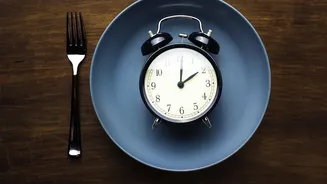
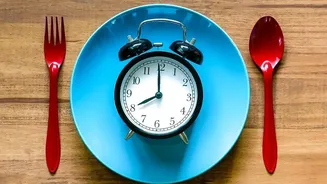
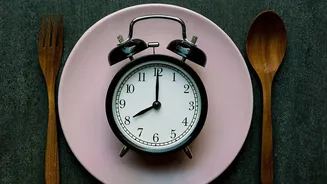
Deep inside your brain is a master clock, known as your circadian rhythm, that runs on a roughly 24-hour cycle. This internal timer governs everything from your sleep-wake cycle to hormone release and, crucially, your metabolism. It is designed to work
in sync with the sun, gearing your body up for activity and eating during the day, and for rest and repair at night. Shift work forces your body into a state of conflict, creating a 'circadian misalignment'. You are awake and working when your body is programmed to be winding down. This constant disruption is a primary reason shift work is linked to a higher risk of metabolic issues, including obesity, type 2 diabetes, and heart disease.
When You Eat Matters as Much as What
This brings us to a field of science called chrononutrition, which studies how meal timing affects health. The core idea is that our digestive system and metabolic processes are not constant throughout a 24-hour period. During daylight hours, your body is most sensitive to insulin and efficient at processing sugars and fats. At night, your metabolism naturally slows down. Eating a large meal in the middle of the night is like asking your digestive system to run a marathon when it is supposed to be asleep. The food is not processed as efficiently, leading to higher blood sugar spikes and increased fat storage over time.
The Daylight Eating Strategy
This is where aligning your meals with daylight becomes a powerful strategy. Major studies have shown that the negative metabolic effects of night work can be significantly reduced by changing meal schedules. In one key study, researchers simulated night work conditions and found that participants who ate meals during the night saw their blood glucose levels rise by over 6%, a clear marker of metabolic stress. However, the group that also worked nights but only consumed their meals during daylight hours showed no such increase. Their bodies handled the metabolic load much better, simply because they ate when their internal clocks were prepared for it. This suggests that confining eating to a daytime window helps keep the body’s various clocks in sync, even when your sleep schedule is inverted.
A Practical Guide for Night Shift Meals
Making this work requires planning, but it is achievable. The goal is to front-load your nutrition during daylight hours and keep nighttime consumption minimal and light. A good schedule might look like this: Main Meal: Eat a large, balanced meal with protein, healthy fats, and complex carbohydrates about an hour or two before your night shift begins. This meal is your main fuel source for the work ahead. Mid-Shift Snack: If you get hungry during your shift, opt for a small, light snack before the halfway point. Think protein-focused options like Greek yogurt, a hard-boiled egg, or a handful of nuts. Avoid sugary, heavy, or fried foods, which can cause sleepiness and digestive upset. Avoid Late-Night Feasts: Try to avoid eating anything substantial between midnight and 6 a.m. This is when your digestive system is at its lowest ebb. Stick to water or herbal tea to stay hydrated. Post-Shift Meal: After your shift, have a small, easily digestible meal before you go to sleep, like oatmeal or a smoothie. Eating a heavy meal right before sleeping can disrupt rest and digestion.