
Our Invisible Reliance on Space
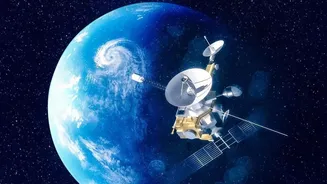
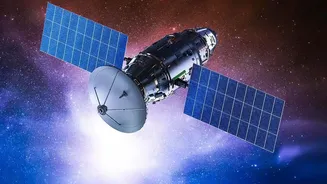
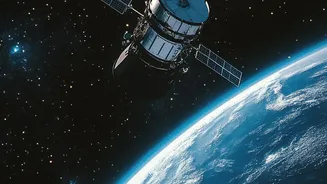
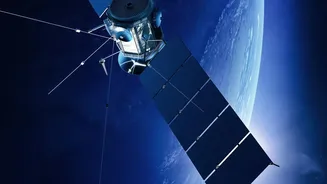
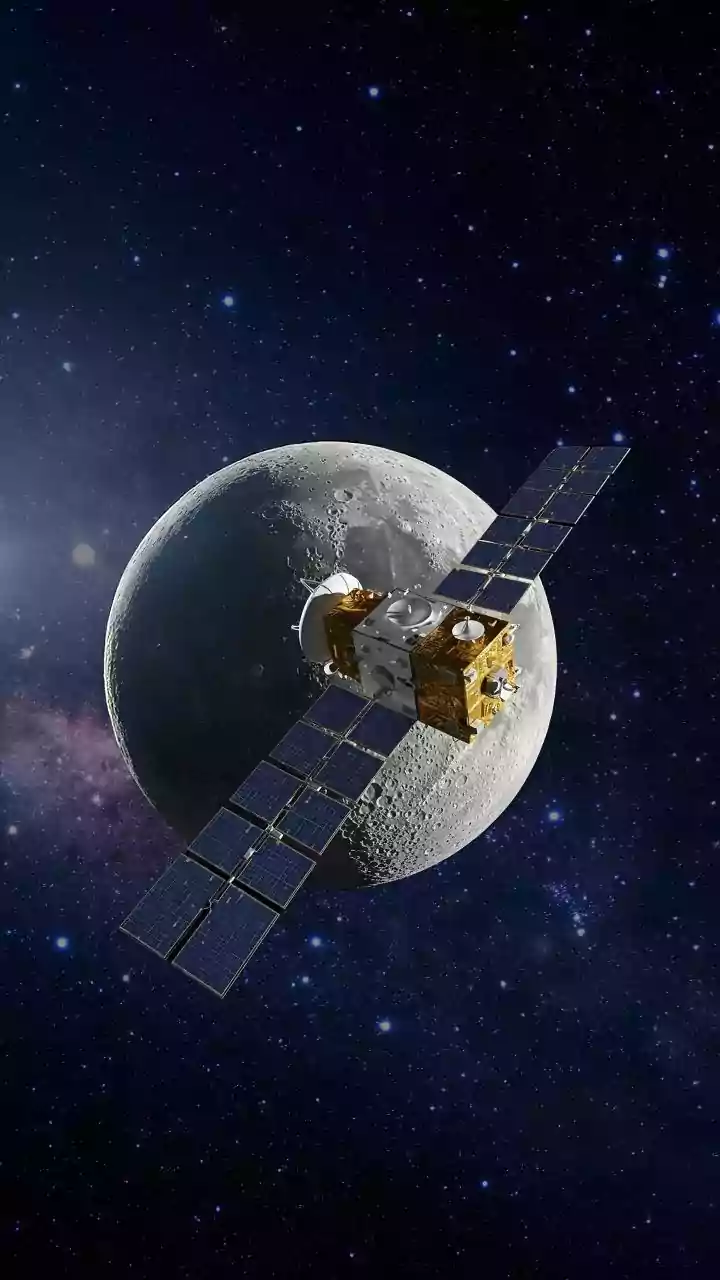
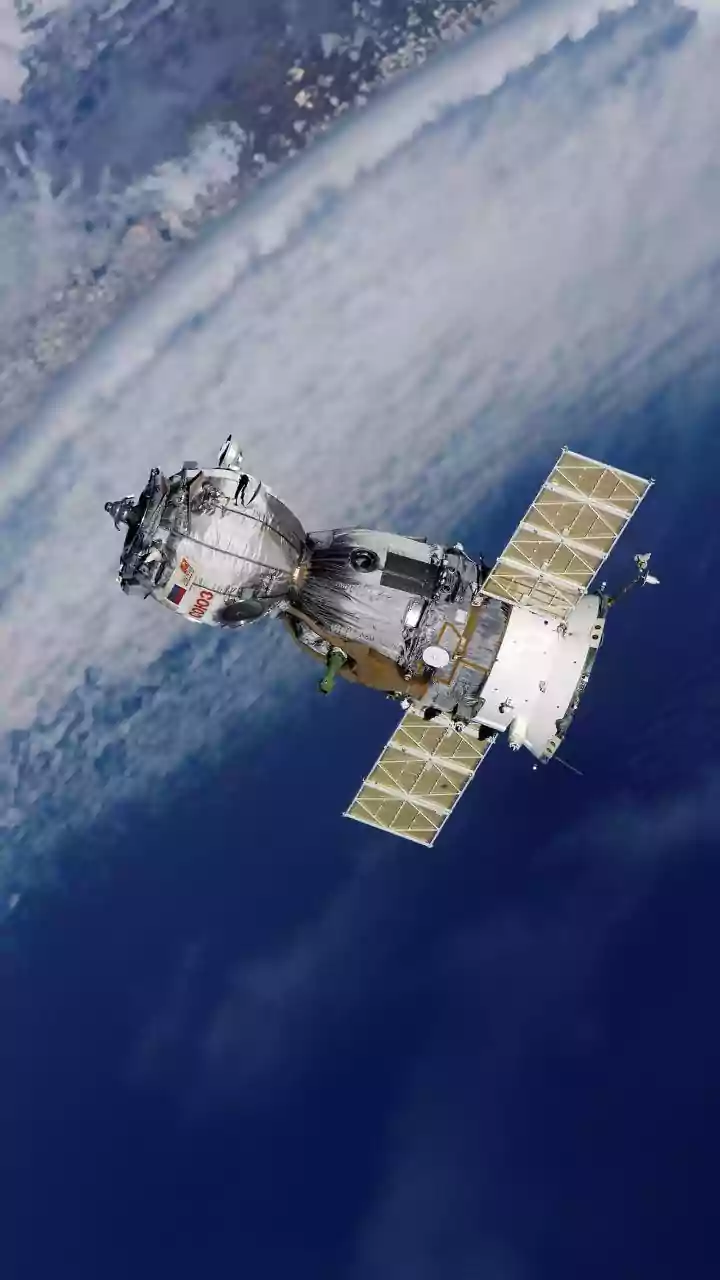
We rarely think about the thousands of satellites orbiting Earth, but our daily lives are deeply intertwined with them. They are the backbone of global communications, navigation systems like GPS, financial networks, and even emergency services. This
orbital infrastructure, however, is vulnerable to temperamental conditions in space driven by the Sun. Known as space weather, these phenomena include solar flares and massive eruptions of plasma called coronal mass ejections (CMEs). When these events interact with Earth's magnetic field and upper atmosphere, they can create significant disruptions for the technology we depend on. The consequences range from degraded GPS accuracy and radio blackouts to, in severe cases, permanent damage to satellite electronics.
The Problem with Plasma Bubbles
One of the most disruptive space weather effects for satellite communications is the formation of Equatorial Plasma Bubbles, or EPBs. These are large, unpredictable pockets of low-density plasma that form in the Earth's ionosphere—the electrically charged upper layer of the atmosphere—typically after sunset around the equator. As signals from satellites pass through these 'bubbles,' they can be scattered or distorted, a phenomenon known as scintillation. This interference can degrade or completely block communication and navigation signals, affecting aviation, maritime shipping, agriculture, and any industry that relies on precise location data. The challenge for scientists and satellite operators has been the day-to-day unpredictability of when and where these bubbles will form.
A Breakthrough in Prediction
Recent research is providing new hope for forecasting these disruptive events. Scientists have developed new models and techniques that promise to give satellite operators more advance warning. One promising approach, developed by India's National Atmospheric Research Laboratory (NARL), uses data from ground-based instruments called ionosondes to detect specific atmospheric conditions that precede the formation of EPBs. By monitoring the upward movement of the ionosphere's F-layer just before sunset, the algorithm can predict the likelihood of a bubble forming with a lead time of about one hour. Other research focuses on applying machine learning and AI to real-time data from satellites to automatically detect the presence of these bubbles, allowing for immediate warnings.
From Research to Real-World Forecasts
The goal is to integrate these new predictive models into operational forecasting systems. Agencies like NOAA's Space Weather Prediction Center (SWPC) are constantly working to improve their models. Upgrades to systems like the Whole Atmosphere Model and Ionosphere Plasmasphere Electrodynamics Model (WAM-IPE) are already extending forecast lead times for geomagnetic storms. The development of open-source models, such as the Aether project led by the University of Michigan, aims to create a collaborative environment where researchers worldwide can refine prediction tools, making them more accurate and accessible. By providing probabilistic forecasts, similar to terrestrial weather reports, these next-generation systems will allow satellite operators to assess risk and take preventative action.
What Better Forecasts Mean for You
Improved space weather forecasting isn't just an academic exercise; it has tangible benefits for everyone. For the aviation industry, it means safer flights with more reliable communication and navigation. For logistics and shipping companies, it ensures that the GPS tracking their fleets rely on remains accurate. With the number of satellites in low-Earth orbit expected to grow exponentially, from a few thousand to potentially 50,000 this decade, the ability to predict atmospheric drag and orbital decay caused by space weather is critical for collision avoidance. Ultimately, more accurate forecasts strengthen the resilience of the global infrastructure that supports our economy and daily activities, from stock market transactions to the weather app on your phone.