


The Star: Lençóis Maranhenses National Park
Imagine walking across a seemingly endless expanse of pristine white sand dunes. Now, picture thousands of crystal-clear, freshwater lagoons nestled between them, their brilliant blues and greens shimmering under the tropical sun. This is not a mirage;
it is Lençóis Maranhenses National Park in the northeastern state of Maranhão. The name translates to the 'bedsheets of Maranhão,' and the landscape truly looks as if a giant has draped flowing white linens across the earth. Declared a UNESCO World Heritage site, it’s a unique ecosystem unlike anywhere else. It’s not a desert; a rainy season from January to June allows an impermeable layer of rock beneath the sand to trap rainwater, creating these temporary pools. The absolute best time to visit is from June to September, when the lagoons are full and the skies are clear. Exploring the park is an adventure in itself, typically done in 4x4 vehicles from the base towns of Barreirinhas or the more rustic Atins and Santo Amaro. From these hubs, local guides lead you on foot into the dunes to swim in lagoons like the famous Lagoa Azul and Lagoa Bonita. The experience is magical: a strenuous, sandy walk up a dune rewarded with a refreshing dip in a warm, impossibly clear pool. For a truly breathtaking perspective, a small plane flight over the park reveals the sheer scale and abstract beauty of this natural masterpiece.
Jalapão State Park, Tocantins
Often called Brazil's 'outback,' Jalapão is a remote and rugged destination for the truly adventurous. Located in the heart of Brazil in the state of Tocantins, this is a place of raw, untouched nature. The landscape is a stunning mix of golden sand dunes reaching up to 30 metres high, vast grasslands, powerful waterfalls, and its most unique feature: the 'fervedouros'. These are natural springs over deep, underground rivers where the pressure is so strong that you can't sink, allowing you to float effortlessly in crystal-clear water. Reaching Jalapão requires a 4x4 vehicle and is best done with a guided tour, usually starting from the city of Palmas. The dry season from May to September offers the most reliable conditions for navigating the dirt roads connecting its many attractions.
Chapada dos Veadeiros National Park, Goiás
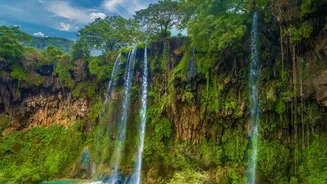
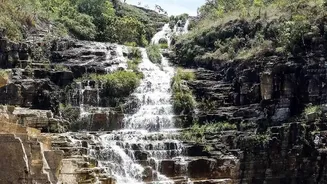
For hikers and lovers of mystical landscapes, Chapada dos Veadeiros is a paradise. Situated on an ancient plateau believed to be one of the most luminous points on Earth when seen from space due to its quartz crystal-rich soil, this park in Goiás state is renowned for its dramatic canyons and hundreds of waterfalls. The park is a hub for spiritual seekers and ecotourists, with trails leading to breathtaking sights like the 120-metre-high Salto do Rio Preto waterfall and the otherworldly Vale da Lua (Moon Valley), where river-worn rocks have been sculpted into moon-like craters. The main bases for exploring are the towns of Alto Paraíso de Goiás and the more bohemian village of São Jorge, right at the park entrance.
Alter do Chão, Pará
Dubbed the 'Caribbean of the Amazon,' Alter do Chão offers a completely different side of the world's largest rainforest. Located on the banks of the Tapajós River, a clear-water tributary of the Amazon, this small village is famous for its stunning freshwater beaches that appear during the dry season (August to December). The most famous of these is Ilha do Amor (Love Island), a pristine sandbar that you can wade out to, surrounded by calm, blue waters. It’s a laid-back, rustic destination where days are spent lounging on the beach, enjoying fresh fish, and taking boat trips to explore the surrounding flooded forests and local communities. It offers a slice of beach paradise deep within the jungle.
Ilha do Mel, Paraná
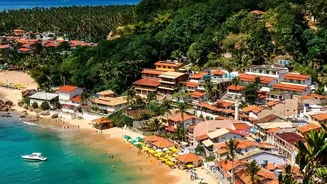
Down south in the state of Paraná lies Ilha do Mel, or 'Honey Island'. This protected ecological station is a car-free haven, where transportation is limited to footpaths and boats. The result is an atmosphere of pure tranquility. The island boasts some of southern Brazil's most beautiful beaches, from the surf-friendly Praia Grande to the calm waters of Praia de Encantadas. Visitors can hike to the 19th-century Farol das Conchas lighthouse for panoramic views, explore a historic Portuguese fort, or simply relax on the pristine sands. The island is a perfect escape for those looking to disconnect and immerse themselves in nature, with a limit on the number of daily visitors to preserve its peaceful environment.