



The Shift from Flat to Tactile
For years, the accent wall has been the domain of bold wallpaper or a single, striking paint colour. It was a visual statement, designed to be seen but not necessarily felt. But interior design is undergoing a sensory shift. We’re moving away from the perfectly
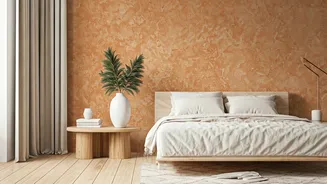
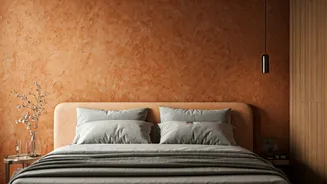
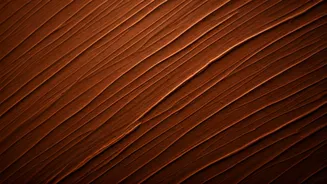
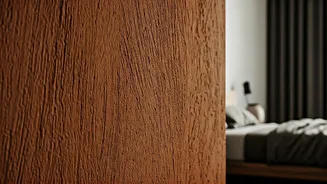
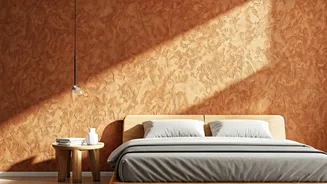
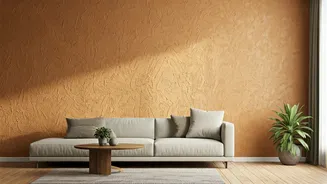
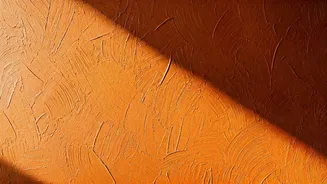
flat and digitally printed, and leaning into materials that tell a story through their imperfections. This new trend is less about applying a pattern and more about creating a mood. A textured terracotta wall doesn't just cover a surface; it gives it life, with subtle variations in shade and a finish that invites touch. It’s a quiet rebellion against the mass-produced, and a return to something more elemental and authentic.
Why Terracotta? Why Now?
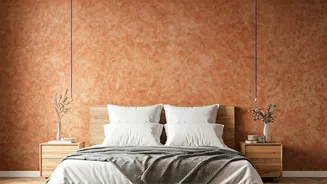
The colour terracotta—a warm, earthy blend of red and brown—has a timeless appeal that feels particularly relevant today. In a world saturated with cool greys and stark whites, terracotta provides an instant sense of warmth and comfort. It’s the colour of sun-baked earth, ancient pottery, and rustic villas, evoking a feeling of calm and grounding. This trend is closely linked to the rise of biophilic design, which seeks to connect our indoor spaces with the natural world. After spending more time at home, many of us are craving environments that feel more like a sanctuary. A terracotta wall, with its rich, natural hue and organic texture, transforms a bedroom from a mere place to sleep into a restorative retreat. It’s a colour that feels both ancient and incredibly modern.
Beyond a Simple Coat of Paint
Achieving this look is more artful than simply rolling on a new colour. The magic is in the material. The most popular methods involve special finishes that create that signature, subtly varied surface. * Limewash: This is a classic for a reason. Made from limestone and natural pigments, limewash penetrates the wall and creates a soft, chalky, matte finish with beautiful, cloud-like variations. As it cures, it interacts with the air, resulting in a unique, living finish. * Venetian Plaster: For a more polished, luxurious feel, Venetian plaster is the answer. Applied in thin, multiple layers and then burnished, it creates a smooth, marble-like surface with incredible depth and movement. * Roman Clay: A newer player, Roman clay offers a plaster-like look with a suede-like feel. It’s a water-based, eco-friendly coating that gives a smooth, seamless, and subtly nuanced finish, perfect for a modern, minimalist aesthetic. * Textured Paints: Many paint companies now offer special effect paints designed to mimic these finishes, making the trend more accessible for DIY enthusiasts.
Wallpaper vs. The Textured Wall
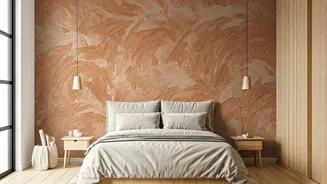
So, is wallpaper truly out? Not at all. But the textured wall offers a different kind of appeal. Wallpaper provides endless possibilities for pattern, narrative, and intricate detail. A bold floral or a quirky graphic can define a room's personality instantly. However, it can sometimes feel decorative rather than integrated. A textured terracotta wall, on the other hand, becomes part of the room’s architecture. Its beauty lies in its organic imperfection; no two limewashed walls are exactly alike. It’s also incredibly forgiving of minor wall flaws, which textured wallpaper can sometimes accentuate. The choice comes down to aesthetics: do you want a story told through a repeating pattern, or through the subtle, elemental language of texture and tone?
How to Embrace the Trend
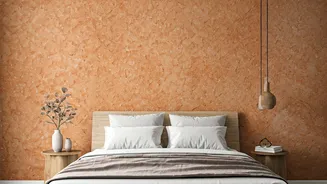
Ready to bring this earthy warmth into your bedroom? You don’t have to commit to a full room makeover. Start with a single accent wall, typically the one behind your bed, to create a stunning focal point. This look pairs beautifully with natural materials like raw wood, rattan, linen, and jute. For a colour palette, think creamy whites, soft beiges, deep olive greens, or even muted navy blues to create a striking contrast. While some textured paints are DIY-friendly, finishes like Venetian plaster are best left to professionals to ensure a flawless result. The goal is to create a space that feels personal, serene, and deeply connected to a more natural, tactile way of living.