








The Science of Sustained Energy
The feeling of hitting a wall mid-afternoon is often the result of a blood sugar rollercoaster. Meals high in refined carbohydrates and sugars cause a rapid spike in glucose, followed by a sharp crash that leaves you feeling drained and unfocused. This
is where dietary fibre comes in. Fibre, particularly the soluble kind found in oats, beans, and apples, slows down the absorption of sugar into the bloodstream. [21, 22, 25] This process prevents dramatic energy spikes and the inevitable crash, providing a steady, slow release of energy that can power you through demanding workdays. [21] Instead of a short-lived rush, a fibre-rich meal promotes lasting fullness and stable energy levels, helping you maintain concentration and productivity. [18, 25]
More Than Just an Energy Boost
While stable energy is a significant advantage, the benefits of fibre extend far beyond preventing the 3 p.m. slump. A high-fibre diet is crucial for digestive health, promoting regularity and preventing discomfort. [24] It also fosters a healthy gut microbiome, as fibre acts as a food source for beneficial gut bacteria. [25] This has wide-ranging implications for overall wellness, from improved immune function to better mental clarity. [17, 23] For young professionals juggling high-stress environments, a healthy gut can contribute to a better mood and reduced inflammation. [18, 23] Furthermore, studies have consistently linked adequate fibre intake with a lower risk of chronic conditions like heart disease and type 2 diabetes. [15, 21, 22]
Building a High-Fibre Indian Kitchen
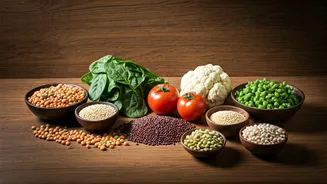
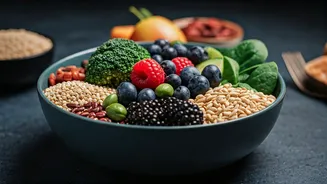
The good news is that a fibre-rich diet is easily accessible within a traditional Indian culinary framework. Many staples are naturally high in this essential nutrient. The recommended daily intake for adults in India is between 25-40 grams, yet many urban dwellers consume only about 15 grams. [2, 4] To bridge this gap, focus on incorporating whole grains like whole-wheat atta for rotis, and millets such as ragi, jowar, and bajra. [4, 6] Legumes are fibre powerhouses; dals, chickpeas (chana), and kidney beans (rajma) should be daily staples. [6, 12] Vegetables like spinach, carrots, and broccoli, and fruits such as guavas, bananas, and apples (with the skin on) are excellent sources. [7, 10] Nuts and seeds also provide a healthy dose of fibre and make for great snacks. [14]
Simple Swaps for a Hectic Schedule
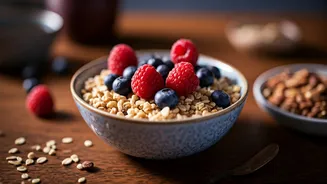
Incorporating more fibre doesn't require a complete dietary overhaul. Small, consistent changes can make a significant difference. Start by swapping refined grains for their whole counterparts: choose brown rice over white rice, and whole-wheat bread for your sandwiches. [11] Add a handful of lentils or sprouts to your salads for extra bulk and nutrition. [15] For breakfast, a bowl of oats or a smoothie with chia seeds can provide a substantial fibre boost to start your day right. [15] Instead of reaching for processed snacks, opt for a piece of fruit, a small portion of roasted chana, or a handful of almonds. [6, 11] Remember to increase your fibre intake gradually and drink plenty of water to help your digestive system adjust. [11]