







The Humidity Hangover
Humidity does more than just make you sweat. When the air is thick with moisture, our body's natural cooling system—perspiration—becomes less effective. This can lead to a feeling of lethargy, bloating, and general discomfort. Our digestive system also
tends to slow down in intense heat and humidity, making heavy, oily, and ultra-processed foods feel like a lead weight in our stomachs. These snacks, often high in sodium, refined flour, and artificial additives, can further contribute to water retention and that puffy, sluggish feeling we all dread during the monsoon or peak summer.
The Gen Z Pivot: From Chips to Chaas
Enter the new generation's food philosophy. For a growing number of young Indians, the solution isn't to power through the discomfort with familiar junk food but to adapt their diet intuitively. This isn't a formal, prescribed 'diet' but a conscious cultural shift. They are swapping out packaged crisps, biscuits, and instant noodles for options that are hydrating, cooling, and easy to digest. This pivot reflects a broader generational focus on wellness, mindful consumption, and a desire for authenticity. They are listening to their bodies, and their bodies are telling them to go light and natural when the weather gets heavy.
Nature’s Pantry: What’s on the Menu?
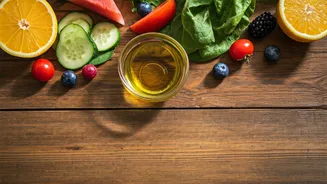
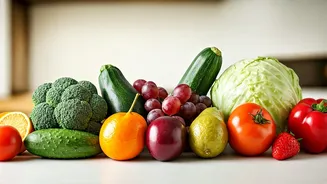
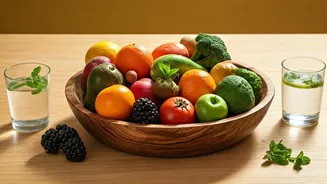
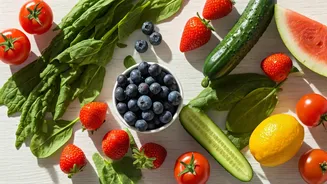
So, what does this 'humid weather diet' look like? It’s a colourful and refreshing spread, often sourced from the local sabziwala rather than a supermarket aisle. At the forefront are high-water-content fruits and vegetables. Think juicy watermelon, cooling muskmelon (kharbuja), and crisp cucumber. These not only hydrate but also provide essential vitamins and electrolytes lost through sweating. Yoghurt and its derivatives, like cooling chaas (buttermilk) and lassi, are staples, prized for their probiotic content which aids digestion. Other favourites include coconut water, lemon and mint-infused water (nimbu pani), and light salads. The emphasis is on foods that are naturally cooling and require minimal effort from the digestive system.
Beyond the Body: A Cultural Statement
This dietary shift is about more than just physical comfort; it's a form of cultural expression. By choosing fresh, local, and minimally processed foods, Gen Z is implicitly rejecting the hyper-industrialised food system their parents may have embraced. It aligns with the global 'clean eating' and wellness aesthetic, popularised on social media, where a vibrant bowl of fruit is more aspirational than a bag of chips. There's also an element of rediscovering traditional wisdom. Grandmothers have long advocated for eating seasonal fruits and drinking buttermilk in the summer; Gen Z is simply rebranding this age-old advice for the Instagram era, viewing it as a sophisticated 'bio-hack' for modern life.
The Digital Dietitian
Social media is the primary engine driving this trend. Platforms like Instagram and TikTok are flooded with visually appealing content showcasing these habits. A 30-second reel can demonstrate how to make a refreshing watermelon-feta salad or a cooling mint drink, making the trend accessible and easy to replicate. Wellness influencers share their 'What I Eat in a Day: Monsoon Edition' videos, providing a template for their followers. This digital ecosystem creates a powerful feedback loop: a young person feels sluggish from the humidity, sees an influencer touting the benefits of cucumber juice, tries it, feels better, and perhaps shares their own experience online. It's a crowd-sourced, digitally native approach to seasonal eating.