




The Trouble with Refined Grains
For decades, staples like polished white rice and maida (refined wheat flour) have been central to Indian diets. However, a growing body of evidence highlights their downsides. The refining process strips away the grain's most nutritious parts—the bran
and the germ—leaving behind mostly starch. This results in a product that is low in essential fibre, vitamins, and minerals. Diets high in these refined carbohydrates are linked to rapid blood sugar spikes, which can contribute to insulin resistance and an increased risk of type 2 diabetes over time. This growing awareness, coupled with rising rates of lifestyle diseases, has prompted many to seek out foods that do more than just fill the stomach.
The Steady Rise of Oats
Once considered a niche breakfast option, oats have become a versatile kitchen staple. Unlike refined flour, oat flour is made from the whole grain, retaining its rich content of protein and fibre. The standout nutrient in oats is a type of soluble fibre called beta-glucan, which is celebrated for its ability to help lower LDL (bad) cholesterol and manage blood sugar levels. This high fibre content also promotes a feeling of fullness, which can aid in weight management by reducing the urge to snack between meals. From traditional upma and dosa to modern smoothies and baked goods, oats are being creatively incorporated into meals throughout the day, offering a nutrient-dense alternative to refined grains.
The Mighty Millet Revival
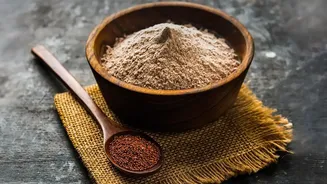
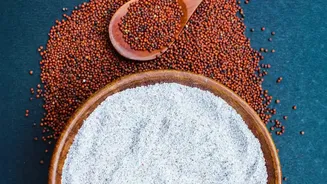
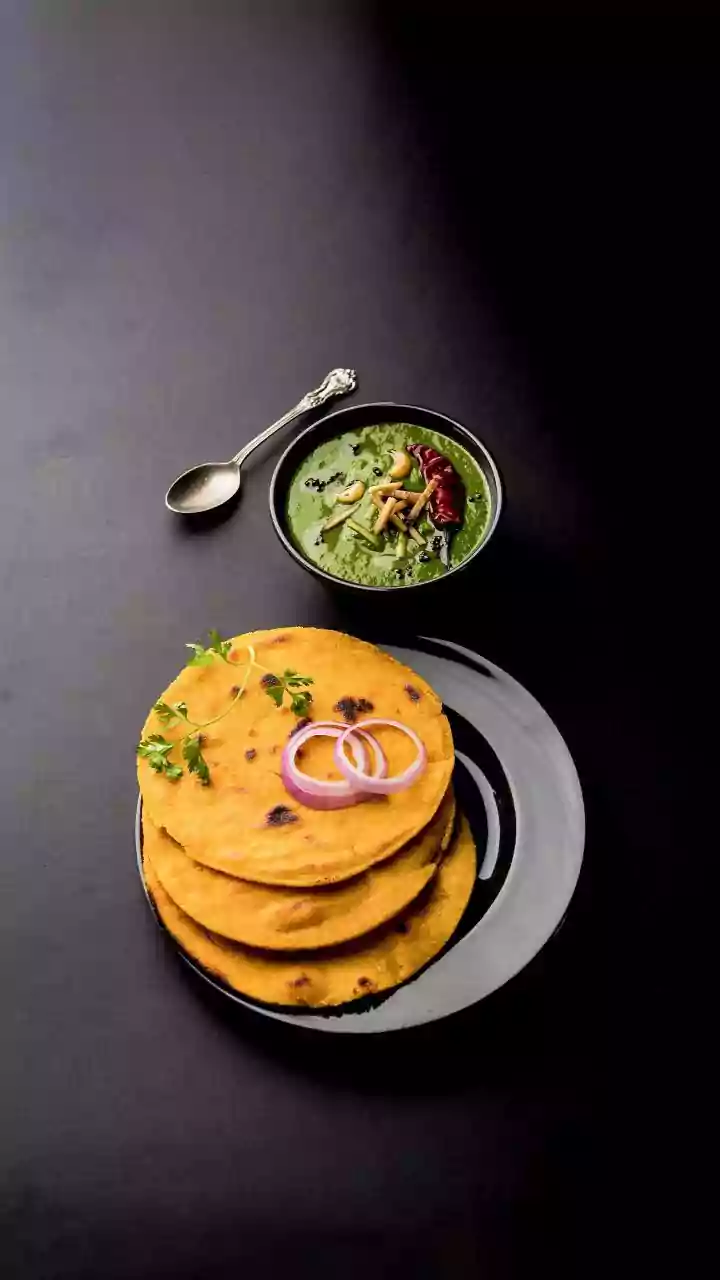
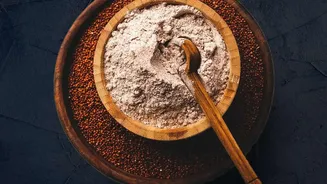
Millets like jowar (sorghum), bajra (pearl millet), and ragi (finger millet) are not new to India; they are ancient grains making a powerful comeback. Spurred by government initiatives and a renewed focus on traditional foods, millets are being recognized for their superior nutritional profile compared to polished rice. They are packed with protein, minerals like iron and calcium, and are exceptionally high in dietary fibre—sometimes containing 30 to 50 times more than white rice. This makes them excellent for digestive health and providing sustained energy. With a naturally low glycemic index, millets release sugar into the bloodstream slowly, making them an ideal grain for managing diabetes and preventing energy crashes.
Makhana: The Guilt-Free Snack
The search for healthier snacks has led to the rediscovery of makhana, or fox nuts. These puffed lotus seeds are emerging as a clear winner when compared to processed snacks like potato chips and biscuits. Makhana is naturally low in calories, fat, and sodium, making it a heart-friendly option. It is rich in protein and fibre, which helps satisfy hunger without the empty calories found in many packaged snacks. Furthermore, makhana has a low glycemic index and is packed with antioxidants and essential minerals like magnesium and potassium. Whether roasted with a pinch of salt or used in curries and desserts, makhana provides a crunchy, satisfying, and nutritious alternative to fried and sugary snacks.