






A New Home After 145 Years
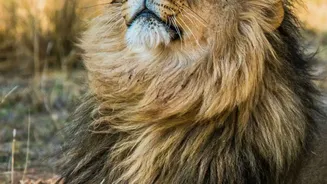
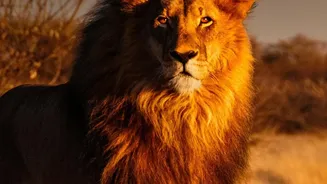
The confirmation of 26 lions in Barda Wildlife Sanctuary is more than just a number; it marks a historic return. Lions had not been a resident species in this landscape for nearly 145 years, with the last records dating back to 1879. The journey to this point
has been a combination of natural dispersal and careful conservation management. It began in January 2023, when a lone male lion naturally migrated from the greater Gir region into Barda, signaling the area's potential. Following this, the Gujarat Forest Department strategically introduced five females to establish a founding population. The recent count, conducted during a full-moon observation exercise, reveals this small group has not only survived but flourished, with the majority of the 26 animals being cubs.
Why Barda Matters for Lion Conservation
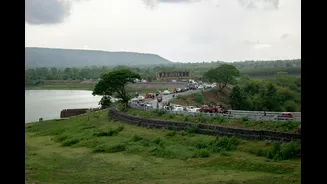
For decades, conservationists have warned of the risks of having the world's entire wild population of Asiatic lions confined to a single area. The Gir forest, while a resounding success story, leaves the species vulnerable to disease outbreaks, natural disasters, or other catastrophes. The establishment of a second, separate population is a critical de-risking strategy. Barda Wildlife Sanctuary, located about 100 kilometres from Gir in the Porbandar and Devbhumi Dwarka districts, was identified as a potential second home as part of 'Project Lion'. The project aims to secure the long-term future of the species by expanding its habitat. The growth of the Barda population is a pivotal step towards fulfilling that goal, offering a buffer and new territory for a species whose numbers have been steadily rising.
Building a Sustainable Habitat
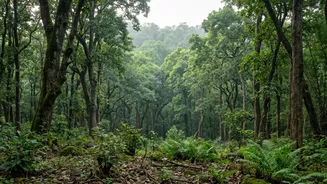
The success in Barda is no accident. It is the result of years of meticulous preparation by the forest department. A key focus has been establishing a robust prey base to sustain the predators. Since 2007, officials have operated breeding centres for spotted deer (chital) and sambar, periodically releasing them into the 192-square-kilometre sanctuary. In 2025-26 alone, 441 chitals were translocated from Gir to Barda to support the growing lion population. This is supplemented by a natural presence of wild boars and blue bulls (nilgai). Studies of the Barda lions confirm their diet heavily relies on wild prey, particularly wild pigs, which is a positive indicator of the sanctuary's ecological health. To ensure the animals' well-being, the forest department has also deployed a team of eight full-time trackers to monitor their health and movements daily.
From 17 to 26 in a Year
The leap from 17 lions in August 2025 to 26 just a year later is a powerful sign of natural growth. A study published in the journal PLOS One in September 2026, which involved radio-collaring six of the initial lions, provided crucial data on how they use the habitat. Researchers tracked over 169,000 GPS locations, finding that the lions established distinct home ranges, preferring mixed forests and grasslands. The successful breeding and survival of cubs indicate that the animals are finding adequate food, water, and safe areas to raise their young. According to a deputy conservator of forests, this natural increase confirms that the habitat is proving highly suitable for the lions.
Challenges and the Road Ahead
Despite the promising start, challenges remain. The proximity of Barda to Gir means it may not be completely immune to the spread of diseases from the main lion landscape. Furthermore, as the lion population grows, ensuring a sufficient prey base and managing human-wildlife interactions will become even more critical. The lions' diet has been found to include some domestic cattle, highlighting the need for proactive conflict mitigation strategies. However, the establishment of this new population opens up opportunities. Located on a popular tourist circuit that includes Dwarka and Somnath, Barda has significant potential for wildlife tourism, which began in 2024 and has already seen a nearly 50% increase in visitors in its second year. This can create livelihood opportunities for local communities, turning them into key partners in conservation.